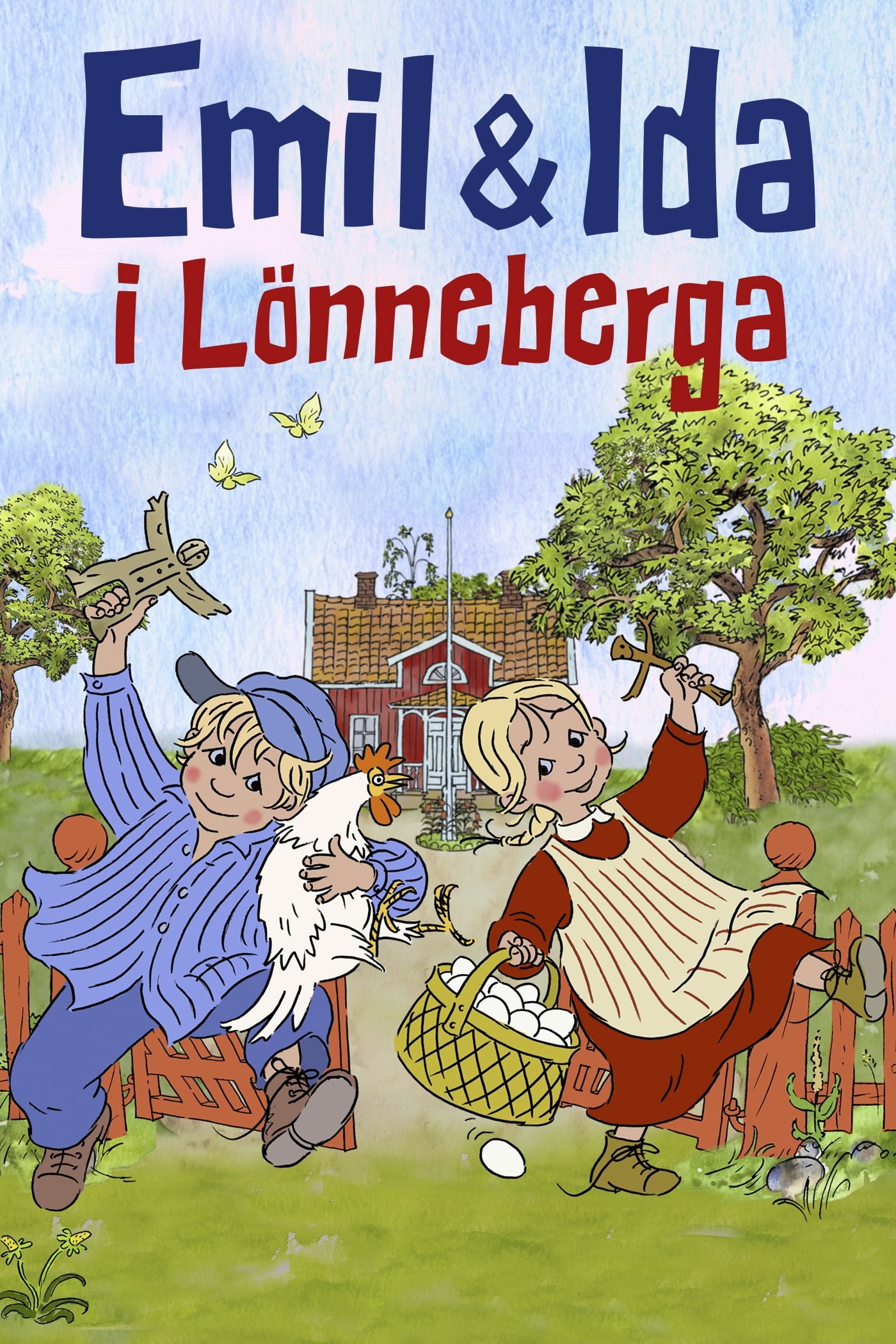
Story Conclusion — The family dynamic remains defined by mischief and discipline. Characters: Emil (voice), Ida (voice)Location: Lönneberga Farm
Story Breakdown
Unintentional Mischief — Emil's pranks stem from good intentions but cause chaos.
Mouse Trap Plan — Emil sets traps to help parents.
Father Caught — Traps accidentally injure the father.
Parental Discipline — The father enforces strict rules through confinement.
Shed Punishment — Emil is locked in the wooden shed.
Household Rules — Father maintains order through consequences.
Creative Solitude — Confinement becomes a space for artistic expression.
Wood Carving — Emil crafts figures during isolation.
Shed Sanctuary — The shed transforms into a workshop.
Sibling Dynamics — Ida and Emil represent contrasting personalities.
Ida's Good Nature — Ida strives to be a well-behaved daughter.
Shed Envy — Ida desires the shed experience but fails.
Rural Setting — The farm environment shapes daily life and events.
Lönneberga Farm — The family resides in a countryside home.
Agricultural Life — Farm chores and routines frame the story.
Character Contrasts — Differences in behavior drive the narrative tension.
Emil's Impulsivity — Emil acts without foreseeing consequences.
Ida's Compliance — Ida carefully avoids angering her father.
‘E-e-emil!’ shouts father across the small farm in Katthult, the boy is up to his old tricks and will have to be banished to the woodshed. Except that Emil doesn’t see this as punishment – on the contrary: he locks the door from inside so that he can continue undisturbed to carve another of his wooden figures, of which he has a whole collection. His little sister Ida also wants to sit inside the shed, but she’s too well-behaved. This new adaptation of Astrid Lindgren’s beloved tales from her book ‘Emil of Lönneberga’ portrays the sunny side of life in the country at the beginning of the twentieth century.