Story Structure — 5 Plot Phases
Origins of Correspondence
The narrative begins with Sylvia Plath's suicide in 1963 and the discovery of her 696 letters, particularly those exchanged with her mother. These documents establish the emotional and historical foundation for the subsequent adaptation.
Key Events
-
Plath's Suicide in 1963 — Sylvia Plath takes her life at thirty, leaving behind extensive correspondence. Characters: Sylvia Plath
Location: London
-
Discovery of 696 Letters — The surviving letters, especially those to her mother, become the foundation for adaptation. Characters: Sylvia Plath
Location: Archive
-
Merle's Stage Adaptation — Françoise Merle stages a two-voice cantata based on the correspondence in 1984.
Location: Théâtre Moderne Paris
Theatrical Adaptation
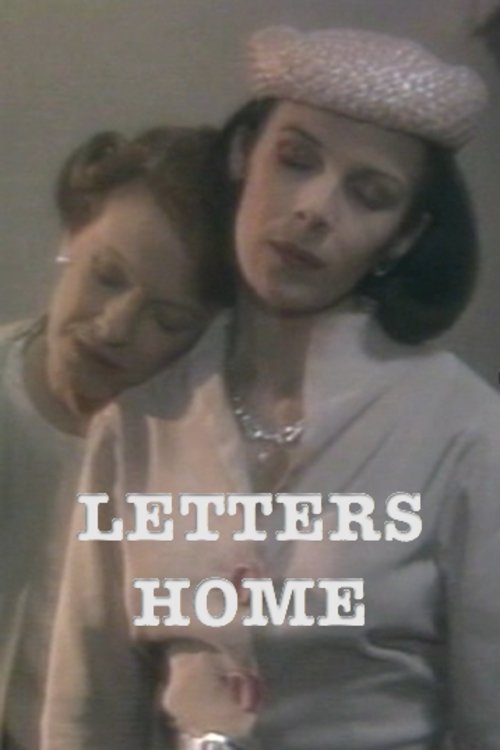
Françoise Merle stages a two-voice cantata in 1984, casting Delphine and Coralie Seyrig as the mother and daughter. The play explores the fragile correspondence through a minimalist single-set design and intense vocal exchanges.
Key Events
-
Merle's Stage Adaptation — Françoise Merle stages a two-voice cantata based on the correspondence in 1984.
Location: Théâtre Moderne Paris
-
Delphine's Initial Refusal — Delphine initially declines the role but eventually accepts the director's request.
Location: Paris
-
Play Staging Begins — Rehearsals commence with a simple single-set design focusing on mother and daughter.
Location: Théâtre Moderne Paris
-
Two-Voice Cantata Performance — Voices blend, respond, separate, and search for each other in the performance. Characters: Sylvia Plath
Location: Stage
-
Akerman's Decision to Film — Inspired by the stage play, Akerman decides to film the text and direction.
Location: Production Office
-
First Collaboration with Atherton — Akerman and Atherton begin their first collaboration, marking a thirty-year partnership.
Location: MC93 Bobigny
-
Spring 1986 Filming — Principal photography takes place at MC93 with a focus on stage placement.
Location: MC93 Bobigny
-
Single Set Design Creation — Designer Jacques Gabel creates a minimalist single-set environment for the play.
Location: MC93 Bobigny
Cinematic Transformation
Chantal Akerman decides to film the stage production, placing the camera directly on stage to visually decompose the performance. She collaborates with Claire Atherton, beginning a decades-long creative partnership.
Key Events
-
Spring 1986 Filming — Principal photography takes place at MC93 with a focus on stage placement.
Location: MC93 Bobigny
-
Camera Placement on Stage — The camera is positioned directly on stage to capture the performance intimately.
Location: MC93 Bobigny
-
Visual Decomposition of Play — Akerman visually breaks down the play, adapting her gaze to the instinctive words.
Location: MC93 Bobigny
-
Mother-Daughter Correspondence Reading — Actors read excerpts highlighting the difficulty of writing and emotional pain. Characters: Sylvia Plath
Location: Stage
-
Emotional Intensity Peaks — The crossing of images and sounds creates an uncontainable emotional surge.
Location: Stage
-
Path to Madness and Death — The narrative traces the fragile path from madness to death guided by correspondence. Characters: Sylvia Plath
Location: Narrative Space
-
Voice Blending and Separation — The vocal performance emphasizes the push and pull between mother and daughter. Characters: Sylvia Plath
Location: Stage
-
Difficulty of Writing Explored — The narrative highlights the struggle and pain inherent in the act of writing. Characters: Sylvia Plath
Location: Narrative Space
Emotional Climax
The crossing of images and sounds reaches an uncontainable emotional peak as the film traces the path from madness to death. The narrative delves into the pain of writing, love, and motherhood.
Key Events
-
Path to Madness and Death — The narrative traces the fragile path from madness to death guided by correspondence. Characters: Sylvia Plath
Location: Narrative Space
-
Words That Hurt and Comfort — The film explores the dual nature of words as both comforting and wounding. Characters: Sylvia Plath
Location: Stage
-
Crossing Images and Sounds — Editing layers visual and auditory elements to amplify emotional resonance.
Location: Editing Room
-
Uncontainable Emotion Emerges — Viewers experience the intense emotional impact of the crossed images and sounds.
Location: Cinema
-
Love and Motherhood Pains — Themes of love, motherhood, and happiness are interwoven with emotional suffering. Characters: Sylvia Plath
Location: Stage
Legacy and Release
The completed film is added to the Musée national d'art moderne collection and later released on DVD. A 2023 podcast explores the making-of, cementing the project's cultural and artistic legacy.
Key Events
-
Uncontainable Emotion Emerges — Viewers experience the intense emotional impact of the crossed images and sounds.
Location: Cinema
-
Museum Collection Inclusion — The video film is added to the museum's New Media collection.
Location: Musée national d'art moderne
-
DVD Publication in 2022 — The film receives its first DVD edition through the media center.
Location: Simone-de-Beauvoir Center
-
2023 Podcast Release — A podcast episode explores the making-of and legacy of the film.
Location: France Culture
-
Final Film Screening — The completed film is screened, concluding the creative journey.
Location: Cinema