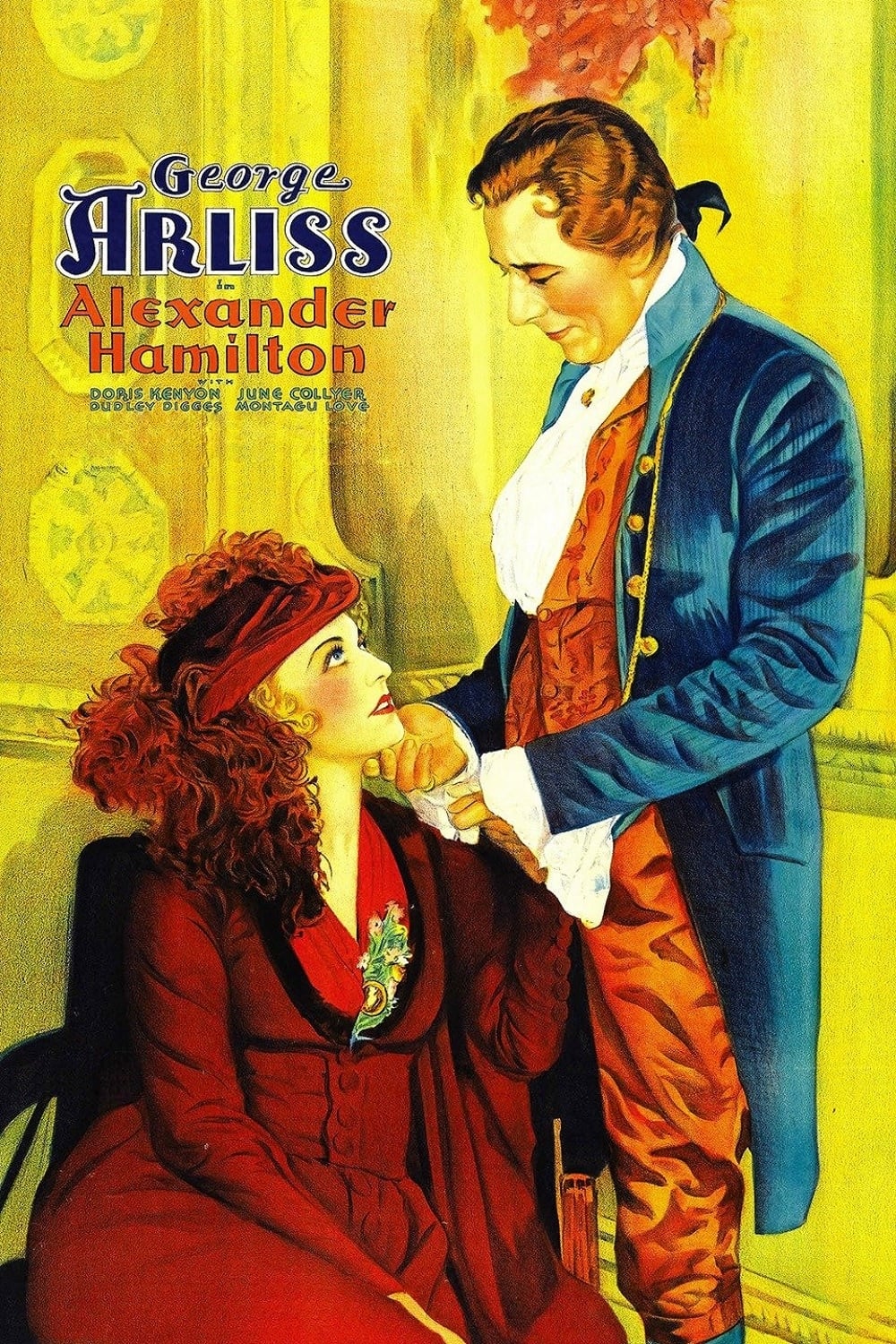
Plot Analysis Summary
A statesman balances national financial policy, political opposition, and personal scandal while defending his integrity.
Story Structure — 5 Plot Phases
A Nation Without Payment
Hamilton worries that the new nation cannot fulfill Washington's promise to pay Revolutionary soldiers. The ratified Constitution and Washington's presidency create the setting for Hamilton's federal financial program.
Key Events
-
Washington's Farewell Address — Hamilton watches Washington promise soldiers payment for their Revolutionary War service. Characters: Alexander Hamilton, George Washington
Location: Near Princeton, New Jersey
-
Hamilton Questions Payment — Hamilton warns Washington that divided state currencies and trade practices may prevent payment. Characters: Alexander Hamilton, George Washington
Location: Near Princeton, New Jersey
-
The Constitution Is Ratified — The ratified Constitution establishes the political setting for the new federal government. Characters: Alexander Hamilton, Thomas Jefferson, James Monroe, George Washington
Location: Philadelphia
-
Hamilton Joins Washington's Cabinet — Washington becomes President and Hamilton serves as Secretary of the Treasury. Characters: Alexander Hamilton, George Washington
Location: Philadelphia
-
Federal Power Debate — Jefferson and Monroe challenge Hamilton's proposals for stronger federal financial authority. Characters: Alexander Hamilton, Thomas Jefferson, James Monroe
Location: Philadelphia government offices
The Federal Power Dispute
As Treasury Secretary, Hamilton faces Jefferson and Monroe over the National Bank and Assumption Bill. Their opposition centers on fear that a strong central government could become monarchic or dictatorial.
Key Events
-
Federal Power Debate — Jefferson and Monroe challenge Hamilton's proposals for stronger federal financial authority. Characters: Alexander Hamilton, Thomas Jefferson, James Monroe
Location: Philadelphia government offices
-
Tavern Political Argument — Political arguments over Hamilton's financial measures continue in a Philadelphia tavern. Characters: Alexander Hamilton, Thomas Jefferson, James Monroe
Location: Philadelphia tavern
-
Jefferson Explains His Motive — Jefferson moderates his criticism and explains his desire for a non-Northern capital. Characters: Thomas Jefferson, James Monroe
Location: Philadelphia tavern
-
Hamilton Shares His Views — Hamilton reflects on his political views while working on his financial legislation. Characters: Alexander Hamilton
Location: Hamilton's Philadelphia home
-
Hamilton Is Left Alone — Hamilton's domestic support is absent, leaving him working alone amid political pressure. Characters: Alexander Hamilton
Location: Philadelphia
The Capital Compromise
Hamilton helps a family seeking unpaid military money and then negotiates with Jefferson and Monroe. He supports a Potomac capital in exchange for support of his financial legislation.
Key Events
-
Hamilton Is Left Alone — Hamilton's domestic support is absent, leaving him working alone amid political pressure. Characters: Alexander Hamilton
Location: Philadelphia
-
Unpaid Soldier Seeks Help — A young mother asks Hamilton for aid because her husband remains unpaid for military service. Characters: Alexander Hamilton
Location: Hamilton's Philadelphia home
-
Residence Bill Negotiation — Hamilton trades support for a Potomac capital for support of his financial legislation. Characters: Alexander Hamilton, Thomas Jefferson, James Monroe
Location: Hamilton's Philadelphia home
-
The Compromise Is Accepted — Jefferson and Monroe accept the compromise and depart. Characters: Alexander Hamilton, Thomas Jefferson, James Monroe
Location: Hamilton's Philadelphia home
-
Hamilton Rejects a Spree — Hamilton decides to remain home rather than go out for the evening. Characters: Alexander Hamilton
Location: Hamilton's Philadelphia home
Private Scandal Exposed
After Hamilton remains home alone, accusations concerning payments to James Reynolds reach him. He admits that the payments arose from blackmail over a private affair.
Key Events
-
Hamilton Rejects a Spree — Hamilton decides to remain home rather than go out for the evening. Characters: Alexander Hamilton
Location: Hamilton's Philadelphia home
-
Reynolds's Financial Demand — Hamilton's private payments to James Reynolds later become connected to a concealed personal scandal. Characters: Alexander Hamilton, James Reynolds
Location: Hamilton's Philadelphia home
-
Accusations Reach Hamilton — Jefferson and Monroe confront Hamilton over payments made to James Reynolds. Characters: Alexander Hamilton, Thomas Jefferson, James Monroe, James Reynolds
Location: Hamilton's home
-
Hamilton Confesses the Affair — Hamilton admits the payments resulted from blackmail over his affair with Reynolds's wife. Characters: Alexander Hamilton, James Reynolds
Location: Hamilton's home
-
The Scandal Reaches Newspapers — News of the scandal and Hamilton's own account are published in newspapers. Characters: Alexander Hamilton, James Reynolds
Location: Philadelphia
Integrity Before Power
The scandal appears likely to destroy Hamilton's office and reputation. Instead, Jefferson reports that Hamilton's bill passed, allowing Hamilton to claim that national credit and honor have been established.
Key Events
-
The Scandal Reaches Newspapers — News of the scandal and Hamilton's own account are published in newspapers. Characters: Alexander Hamilton, James Reynolds
Location: Philadelphia
-
Hamilton Faces Exile — Hamilton expects defeat, resignation, and exile when Jefferson and Monroe arrive with a delegation. Characters: Alexander Hamilton, Thomas Jefferson, James Monroe
Location: Hamilton's house
-
Hamilton's Integrity Prevails — Jefferson informs Hamilton that his bill passed because of Hamilton's demonstrated integrity. Characters: Alexander Hamilton, Thomas Jefferson, James Monroe
Location: Hamilton's house
-
National Honor Restored — Hamilton predicts that national credit, honor, and future prosperity have been secured. Characters: Alexander Hamilton, Thomas Jefferson, James Monroe
Location: Hamilton's house