Plot Analysis Summary
A comprehensive overview of the sitcom's creation, broadcast history, thematic depth, and enduring cultural footprint.
Story Structure — 4 Plot Phases
Origins & Creation
The series is conceived by Johnny Speight and launched as a 1965 pilot, establishing the Garnett family and their East End setting. The initial broadcast introduces the core characters and their distinct socio-political identities.
Key Events
-
1965 Pilot Broadcast — The Comedy Playhouse pilot airs, launching the franchise.
Location: BBC1 Studio
-
Family Dynamics Established — The Garnett household's daily interactions and ideological clashes unfold.
Location: East End Home
-
Alf's Reactionary Views — Alf's racist and anti-socialist perspectives are consistently voiced.
Location: Living Room
-
East End Setting — The working-class environment grounds the family's struggles.
Location: London East End
Peak Run & Ideological Clashes
Seven series air, highlighting the constant political and social friction between Alf Garnett and his son-in-law Mike Rawlins. The narrative thrives on domestic arguments that reflect broader British class and racial tensions of the era.
Key Events
-
Alf's Reactionary Views — Alf's racist and anti-socialist perspectives are consistently voiced.
Location: Living Room
-
Political Clashes with Mike — Frequent arguments erupt over Mike's socialist beliefs.
Location: Kitchen
-
Seven Series Run — The show airs seven successful series between 1966 and 1975.
Location: BBC Studios
-
ITV Continuation — ITV produces six additional episodes under the shortened title.
Location: ITV Studios
-
Social Commentary Theme — The series uses humor to critique racism and class divisions.
Location: Writers Room
-
Actor Portrayals — The cast brings distinct personalities to the Garnett family.
Location: Filming Set
Expansion & International Reach
The franchise expands through ITV continuations, a BBC sequel, and various international adaptations across Europe and America. Producers attempt to localize the format, resulting in both successful broadcasts and untelevised versions.
Key Events
-
ITV Continuation — ITV produces six additional episodes under the shortened title.
Location: ITV Studios
-
Sequel Development — A sequel series focusing on the family's later years is greenlit.
Location: BBC Writers Room
-
German Remake Production — Ein Herz und eine Seele adapts the format for German audiences.
Location: German Studio
-
Dutch Adaptation Attempt — Tot de dood ons scheidt is produced but never broadcast.
Location: Dutch Studio
-
American Inspiration — The concept inspires the creation of All in the Family.
Location: US Network
-
Cross-National Adaptations — Multiple countries attempt to localize the British format.
Location: Various Studios
Legacy & Cultural Impact
Despite archival losses, the show secures a top BFI ranking and cements Alf Garnett as an enduring icon of British television history. The creator's vision and the cast's performances leave a permanent mark on media culture.
Key Events
-
American Inspiration — The concept inspires the creation of All in the Family.
Location: US Network
-
Archival Destruction — Many early episodes are destroyed following BBC archival policies.
Location: Storage Facility
-
BFI Ranking — The show is ranked number 88 on the 100 Greatest British TV Programmes.
Location: British Film Institute
-
Title Origin Explained — The title references the traditional Marriage Liturgy.
Location: Archive
-
Warren Mitchell's Legacy — Mitchell portrays Alf until the creator's death in 1998.
Location: Stage & Screen
-
Cultural Impact Assessment — The character remains a significant reference point in UK culture.
Location: British Society
-
Franchise Conclusion — The original run and sequels conclude, leaving a lasting legacy.
Location: Broadcasting Archives
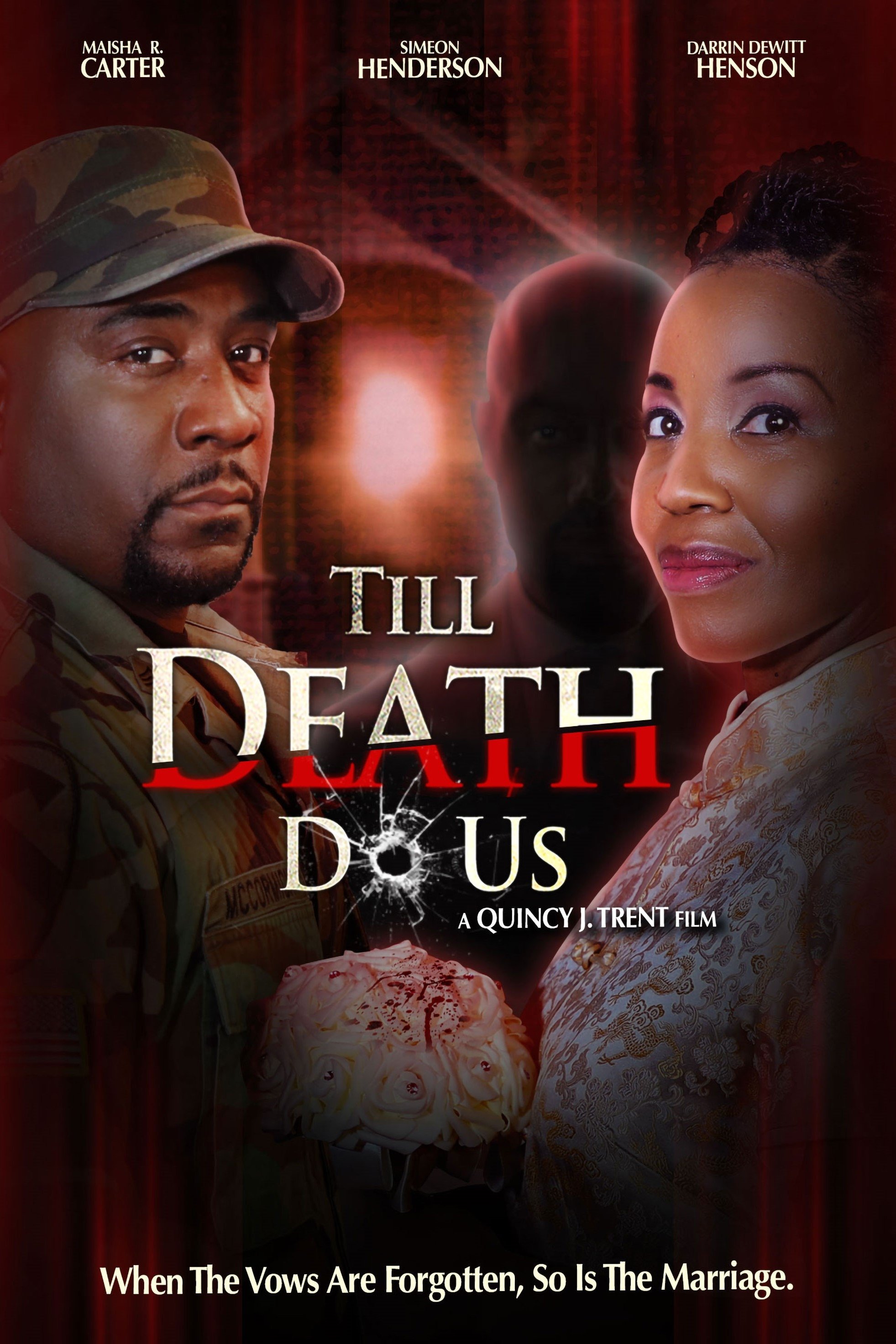
Marcus marries Jessica, who wants a family, but her ex-husband, who was thought dead, suddenly reappears and wants her back. Marcus and Jessica resist, but her ex-husband is willing to risk it all to win them back.