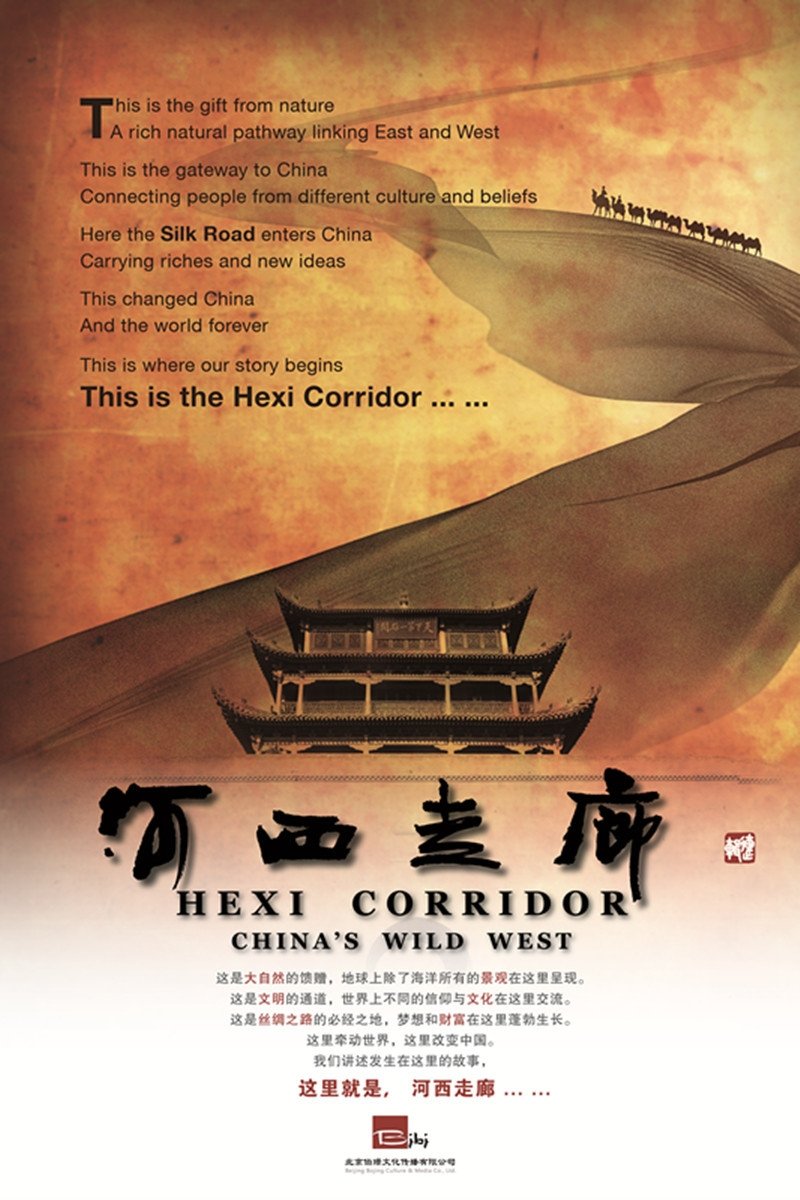
Story Structure — 4 Plot Phases
Ancient Foundations
Establishes the geographical context and early historical significance of the Hexi Corridor during the Han Dynasty.
Key Events
-
Introduction to Hexi Corridor — Establishes geographical context Characters: Narrator
Location: Gansu Province
-
Han Dynasty Significance — Early importance as Silk Road passage Characters: Narrator
Location: Historical Sites
Cultural Crossroads
Explores the corridor's role during the Tang Dynasty and Mongol Empire as a center for cultural exchange and military strategy.
Key Events
-
Tang Dynasty Prosperity — Cultural flourishing in the corridor Characters: Narrator
Location: Historical Sites
-
Mongol Empire Expansion — Strategic importance during conquest Characters: Narrator
Location: Military Campaigns
-
Cultural Exchange — East-West cultural interactions Characters: Narrator
Location: Silk Road
Spiritual and Economic Transformation
Examines the religious development and trade evolution that shaped the corridor's identity through various historical periods.
Key Events
-
Religious Development — Spread of religions through corridor Characters: Narrator
Location: Historical Sites
-
Trade Evolution — Economic transformation over time Characters: Narrator
Location: Silk Road
-
Modern Relevance — Contemporary significance of corridor Characters: Narrator
Location: Gansu Province
Modern Legacy
Connects the historical significance of the Hexi Corridor to its contemporary relevance and continuing importance.
Key Events
-
Modern Relevance — Contemporary significance of corridor Characters: Narrator
Location: Gansu Province
-
Historical Expert Analysis — Scholarly perspectives on corridor Characters: Narrator, Historical Experts
Location: Interview Setting
-
Conclusion — Summary of corridor's historical importance Characters: Narrator
Location: Gansu Province