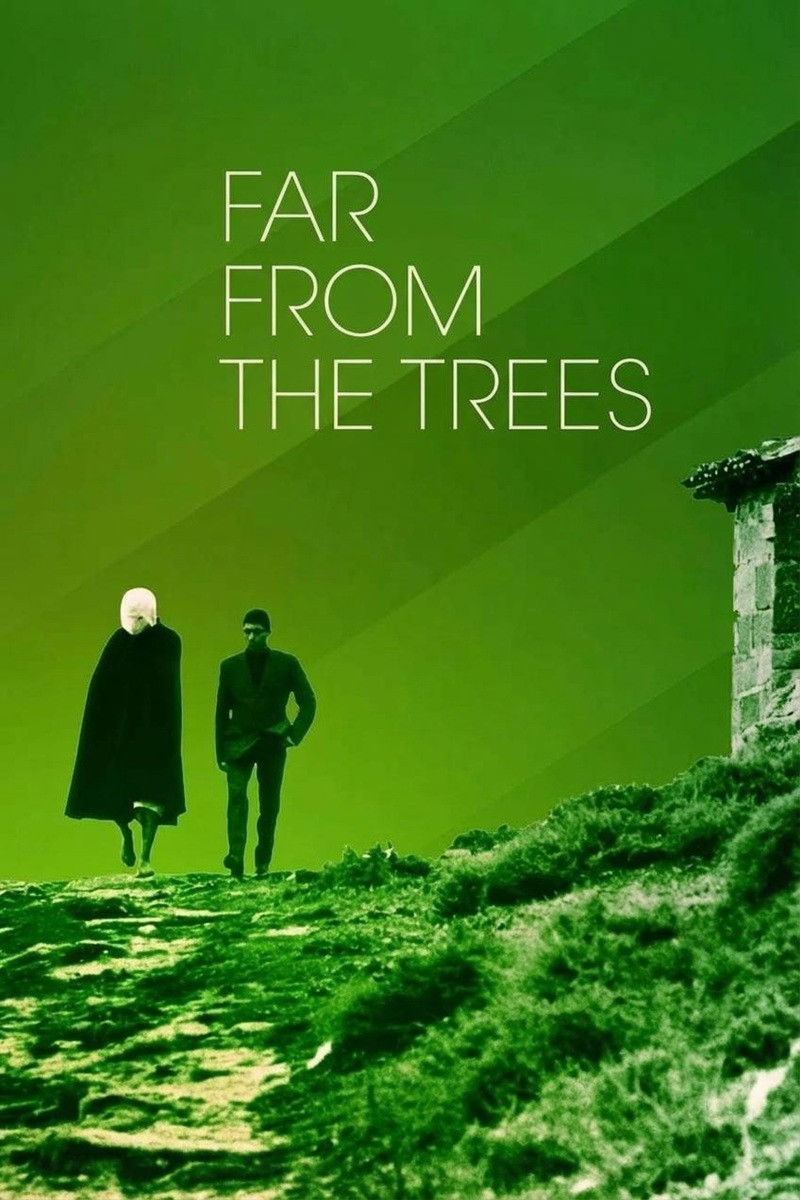
Story Structure — 4 Plot Phases
Travelogue Introduction
The documentary opens with scenic travelogue footage, establishing remote Spanish landscapes and setting a contemplative tone.
Key Events
-
Opening Travelogue — Film begins with scenic travelogue shots.
Location: Rural Spain
-
Landscape Introduction — Establishes remote, isolated settings.
Location: Countryside
-
Poverty Exposure — Reveals severe material deprivation.
Location: Village Homes
-
Daily Struggles — Shows grueling everyday survival efforts.
Location: Fields & Markets
-
Archival Integration — Uses historical footage for context.
Location: Film Reels
-
Economic Disparity — Highlights wealth gap visually.
Location: Agricultural Zones
Exposing Rural Hardship
The narrative shifts to stark depictions of extreme poverty, contrasting rural suffering with official state prosperity claims.
Key Events
-
Daily Struggles — Shows grueling everyday survival efforts.
Location: Fields & Markets
-
Tourist Contrast — Juxtaposes wealth with rural destitution.
Location: Coastal Resorts
-
Modernization Narrative — Presents official state propaganda imagery.
Location: Urban Centers
-
Cultural Preservation — Documents fading traditional lifestyles.
Location: Local Communities
-
Critical Reception — Analyzes academic and public response.
Location: Film Circles
-
Historical Documentation — Serves as vital socio-economic record.
Location: National Archive
Political & Historical Context
The film addresses its 1963 production, nine-year censorship, and explicit protest against Francoist modernization narratives.
Key Events
-
Political Protest — Explicitly challenges Francoist narratives.
Location: Documentary Frame
-
1963 Filming Context — Details original shooting period.
Location: Production Archive
-
Censorship Delay — Nine-year suppression before release.
Location: State Archives
-
Historical Documentation — Serves as vital socio-economic record.
Location: National Archive
-
Visual Metaphors — Employs symbolic imagery throughout.
Location: Cinematic Frame
-
Sound Design — Uses ambient noise for realism.
Location: Audio Track
Legacy & Critical Reflection
The conclusion examines the 1972 release, cinematic comparisons to Buñuel, and the documentary's enduring socio-political impact.
Key Events
-
Censorship Delay — Nine-year suppression before release.
Location: State Archives
-
1972 Release — Film finally reaches public audiences.
Location: Cinema Theaters
-
Buñuel Comparison — Links work to surrealist documentary tradition.
Location: Critical Analysis
-
Final Reflection — Concludes with lingering visual metaphors.
Location: Landscape Vista
-
Audience Impact — Sparks national conversation on poverty.
Location: Public Sphere
An unprejudiced portrait of Spanish folklore and a crude analysis in black and white of its intimate relationship with atavism and superstition, with violence and pain, with blood and death; a story of terror, a journey to the most sinister and ancestral Spain; the one that lived far from the most visited tourist destinations, from the economic miracle and unstoppable progress, relentlessly promoted by the Franco regime during the sixties.