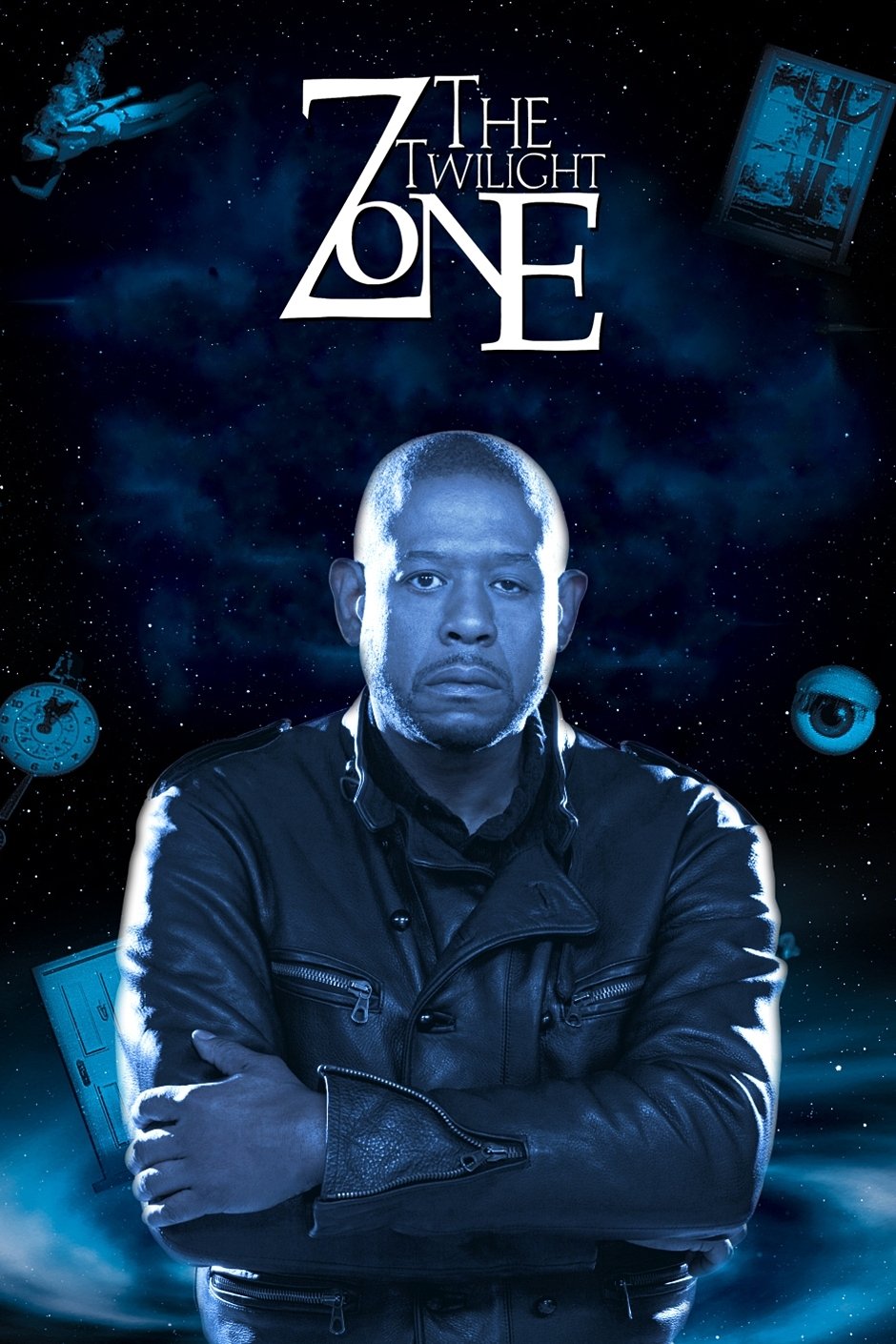
The Twilight Zone (2002) interactive character relationship network and AI-powered story timeline. Explore the connections, alliances, and conflicts between characters across the narrative arc.
Overall narrative architecture across all 1 seasons
"Both appear as cameo roles in separate standalone episodes. The anthology format prevents direct interaction or relationship development."
"Both appear as cameo roles in separate standalone episodes. The anthology format prevents direct interaction or relationship development."
"Both appear as cameo roles in separate standalone episodes. The anthology format prevents direct interaction or relationship development."
"Both appear as cameo roles in separate standalone episodes. The anthology format prevents direct interaction or relationship development."
"Both appear as cameo roles in separate standalone episodes. The anthology format prevents direct interaction or relationship development."
"Both appear as cameo roles in separate standalone episodes. The anthology format prevents direct interaction or relationship development."
"Both appear as cameo roles in separate standalone episodes. The anthology format prevents direct interaction or relationship development."
"Both appear as cameo roles in separate standalone episodes. The anthology format prevents direct interaction or relationship development."
Rating: 7.2/10 (124 votes)
The season opens with tales of suburban control, supernatural bargains, and psychological transformations. Characters confront guilt, reality blurring, and childhood regression, establishing a tone of mystery and unease.
Narratives shift toward isolation, time manipulation, and moral dilemmas. Survivors of catastrophe, doctors caught in plots, and men burdened with foresight explore the consequences of power and loneliness.
The anthology delves into paranoia, addiction, and temporal displacement. Hitchhikers, slot machines, and time travelers highlight human vulnerability, while space exploration and doppelgangers introduce existential dread.
Stakes escalate with themes of destiny, crime, and survival. Predictors, stalkers, and time-jumping outlaws face irreversible consequences, while gambling and street art reveal the inescapability of fate.
The season concludes with high-stakes interventions and reflective endings. Teachers foresee death, executives escape to dreams, and historical figures are altered, leaving a lingering sense of melancholic resolution.
Plot analysis generated from content on Wikipedia, licensed under CC BY-SA 4.0.
Related entry on Wikidata (Q1581244), public domain (CC0).