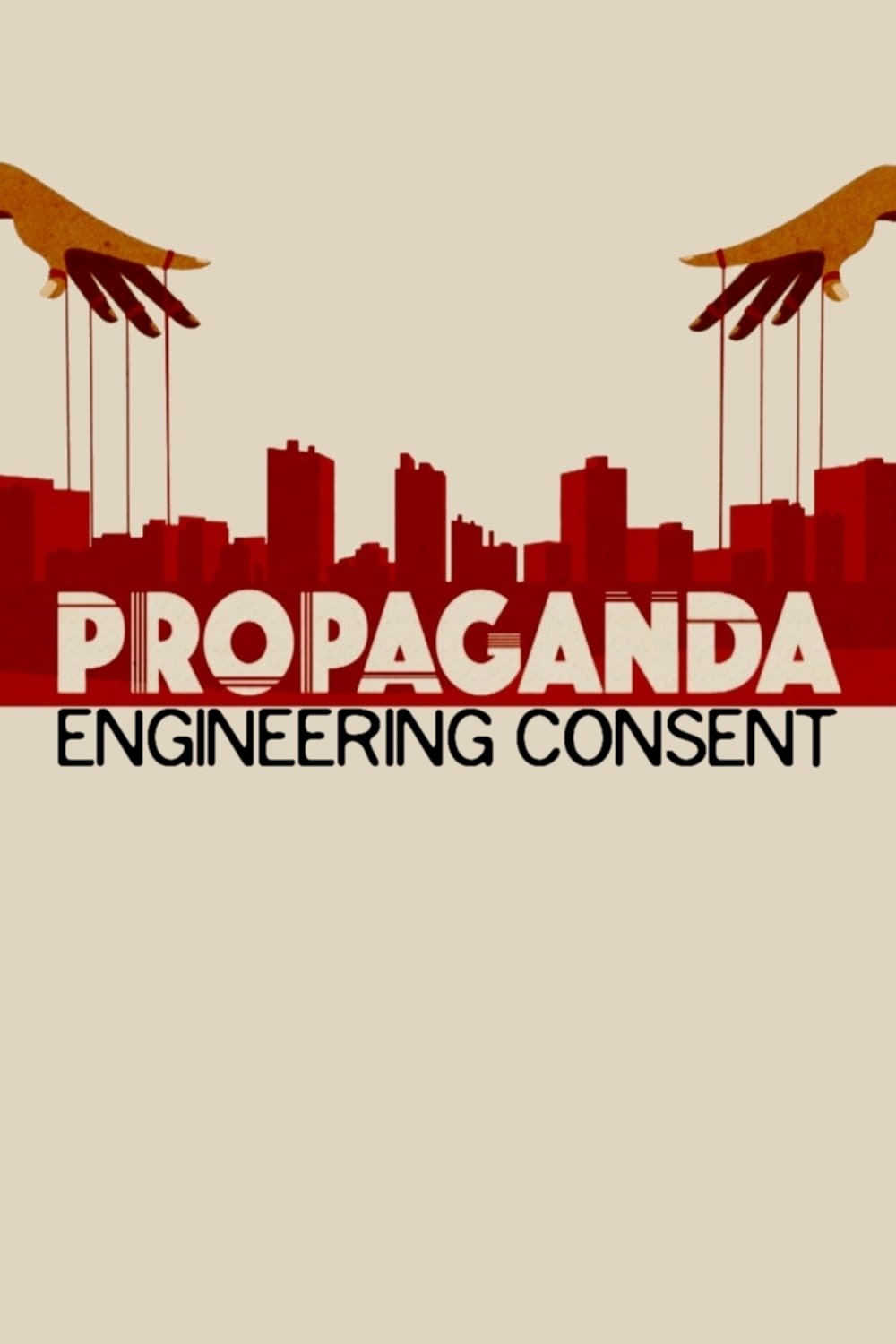
Plot Analysis Summary
The documentary traces how organized persuasion moves from wartime mobilization into consumer culture, political control, and corporate conflict.
Story Structure — 5 Plot Phases
Persuasion Takes Command
The documentary introduces persuasion as a modern alternative to overt political force. It traces how wartime campaigns and public relations began shaping mass behavior.
Key Events
-
Persuasion Replaces Force — The documentary presents persuasion as an alternative to overt authoritarian force.
Location: United States
-
Mass Opinion Takes Shape — Powerful institutions are shown shaping mass behavior through organized persuasion.
Location: Western democracies
-
Wartime Persuasion Campaign — A government campaign uses advertising and entertainment to build support for war.
Location: United States
-
Neutrality Gives Way — The campaign persuades Americans to support war despite an earlier promise of neutrality.
Location: United States
-
Business Adopts Persuasion — Business leaders recognize that persuasion could weaken labor demands and promote capitalism.
Location: United States
-
Public Relations Practice — A former campaign organizer establishes a practice advising clients on public influence.
Location: United States
Selling Desire
Persuasion moves into commercial life through tobacco promotion and changing consumer habits. Public relations also helps recast industrialists and formalize methods for controlling opinion.
Key Events
-
Public Relations Practice — A former campaign organizer establishes a practice advising clients on public influence.
Location: United States
-
Managing Public Opinion — The practice draws on theories of managing public opinion for institutional clients.
Location: United States
-
Tobacco Faces Social Taboo — A tobacco company seeks to overcome the social taboo against women smoking.
Location: United States
-
Easter Parade Campaign — A consultant plans a campaign around New York's Easter Parade.
Location: New York
-
Buying Habits Change — Public relations helps alter consumer buying habits and commercial expectations.
Location: United States
-
Industrialists Recast — Public-relations methods help reshape the public image of industrialists.
Location: United States
-
Mass Opinion Explained — A book explains how mass opinion can be controlled within a democracy.
Location: United States
Competing Americas
The film contrasts government images of Depression suffering with manufacturers' idealized vision of consumer prosperity. These competing portrayals reveal persuasion as a struggle over social reality.
Key Events
-
Mass Opinion Explained — A book explains how mass opinion can be controlled within a democracy.
Location: United States
-
Depression Revealed — Government photographs and writing expose the human consequences of the Great Depression.
Location: United States
-
Prosperity Is Marketed — Manufacturers promote an idealized consumer society, including material aimed at children.
Location: United States
-
Postwar Strikes Alarm Industry — Mass strikes after the war alarm industrialists and intensify political pressure.
Location: United States
Fear And Social Control
Postwar strikes alarm industrialists, who seek restrictions on unions and the right to strike. Public-relations campaigns portray protesters as enemies while fear of Russia grows.
Key Events
-
Postwar Strikes Alarm Industry — Mass strikes after the war alarm industrialists and intensify political pressure.
Location: United States
-
Unions Face Restrictions — Industrialists press the new president to restrict unions and the right to strike.
Location: United States
-
Protesters Become Enemies — Campaigns portray protesters as enemies of American values.
Location: United States
-
Fear Of Russia Intensifies — Fear of a possible conflict with Russia increases the force of political persuasion.
Location: United States
Reform Meets Corporate Power
The final section introduces land redistribution in Guatemala and its conflict with an American fruit company's interests. The supplied excerpt ends before revealing the outcome.
Key Events
-
Guatemalan Reform Begins — A democratically elected president begins redistributing uncultivated land to poor farmers.
Location: Guatemala
-
Corporate Conflict Emerges — Land redistribution conflicts with the interests of a powerful American fruit company.
Location: Guatemala