Story Structure — 4 Plot Phases
Studio Genesis
The creation and introduction of the anthropomorphic characters and their world.
Key Events
-
Series Premiere — First episode of Téléchat airs Characters: Groucha, Lola, Durallô, Micmac
Location: TV Studio
-
Anthropomorphic Introduction — Characters reveal their anthropomorphic nature Characters: Groucha, Lola, Durallô, Micmac
Location: TV Studio
-
News Broadcast Parody — First parody of traditional news broadcasting Characters: Groucha, Lola, Durallô
Location: News Desk
Satirical Evolution
The development of the news parody format and the introduction of talking objects.
Key Events
-
News Broadcast Parody — First parody of traditional news broadcasting Characters: Groucha, Lola, Durallô
Location: News Desk
-
Studio Objects Come Alive — Inanimate objects reveal ability to speak Characters: Groucha, Lola, Micmac, Durallô
Location: TV Studio
-
Satire Escalation — Satire of news broadcasting becomes more pointed Characters: Groucha, Lola, Durallô
Location: News Desk
Recognition and Expansion
The series receives awards and begins international broadcasts.
Key Events
-
Award Recognition — Series receives first major award Characters: Groucha, Lola, Grégoire de la Tour d'Ivoire
Location: Award Ceremony
-
International Broadcast — Series begins airing in UK as Telecat Characters: Groucha, Lola, Grégoire de la Tour d'Ivoire
Location: Broadcast Center
Farewell Broadcast
The conclusion of the original series and its legacy.
Key Events
-
International Broadcast — Series begins airing in UK as Telecat Characters: Groucha, Lola, Grégoire de la Tour d'Ivoire
Location: Broadcast Center
-
Series Finale — Last episode of original series airs Characters: Groucha, Lola, Durallô, Micmac, Grégoire de la Tour d'Ivoire
Location: TV Studio
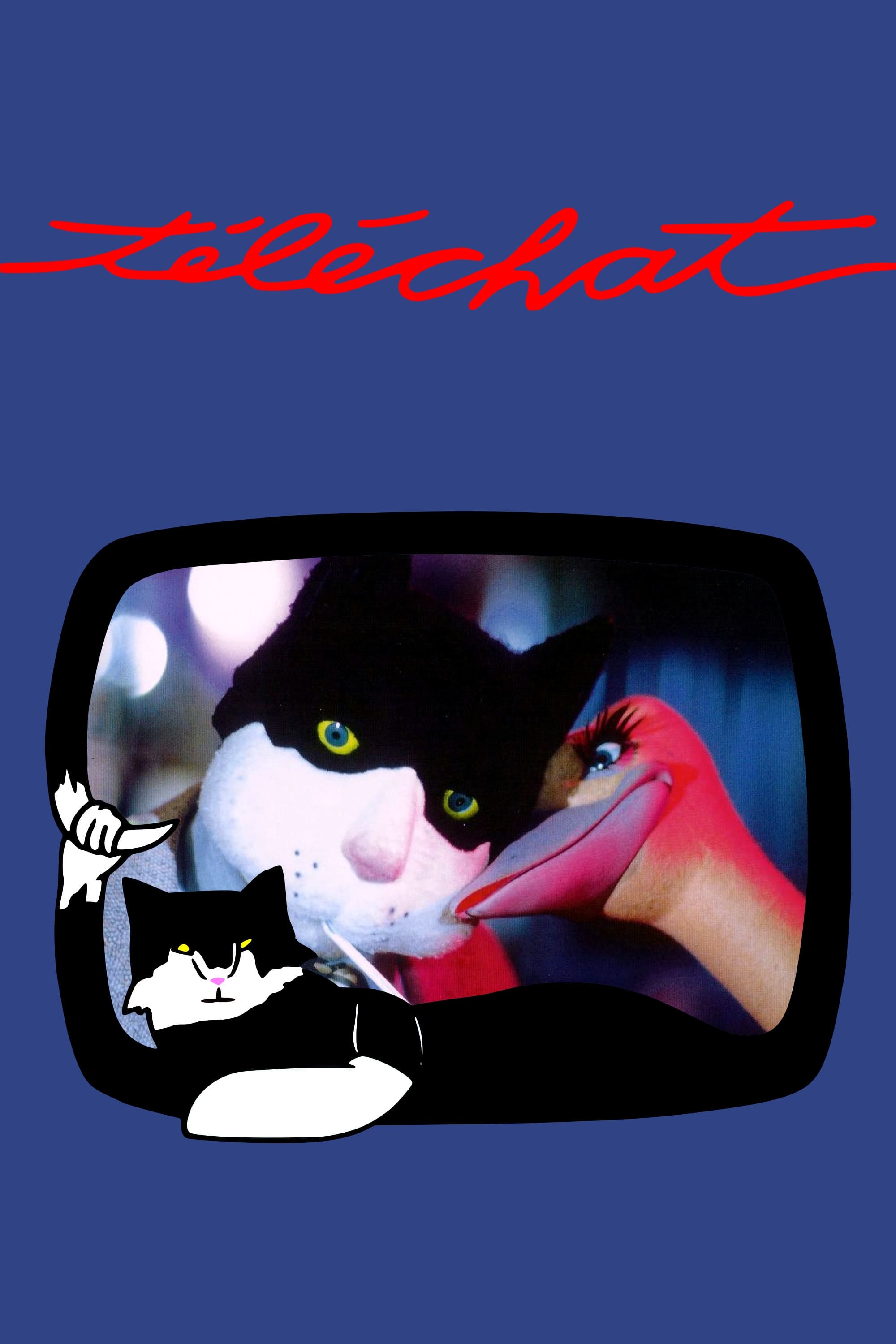
Created by French surrealist artist Roland Topor and director Henri Xhonneux, Telecat is a news show parody hosted by a tomcat named Groucha (who always had his arm in plaster) and an ostrich named Lola. It featured a variety of sentient objects and revolved around the idea that the real-life elementary particles known as gluons were “the souls of objects”.