Developer Autonomy Push — Younger staff resist top-down control to preserve vision.
Location: Creative Studio
Sonic vs Mario Comparison — Direct head-to-head analysis of both franchises.
Location: Marketing Room
Legacy and Reflection
The rivalry peaks in the market, followed by historical analysis and employee testimonies that define the era's impact.
Key Events
Sonic vs Mario Comparison — Direct head-to-head analysis of both franchises.
Location: Marketing Room
Launch Strategy Finalization — Final preparations for the console release.
Location: Conference Hall
Market Competition Peak — Intense rivalry reaches its highest point in consumer markets.
Location: Retail Landscape
Cultural Impact Assessment — Evaluation of how the rivalry shaped gaming history.
Location: Industry Review
Employee Testimony Session — Former staff share personal accounts of the corporate struggle.
Location: Interview Studio
Legacy of American Innovation — Reflection on how US-driven tactics disrupted traditional models.
Location: Documentary Archive
Japanese Tradition Endurance — Analysis of Nintendo's long-standing cultural resilience.
Location: Corporate History
Generational Shift in Gaming — Observation of how the conflict accelerated industry evolution.
Location: Industry Timeline
Product Launch Execution — Final rollout of the competing hardware.
Location: Distribution Network
Consumer Reception Analysis — Review of player responses and sales figures.
Location: Market Data
Documentary Conclusion — Synthesis of the era's defining corporate battle.
Location: Final Credits
Story Breakdown
Corporate Rivalry Setup — Introduction to the competitive landscape and initial strategic moves.
SEGA Assembly — Formation of the challenge team.
Nintendo Dominance — Establishment of the market leader's position.
Internal Faction Dynamics — Conflicts arising from differing corporate philosophies.
Youth vs Veterans — Generational clash in decision-making.
Creative Autonomy — Pushback against executive oversight.
Creative Development Process — The technical and artistic race to produce a flagship character.
Sonic Creation — Design and programming milestones.
Mario Benchmarking — Direct comparison and strategic positioning.
Cultural Philosophy Clash — Broader themes of business models and national identity.
American Capitalism — Aggressive market tactics and innovation.
Japanese Tradition — Long-term corporate heritage and stability.
Market Competition Escalation — The public and retail battle reaching its peak.
Launch Execution — Final distribution and marketing rollout.
Consumer Reception — Sales data and player feedback analysis.
Historical Legacy Analysis — Post-conflict evaluation and documentary reflections.
Industry Evolution — Long-term impact on gaming standards.
Employee Testimonies — Firsthand accounts of the corporate struggle.
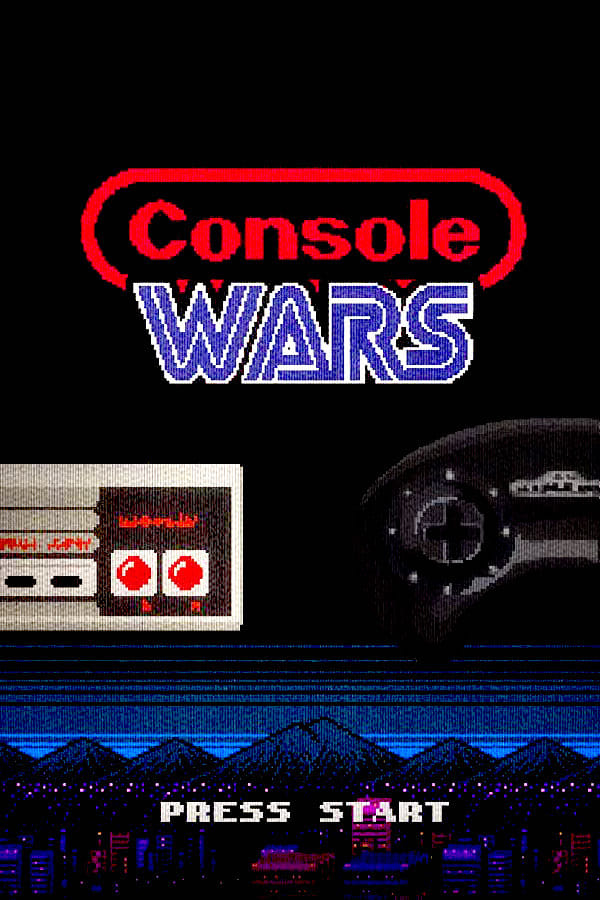
In 1990, SEGA, a fledgling arcade company assembled a team of misfits to take on the greatest video game company in the world, Nintendo. It was a once-in-a-lifetime, no-holds-barred conflict that pit brother against brother, kids against grownups, Sonic against Mario, and uniquely American capitalism against centuries-old Japanese tradition. For the first time ever, the men and women who fought on the front lines for Sega and Nintendo discuss this battle that defined a generation.