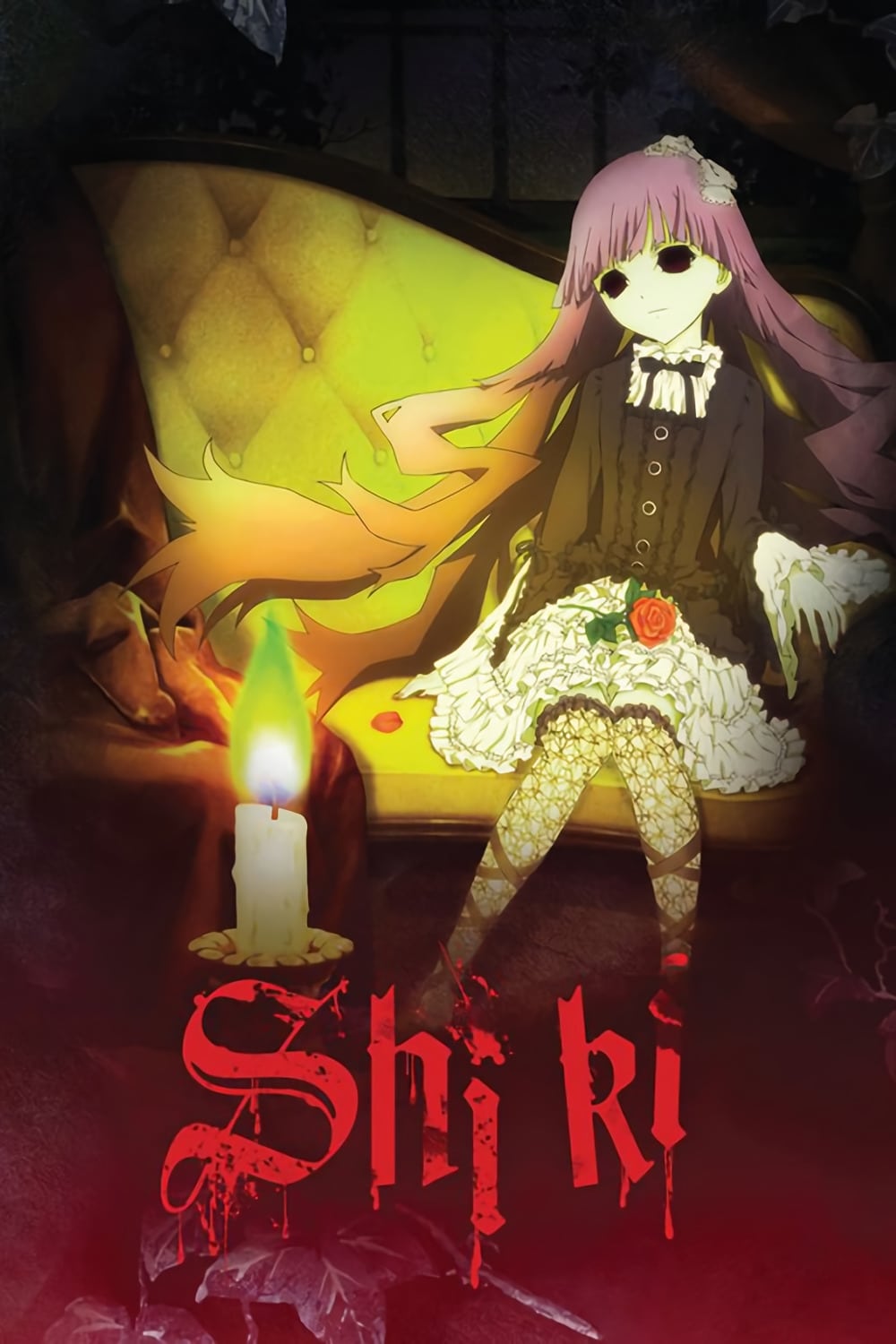
Shiki (2010) character relationship network mapped with AI analysis. Explore the connections, alliances, and conflicts between characters.
Characters
Tatsumi
(played by Wataru Takagi) — protagonist
Megumi Shimizu
(played by Haruka Tomatsu) — supporting
A young girl who wanted to leave the village for the city. She visits the mysterious family at the abandoned mansion, disappears, and is later found dead in the forest.
Seishin Muroi
(played by Kazuyuki Okitsu) — supporting
Toshio Ozaki
(played by Toru Okawa) — minor
Director of Sotoba's only hospital. He initially suspects an epidemic among the villagers but eventually becomes convinced that the mysterious deaths are caused by vampire-like creatures.
Ritsuko Kunihiro
(played by Nozomi Sasaki) — minor
Canonical Relationships
Family, romantic, and professional connections based on plot evidence.
Tatsumi → Megumi Shimizu
(Controller and subordinate) — Tatsumi exercises coercive authority over Megumi, limiting her freedom even when she wants to act on her own emotions.
"Tatsumi tells Megumi that Natsuno must be eliminated, threatens to purge her if she disobeys, and controls her actions within the shiki hierarchy."
Toshio Ozaki → Ritsuko Kunihiro
(Medical colleagues) — Ritsuko supports Toshio's medical investigation and helps sustain his defensive work at the clinic.
"Ritsuko works as a nurse at Toshio's hospital and later brings food to Toshio and Seishin while they guard the clinic."
Toshio Ozaki → Megumi Shimizu
(Doctor and patient) — Toshio's medical investigation of Megumi's death becomes an early entry point into the supernatural crisis.
"Toshio is shocked by Megumi's death, investigates the unusual anemia, and later confirms that the attacks involve revived victims."
Story Dynamics
Alliances, conflicts, and narrative interactions that evolve throughout the story.
Toshio Ozaki → Seishin Muroi
(Close friendship) — Their long friendship is tested when Toshio adopts increasingly ruthless measures against the shiki while Seishin struggles with their moral implications.
"They are described as best friends, work together to monitor attacks, and later argue over the ethics of staking corpses."
Tatsumi → Seishin Muroi
(Uneasy collaborators) — They cooperate during the final attempt to protect the shiki leadership, despite Seishin's continuing spiritual and ethical conflict.
"Tatsumi and Seishin execute a plan to save Sunako, although Seishin later hides at the temple and escapes with her."
Toshio Ozaki → Tatsumi
(Human and shiki adversaries) — Their opposing roles represent the organized human response against the shiki's coordinated expansion.
"Tatsumi is involved in the attack on Toshio's clinic, while Toshio organizes resistance, explains the shiki's weaknesses, and leads the hunt."
Story Analysis
The single-season narrative moves from unexplained medical deaths to supernatural revelation, moral division, organized violence, and the destruction of Sotoba.
Plot Progression
Season 1: Quiet Deaths
— A series of strange deaths unsettles Sotoba while Toshio investigates the medical pattern. The arrival of the mansion's occupants adds an unexplained source of unease.
Season 1: The Dead Return
— The deaths spread through the community and personal losses make the crisis impossible to ignore. The discovery of an empty coffin confirms that the dead may be active again.
Season 1: Divided Responses
— Toshio and Seishin work together to protect the clinic while disagreeing about the nature of the threat. Tatsumi directs attacks that reveal the shiki's organized power.
Season 1: Moral Collapse
— The attacks reach Toshio's family, forcing him to adopt drastic countermeasures. Seishin withdraws as the conflict becomes a question of ethics as well as survival.
Season 1: Burning Sotoba
— The villagers launch a full purge against the shiki, turning the town into a battlefield. Fire destroys Sotoba and leaves the surviving characters divided between human victory and moral devastation.