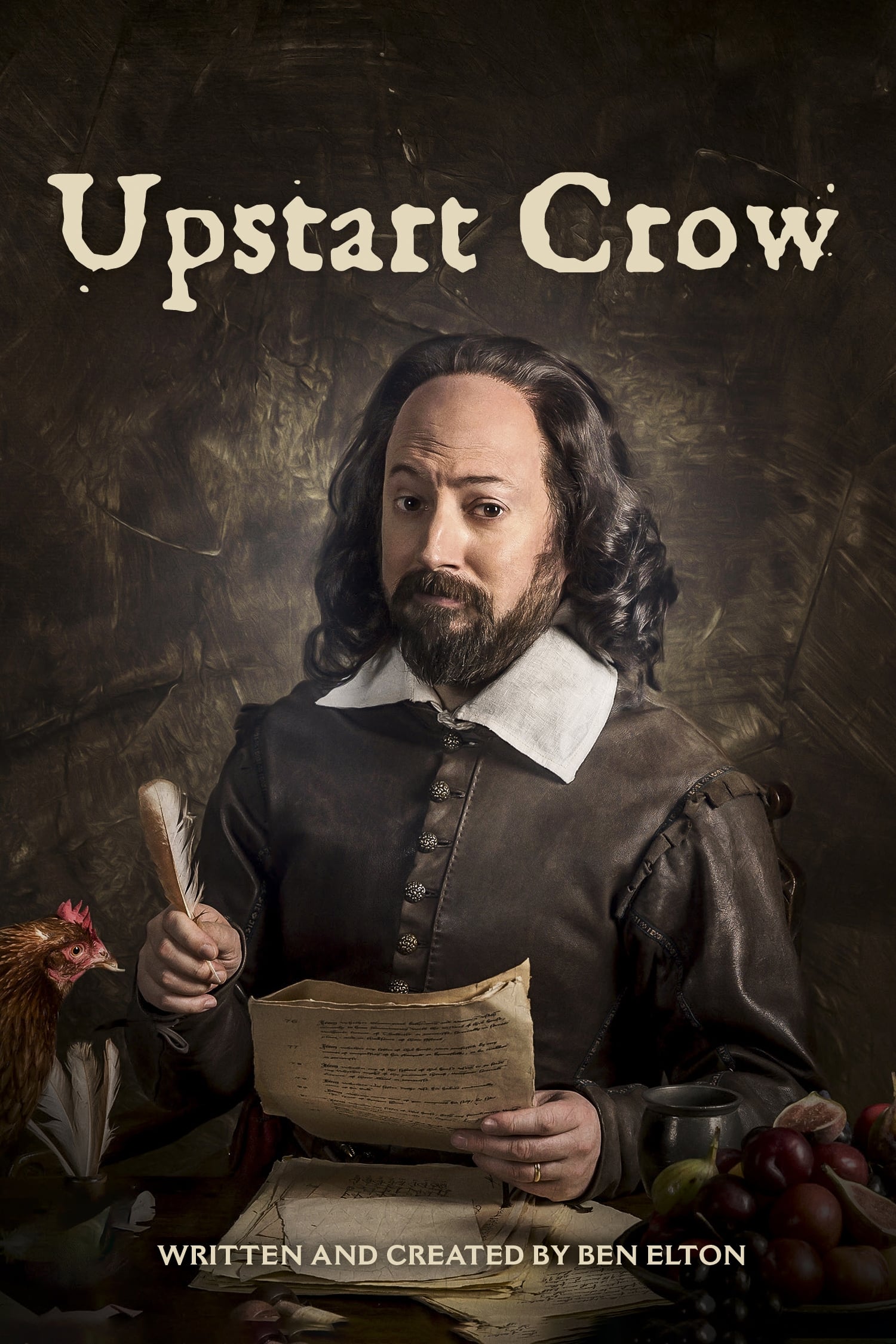
Upstart Crow (2016) character relationship network mapped with AI analysis. Explore the connections, alliances, and conflicts between characters.
Characters
Kate
(played by Gemma Whelan) — minor
Kate is the landlady’s daughter whose ambition to become an actress is repeatedly treated with casual sexism. Her efforts form a running gag connected to Will Shakespeare’s theatrical world, and the 2...
Burbage
(played by Steve Speirs) — minor
Condell
(played by Dominic Coleman) — cameo
Marlowe
(played by Tim Downie) — cameo
Canonical Relationships
Family, romantic, and professional connections based on plot evidence.
Burbage → Marlowe
(Theatrical associates) — The available evidence supports a shared professional environment, but not a close personal bond.
"Burbage is part of the acting company while Marlowe is repeatedly involved in the period's theatrical and literary business."
Story Dynamics
Alliances, conflicts, and narrative interactions that evolve throughout the story.
Burbage → Condell
(Rival performers) — Their shared profession turns into direct rivalry as both seek greater influence and visibility on stage.
"In Season 3, Condell turns against Burbage for hogging the limelight, creating a period of betrayal at the theatre."
Kate → Marlowe
(Companions with friction) — They share sustained personal proximity, but their companionship is expressed through argument and comic friction.
"In Season 3, Kate and Marlowe stay at Will's house, where their constant bickering leads Will to suspect that love may be involved."
Kate → Condell
(Theatrical role rivalry) — Condell's struggle for control over female roles contributes to the obstacles surrounding Kate's personal and professional choices.
"In Season 3, Will plots to remove Condell from female roles, while Condell's theatrical maneuvering affects Kate's chance to pursue a relationship wi...
Kate → Burbage
(Casting opposition) — Their competing claims represent the tension between established male casting and Kate's forbidden ambition.
"Burbage sees himself in a young lover role, while Kate wants the opportunity to act as Juliet, but women are barred from the stage."
Story Analysis
Across three seasons, theatrical invention expands into a broader struggle over authorship, social legitimacy, performance, gender, intimacy, and family cost.
Plot Progression
Season 1: Ambition and Authorship
— The first season establishes the theatrical world through unfinished plays, disputed manuscripts, and Kate's desire to perform. Professional ambition repeatedly collides with deception and social limi...
Season 1: Plague and Investment
— Plague forces a movement away from London, where uncanny predictions complicate the creative struggle. The season closes with competing visions of theatrical investment and survival.
Season 2: Status and Memory
— Season 2 expands the pressure from artistic success to social legitimacy and the burdens of the past. Marlowe's investigations and the return of an earlier authority add instability.
Season 2: Form and Resistance
— New theatrical experiments turn implausible stories into musical spectacle, while the treatment of strong-minded women provokes resistance. Kate's perspective increasingly challenges the assumptions b...
Season 3: Love and Reputation
— Season 3 brings theatrical success into conflict with romance, marriage expectations, and dangerous questions of authorship. Kate and Marlowe become more closely associated through domestic proximity...
Season 3: Betrayal and Loss
— The final movement centers on staged danger, performer rivalries, and the struggle for control over roles. Public recognition is overshadowed by the approach of a personal family tragedy.