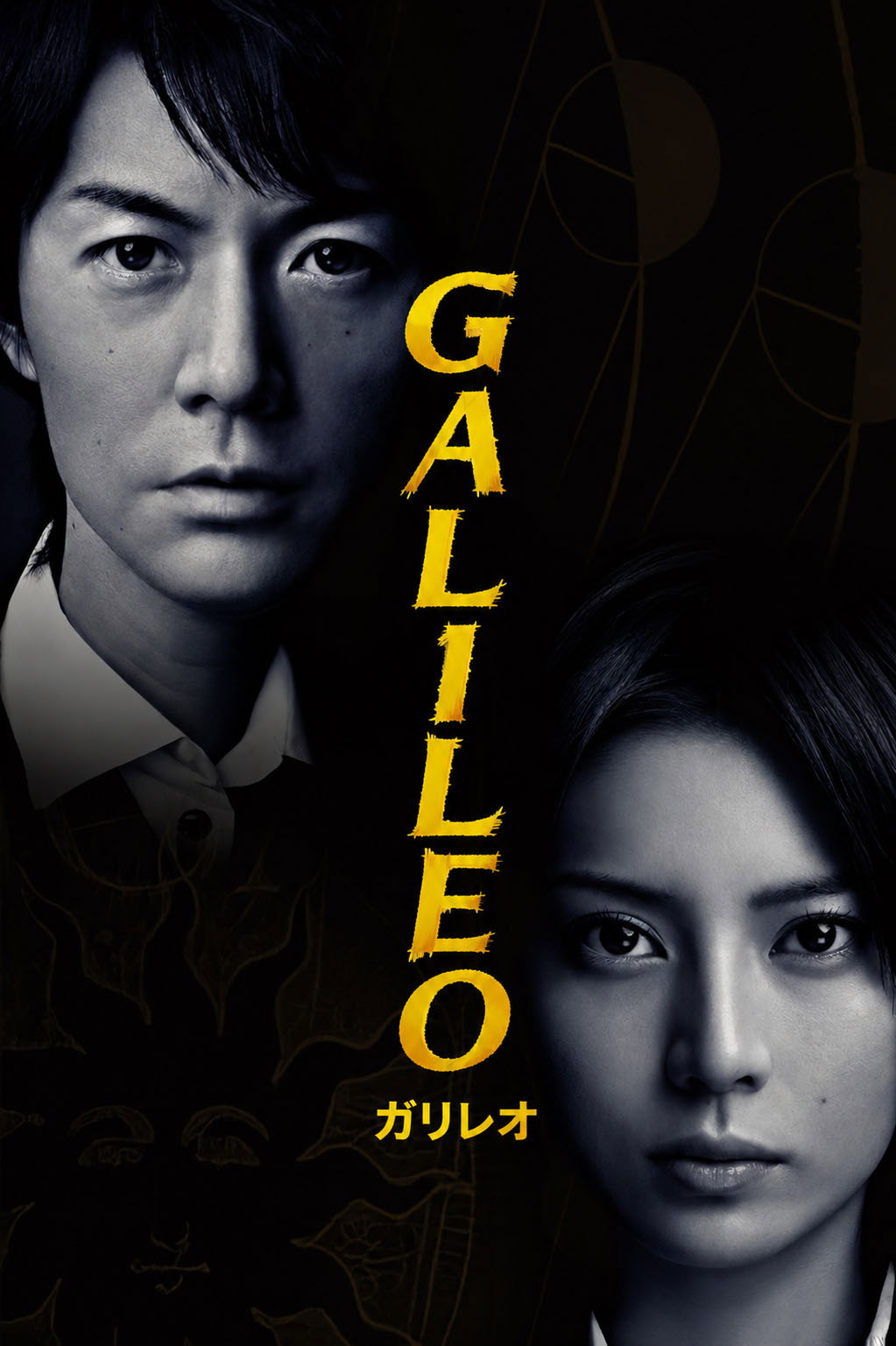
Plot Analysis Summary
Across two seasons, Manabu Yukawa investigates deaths and threats that appear supernatural or impossible. The overarching structure repeatedly moves from extraordinary claims to scientific examination, while the later cases make Yukawa himself the target of an intellectual challenge.
Story Structure — 6 Plot Phases
Season 1: Scientific Beginnings
The first season begins with apparently impossible deaths and unusual physical evidence. Yukawa enters the investigations as a scientific problem solver, turning supernatural-looking clues into questions that can be tested.
Key Events
-
Burned Head Death — A young man dies from burns to the head while partying with friends. The police initially consider the death an accident involving firecrackers. Characters: Manabu Yukawa
-
Scientific Investigation Begins — A rookie police investigator seeks help from Manabu Yukawa, an associate professor at Teito University, and the investigation uncovers a darker explanation for the death. Characters: Manabu Yukawa
-
Apartment Murder — An office worker is found murdered in her apartment, and an insurance agent is quickly treated as the suspect. Characters: Manabu Yukawa
-
Astral Alibi — A boy claims to have seen the suspect's vehicle near his house while experiencing astral projection, creating an unusual alibi problem. Characters: Manabu Yukawa
-
Missing Husband Case — Yukawa asks for help locating a student's missing brother-in-law, who has been absent for more than a week. Characters: Manabu Yukawa
-
House of Suspicion — The missing man's last known location is a house owned by a deceased woman and occupied by her nephew and suspicious people. Characters: Manabu Yukawa
Season 1: Hidden Mechanisms
Cases involving necrosis, a sealed hotel room, and ghost fire deepen the tension. The recurring narrative pattern is the collision between extraordinary claims and material evidence.
Key Events
-
Pool Death Reopened — A girl is found dead in a swimming pool, and her death is initially classified as natural because of a heart attack. Characters: Manabu Yukawa
-
Necrosis Evidence — A purple mark on the victim's chest is identified as necrosis, and two similar deaths strengthen the suspicion of homicide. Characters: Manabu Yukawa
-
Sealed Hotel Murder — A man is found murdered in a hotel room with no apparent forced entry or struggle. Characters: Manabu Yukawa
-
Ghost Fire Clue — A witness reports seeing ghost fire through a nearby window, a clue that interests Yukawa and directs the investigation toward the method of death. Characters: Manabu Yukawa
-
Trespassing Friend — A childhood friend of the police investigator is wanted for trespassing after entering a young girl's house. Characters: Manabu Yukawa
Season 1: Personal Crisis
Impossible temporal connections, remote warnings, and the Death Mask case bring increasingly disturbing implications. The season culminates in Yukawa confronting his former teacher while a police investigator faces mortal danger.
Key Events
-
Impossible Connection — Evidence suggests that the fugitive knew the girl before she was born, revealing an unexplained connection involving the fugitive, the girl, and the investigator. Characters: Manabu Yukawa
-
Mistress Threat — A married man is confronted by his mistress, who demands a divorce and threatens suicide. Characters: Manabu Yukawa
-
Window Death Device — The mistress dies across the street in a location visible from the man's window, leading to an investigation into a possible murder device. Characters: Manabu Yukawa
-
Remote Warning — A cooking instructor is murdered in her office, while her sister apparently receives a warning about the killing from thirty kilometers away. Characters: Manabu Yukawa
-
Apparition Questioned — The apparent remote warning raises the question of whether the event was supernatural or produced by an explainable mechanism. Characters: Manabu Yukawa
Season 2: Expanding Mysteries
The second season resumes the consultation structure with cases involving a pendulum, a curse, and carbon monoxide poisoning. Yukawa continues to test apparently paranormal explanations against scientific reasoning.
Key Events
-
Exploded Body — A man is found dead after exploding in a lake, beginning another investigation involving an unusual apparent cause of death. Characters: Manabu Yukawa
-
Death Mask Artwork — An art student creates a work called 'The Death Mask' that accurately resembles a missing person. Characters: Manabu Yukawa
-
Disturbing Past — The investigation uncovers a disturbing past involving Yukawa and the prime suspects. Characters: Manabu Yukawa
-
Teacher Confrontation — Yukawa confronts his former teacher regarding two murders and the subsequent death of the teacher's secretary. Characters: Manabu Yukawa
-
Christmas Eve Crisis — A police investigator faces a life-threatening situation that only Yukawa can resolve. Characters: Manabu Yukawa
Season 2: Escalating Challenge
Twin intuition, a mountain murder, a mummified crow tengu, and a phone-linked theater death broaden the range of mysteries. The cases increasingly frame Yukawa's science as something that can be challenged directly.
Key Events
-
New Case Consultation — A detective visits Yukawa about a case, continuing the series pattern of scientific consultation. Characters: Manabu Yukawa
-
Pendulum Decision — An elderly woman living alone is murdered, and Yukawa encounters a high school student who relies on a crystal pendulum to make decisions. Characters: Manabu Yukawa
-
Curse and Suicide — An executive suffers a breakdown and is found dead the next day. Yukawa investigates a supposed curse associated with suicide. Characters: Manabu Yukawa
-
Carbon Monoxide Death — A baseball player asks Yukawa for advice about returning to the major leagues, but the player's wife later dies from carbon monoxide poisoning. Characters: Manabu Yukawa
-
Twin Danger Signal — Yukawa assists with an attempted murder case in which the victim's twin sister sensed the danger beforehand. Characters: Manabu Yukawa
Season 2: Former Classmate
The Devil's Hand openly challenges Yukawa's scientific authority through threats and criminal experiments. The final poisoning case reconnects Yukawa with a former classmate and concludes with an experiment intended to solve the mystery.
Key Events
-
Mountain Hiking Murder — Yukawa visits a mountain crime scene to investigate a murder committed during a hiking event. Characters: Manabu Yukawa
-
Mummified Crow Mystery — Yukawa investigates a mysterious death involving a mummified crow tengu and meets the last person to speak with the deceased. Characters: Manabu Yukawa
-
Theater Phone Murder — Yukawa advises on the murder of a popular theater troupe leader who was on the phone when he died. Characters: Manabu Yukawa
-
Devils Hand Challenge — A figure known as the Devil's Hand sends threats to the police and challenges Yukawa by claiming that the crimes will determine the true scientific genius. Characters: Manabu Yukawa
-
Poisoned President — A company president is poisoned. Yukawa learns that the widow is his former classmate and agrees to aid the investigation. Characters: Manabu Yukawa
-
Experimental Solution — Yukawa reconnects with his former classmate and conducts an experiment that may help solve her husband's death. Characters: Manabu Yukawa