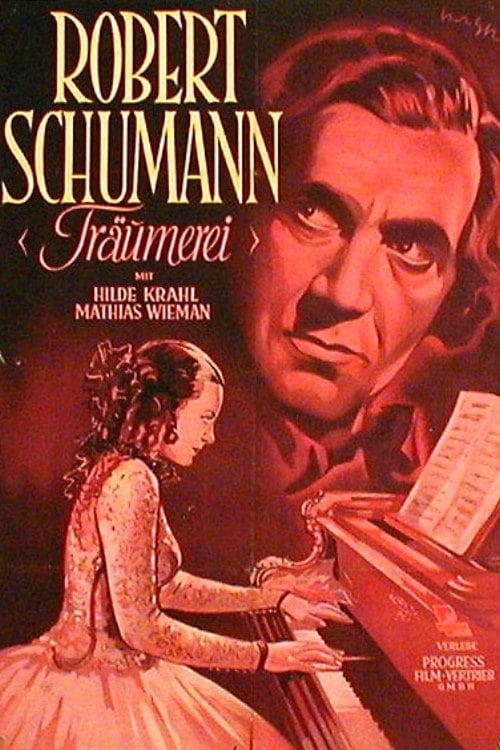
A structural breakdown of the 1944 German musical drama's premise, production logistics, casting adjustments, and premiere trajectory.
Story Structure — 4 Plot Phases
Historical Premise Introduction
Establishes the film as a 1944 German historical musical drama centered on the lives of pianist Clara Schumann and composer Robert Schumann.
Key Events
Historical Premise Introduction — Introduces the 1944 German musical drama focusing on Clara and Robert Schumann. Characters: Robert SchumannLocation: Narrative Frame
Babelsberg Studio Filming — Principal photography begins at the Babelsberg Studios in Berlin.
Location: Babelsberg Studios
Studio & Location Production
Details the extensive filming process across Babelsberg, Tempelhof, and Xanten, supported by elaborate set designs from Hasler and Kutz.
Key Events
Tempelhof Studio Filming — Production continues at the Tempelhof Studios in Berlin.
Location: Tempelhof Studios
Xanten Location Shoots — Filming moves to on-location shoots around Xanten in the Rhineland.
Location: Xanten, Rhineland
Art Direction & Set Design — Art directors Emil Hasler and Walter Kutz construct detailed film sets.
Location: Berlin Studios
Casting & Financial Shifts
Highlights the acquisition of government funding, the departure of Zarah Leander, and the post-production removal of Hildegard Knef's scenes.
Key Events
Government Funding Secured — Production receives over two million reichsmarks in government financial assistance.
Location: Berlin
Zarah Leander Recast — Original lead Zarah Leander flees to Sweden due to war, prompting recasting.
Location: Berlin
Hildegard Knef Deleted Scenes — Future star Hildegard Knef shoots debut scenes that are later cut from the final film.
Location: Berlin Studios
Premiere & Official Release
Covers the dual premiere events in Zwickau and Berlin, marking the film's transition from production to public exhibition.
Key Events
Hildegard Knef Deleted Scenes — Future star Hildegard Knef shoots debut scenes that are later cut from the final film.
Location: Berlin Studios
Zwickau Premiere Screening — Film premieres in Zwickau, the historical birthplace of Robert Schumann. Characters: Robert SchumannLocation: Zwickau
Marmorhaus Capital Screening — First official screening at the Marmorhaus cinema in the capital city.
Location: Berlin
Story Breakdown
Historical Subject Matter — Core narrative focus on the Schumanns' lives.
Clara Schumann Focus — Centers on the pianist's artistic journey.
Robert Schumann Focus — Highlights the composer's creative legacy.
Studio Production Phase — Primary filming locations and studio work.
Babelsberg & Tempelhof — Main Berlin studio facilities utilized.
Financial & Political Context — Funding and national significance.
Government Reichsmark Funding — Over two million reichsmarks secured.
National Film Status — Recognized as an important cultural production.
Premiere & Release — Initial public screenings and distribution.
Zwickau Birthplace Screening — First premiere in Robert's hometown.
Berlin Marmorhaus Debut — Capital city cinema opening event.
A musical film based on biographical facts about Clara Wieck's love for composer Robert Schumann (1810-1856), her marriage against her will, Schumann's triumph, and his tragic end due to mental illness. The film is beautiful and entertaining, full of noble spirit and beautiful words about art and love, which only conflict in a theoretical context; not least thanks to its solid cast, this film is quite serious and far from kitsch. Completed in 1944, during World War II, the film was rejected by the Nazi leadership, but was eventually released and enjoyed success with an audience already weary of war.