Story Structure — 5 Plot Phases
Season 1: Partnership Formation
Watson and Holmes establish their working dynamic through early London and Sussex cases, focusing on deductive methodology and initial trust-building.
Key Events
-
Watson Meets Holmes — Initial meeting where Watson assists Holmes, establishing their partnership. Characters: Sherlock Holmes, Dr. Watson
Location: London
-
Sealed Castle Shooting — Investigation of a murder in a locked room, highlighting deductive methods. Characters: Sherlock Holmes, Dr. Watson
Location: Sussex
-
Ghost Hallucination Crime — Watson's perceived ghost sighting leads to an art museum theft. Characters: Sherlock Holmes, Dr. Watson
Location: London
-
Winthrop Silver Legend — Holmes debunks a family curse involving silver coins and sudden deaths. Characters: Sherlock Holmes
Location: London
Season 1: Escalating Mysteries
Cases grow more complex and dangerous, requiring Watson to transition from chronicler to active field participant amid corporate conspiracies and urban crimes.
Key Events
-
Winthrop Silver Legend — Holmes debunks a family curse involving silver coins and sudden deaths. Characters: Sherlock Holmes
Location: London
-
Chicken's Foot Murder — Baffling crime scene solved through meticulous clue analysis. Characters: Sherlock Holmes, Dr. Watson
Location: London
-
Red-Headed League Dissolution — Investigation into a mysterious organization that suddenly disbanded. Characters: Sherlock Holmes, Dr. Watson
Location: London
-
Hydraulic Engineer Rescue — Watson treats an injured engineer, uncovering a corporate conspiracy. Characters: Sherlock Holmes, Dr. Watson
Location: London
-
Sweepstakes Ticket Murder — Race against time to prevent a murder over a shared lottery win. Characters: Sherlock Holmes, Dr. Watson
Location: London
Season 1: Mid-Season Convergence
International threads and psychological manipulations test the duo's coordination, with direct threats and abductions raising personal stakes.
Key Events
-
Sweepstakes Ticket Murder — Race against time to prevent a murder over a shared lottery win. Characters: Sherlock Holmes, Dr. Watson
Location: London
-
French Interpreter Abduction — Urgent rescue mission to stop a financial fraud scheme. Characters: Sherlock Holmes, Dr. Watson
Location: London
-
Singing Violin Murder — Investigation into a murder linked to psychological manipulation. Characters: Sherlock Holmes, Dr. Watson
Location: London
-
Greystone Inscription Mystery — Search for a missing historian obsessed with ancient artifacts. Characters: Sherlock Holmes, Dr. Watson
Location: London
-
Thistle Killer Tracking — Hunting a serial murderer leaving floral signatures at crime scenes. Characters: Sherlock Holmes, Dr. Watson
Location: London
Season 1: High-Stakes Thrillers
Serial killers, bomb threats, and disappearances force the partners into life-or-death scenarios, solidifying their interdependent operational model.
Key Events
-
Thistle Killer Tracking — Hunting a serial murderer leaving floral signatures at crime scenes. Characters: Sherlock Holmes, Dr. Watson
Location: London
-
Holmes Disappears — Watson and authorities search for the missing detective. Characters: Sherlock Holmes, Dr. Watson
Location: London
-
Suffragette Bomb Incident — Investigation into a switched explosive device targeting a politician. Characters: Sherlock Holmes, Dr. Watson
Location: London
-
London Bomb Hunt — Tense race to locate a planted explosive before detonation. Characters: Sherlock Holmes, Dr. Watson
Location: London
-
Belgian School Prophecy — Investigation into a pattern of deaths following written names. Characters: Sherlock Holmes, Dr. Watson
Location: Belgium
Season 1: Resolution & Legacy
Late-season traps and investigations demonstrate seamless teamwork, concluding with reinforced loyalty and a fully integrated detective-chronicle dynamic.
Key Events
-
Belgian School Prophecy — Investigation into a pattern of deaths following written names. Characters: Sherlock Holmes, Dr. Watson
Location: Belgium
-
Baker Street Baby Kidnapping — Desperate search for a kidnapped infant and missing scientist. Characters: Sherlock Holmes, Dr. Watson
Location: London
-
Perfect Husband Trap — Clever scheme to trap a serial wife-murderer before time runs out. Characters: Sherlock Holmes, Dr. Watson
Location: London
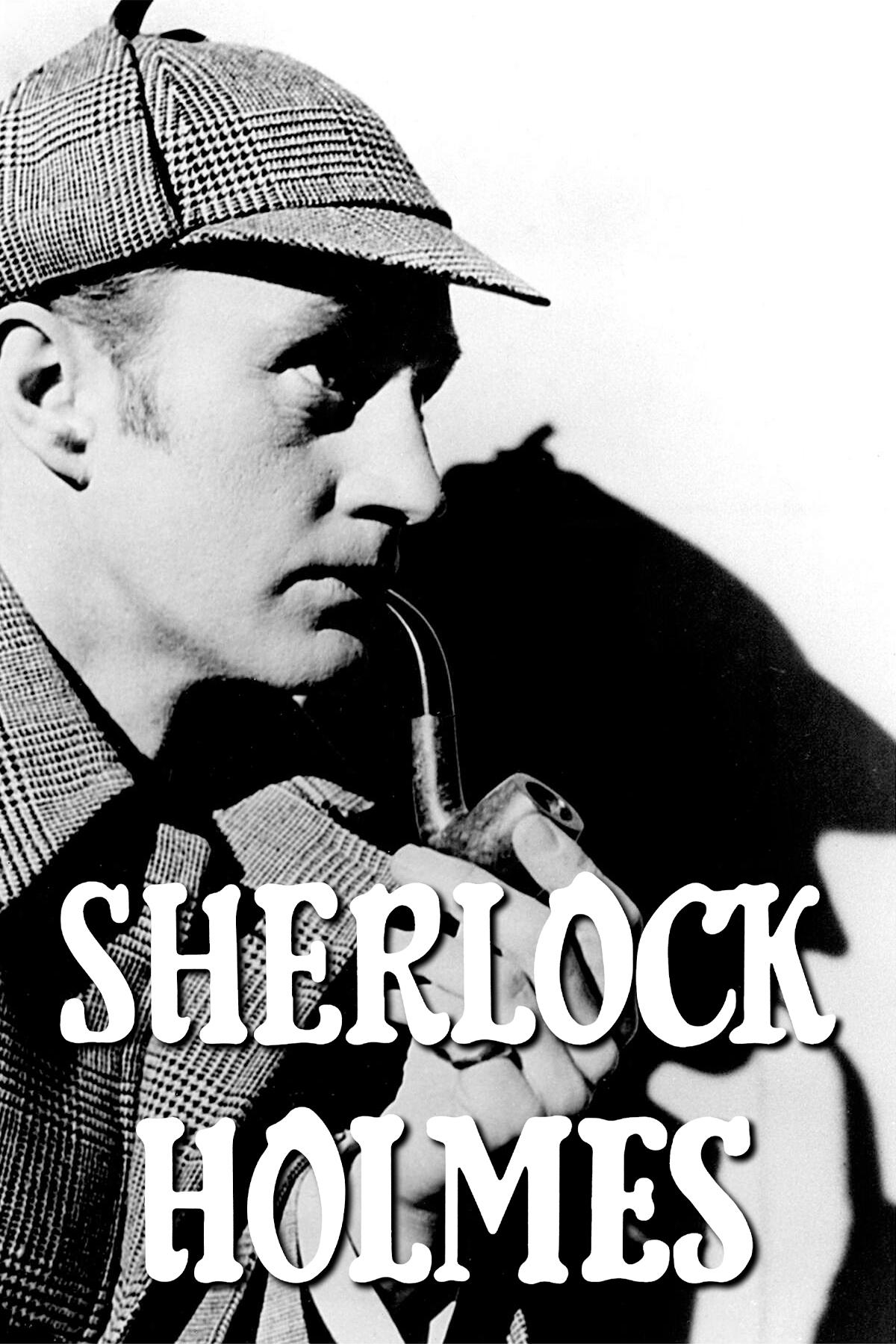
The first American television series of Sherlock Holmes adventures aired in syndication in the fall of 1954. The 39 half-hour mostly original stories were produced by Sheldon Reynolds and filmed in France by Guild Films, starring Ronald Howard as Holmes and Howard Marion Crawford as Watson. Archie Duncan appeared in many episodes as Inspector Lestrade. Richard Larke, billed as Kenneth Richards, played Sgt. Wilkins in about fifteen episodes. The series' associate producer, Nicole Milinaire, was one of the first women to attain a senior production role in a television series.