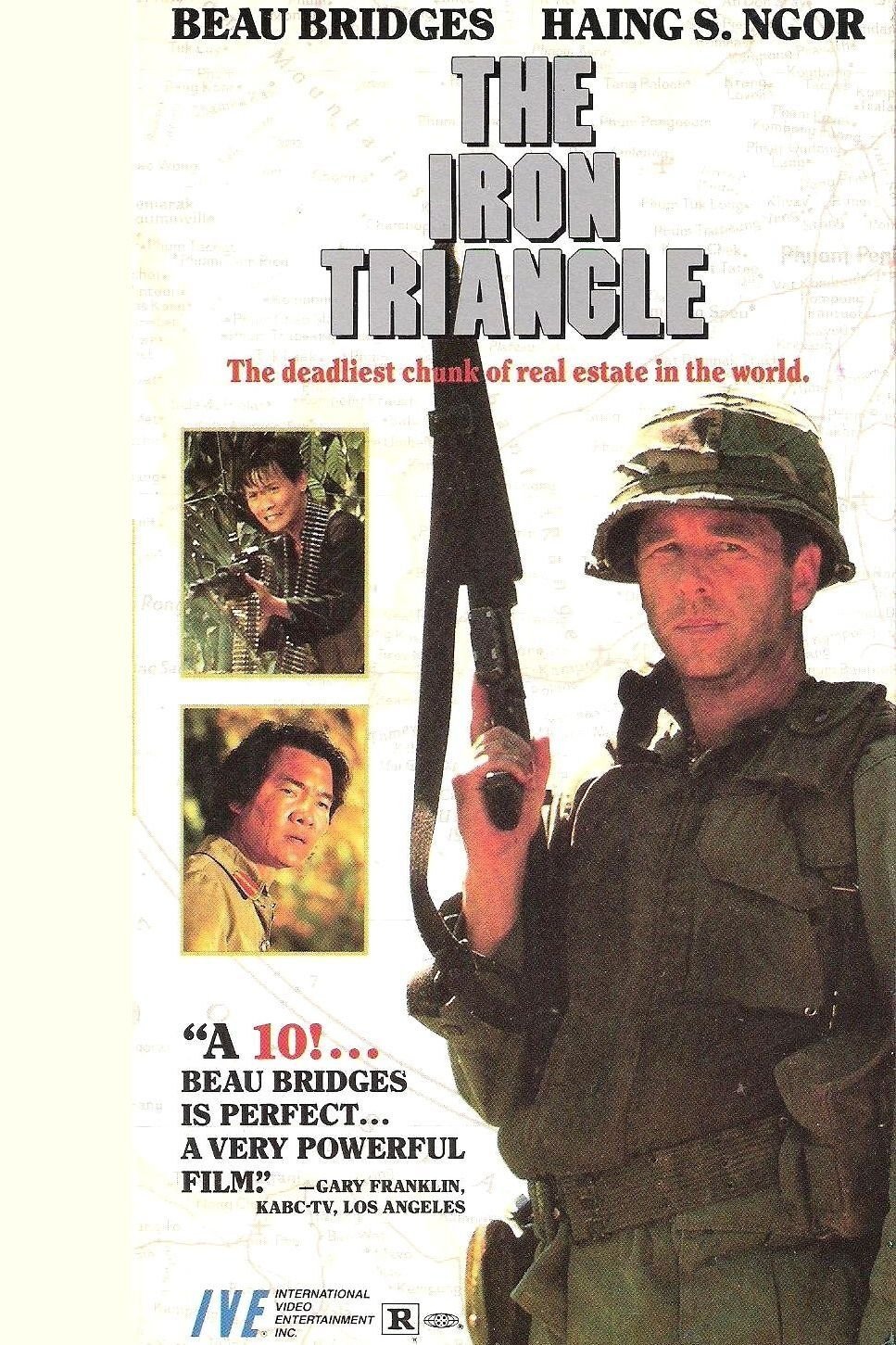
The Iron Triangle (1989) character relationship network mapped with AI analysis. Explore the connections, alliances, and conflicts between characters.
Characters
Capt. Keene
(played by Beau Bridges) — protagonist
Keene is described as a simple soldier and is one of the three men through whom the film presents the war’s moral complexity. Alongside Ho and Jacques, his place in the story contributes to a view of...
Col. Tuong, NVA
(played by Haing S. Ngor) — supporting
Ho
(played by Liem Whatley) — supporting
Ho is identified as a teacher’s son and is one of the three men highlighted in the film’s account of the Vietnam War. Alongside Keene and Jacques, he helps convey the story’s more complicated view of...
Jacques
(played by Johnny Hallyday) — supporting
Jacques is a French mercenary and one of the three men highlighted in the film’s portrayal of the war. Alongside Ho and Keene, he helps bring out the story’s nuanced perspective, showing that the conf...
Khoi
(played by Jim Ishida) — supporting
Pham
(played by Ping Wu) — supporting
Shen
(played by Jack Ong) — supporting
Thuy
(played by Arsenio Trinidad) — supporting
Joop
(played by Bobby McGee) — supporting
Khan Li
(played by Iilana B'tiste) — supporting
Swan
(played by Richard Weygint) — supporting
Capt. Duc, ARVN
(played by François Chau) — minor
Grover
(played by Joe Seely) — minor
Chau
(played by Glen Chin) — minor
Story Analysis
A Vietnam War film exploring moral ambiguity through multiple soldier perspectives anchored by a diary.
Plot Progression
Diary Foundation
— The film establishes its unique premise through a Viet Cong soldier's diary. This narrative device immediately complicates traditional war movie tropes.
Character Convergence
— Key figures including Ho, Jacques, and Keene are introduced, each representing different facets of the conflict. Their backgrounds set the stage for ideological clashes.
Moral Descent
— As the war progresses, the clear lines between good and evil blur. Characters face difficult choices that challenge their initial convictions.
Complex Resolution
— The narrative culminates in a nuanced reflection on the war's multifaceted nature. The diary's perspective leaves a lasting impression of historical ambiguity.