Plot Analysis Summary
Eight friends navigate unstable homes, uncertain careers, distance, and mismatched emotional expectations across Berlin and other German cities.
Story Structure — 4 Plot Phases
Unstable Berlin Lives
Eight friends in their late twenties move between flat-shares and small part-time jobs. Their search for perspective establishes the film's ensemble focus.
Key Events
-
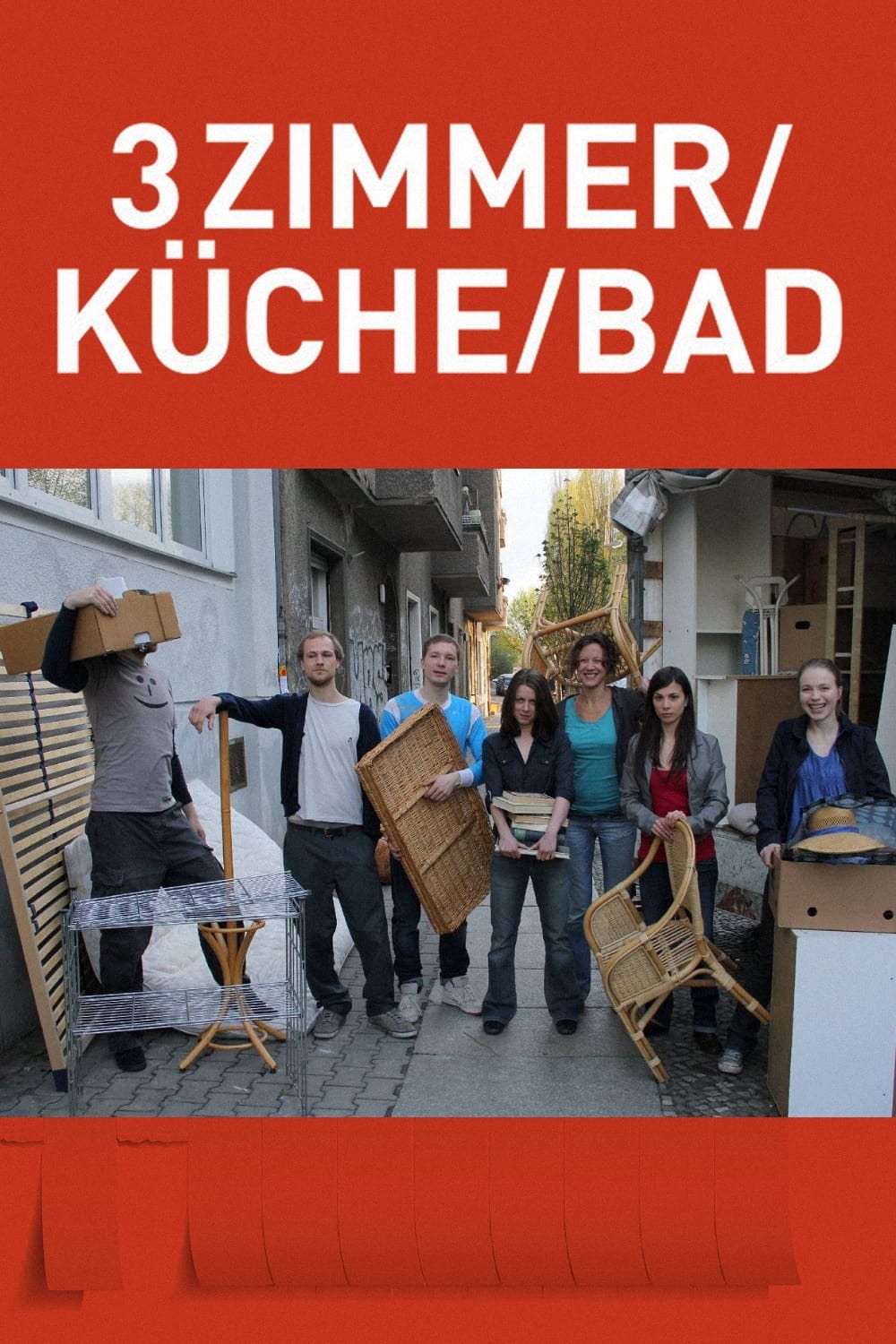
Eight Friends in Berlin — Eight friends navigate unstable lives around Berlin. Characters: Dina, Thomas, Jessica, Philipp, Swantje, Maria, Wiebke, Michael
Location: Berlin
-
Constant Flat-Share Moves — The friends repeatedly move between shared flats. Characters: Dina, Wiebke, Philipp
Location: Berlin flat-shares
-
Searching for Perspective — The group tries to find direction in unstable circumstances. Characters: Dina, Thomas, Jessica, Philipp, Wiebke, Michael
Location: Berlin
-
Philipp's Photography Dream — Philipp wants to become a photographer. Characters: Philipp
Location: Berlin
-
Philipp Loves Dina — Philipp's long-standing love for Dina is established. Characters: Philipp, Dina
Location: Berlin
-
Dina Sets a Boundary — Dina regards Philipp as a good friend, not a lover. Characters: Dina, Philipp
Location: Berlin
Unreturned Feelings
Philipp's long-standing love for Dina is contrasted with Dina's view of him as a friend. Their emotional imbalance becomes one of the central tensions.
Key Events
-
Dina Sets a Boundary — Dina regards Philipp as a good friend, not a lover. Characters: Dina, Philipp
Location: Berlin
-
Dina and Wiebke Share — Dina and Wiebke share a flat in Berlin. Characters: Dina, Wiebke
Location: Berlin flat-share
-
Wiebke's Internship Cycle — Wiebke endures a long succession of internships. Characters: Wiebke
Location: Berlin
-
Wiebke Lands a Job — Wiebke finally obtains a real job. Characters: Wiebke
Location: Berlin
-
Wiebke Notices Michael — Wiebke develops an interest in Michael. Characters: Wiebke, Michael
Location: Berlin
-
Michael Wants Friendship — Michael limits the connection to friendship. Characters: Wiebke, Michael
Location: Berlin
Work and Desire
Wiebke finally gets a real job while developing an interest in Michael, who prefers a friendship-based relationship. Thomas pursues graphic design and increasingly neglects Jessica.
Key Events
-
Michael Wants Friendship — Michael limits the connection to friendship. Characters: Wiebke, Michael
Location: Berlin
-
Thomas Pursues Design — Thomas works intensely toward graphic-design employment. Characters: Thomas
Location: Berlin
-
Thomas Neglects Jessica — Thomas's career pursuit increasingly harms his relationship. Characters: Thomas, Jessica
Location: Berlin
-
Philipp and Thomas Bond — Philipp's best friendship with Thomas anchors the group. Characters: Philipp, Thomas
Location: Berlin
-
Maria Waits in Freiburg — Maria remains in Freiburg while awaiting a move to Berlin. Characters: Maria, Philipp
Location: Freiburg and Berlin
-
Maria Plans Berlin Move — Maria's future is tied to moving in with Philipp. Characters: Maria, Philipp
Location: Freiburg and Berlin
Distance and Direction
Maria waits in Freiburg to move in with Philipp in Berlin, while Swantje stays in Stuttgart and keeps contact by phone. The characters remain connected despite geographic and emotional uncertainty.
Key Events
-
Maria Plans Berlin Move — Maria's future is tied to moving in with Philipp. Characters: Maria, Philipp
Location: Freiburg and Berlin
-
Swantje Lives Apart — Swantje lives in Stuttgart away from the Berlin group. Characters: Swantje
Location: Stuttgart
-
Berlin by Telephone — Swantje maintains contact with Berlin mainly by phone. Characters: Swantje
Location: Stuttgart
-
Romantic Plans Diverge — The friends face mismatched expectations in their relationships. Characters: Dina, Philipp, Wiebke, Michael, Maria
Location: Berlin
-
Careers Remain Unsettled — Creative ambition and employment shape uncertain futures. Characters: Philipp, Thomas, Wiebke
Location: Berlin
-
Lives in Motion — The ensemble remains defined by movement and uncertain direction. Characters: Dina, Thomas, Jessica, Philipp, Swantje, Maria, Wiebke, Michael
Location: Berlin, Freiburg, and Stuttgart