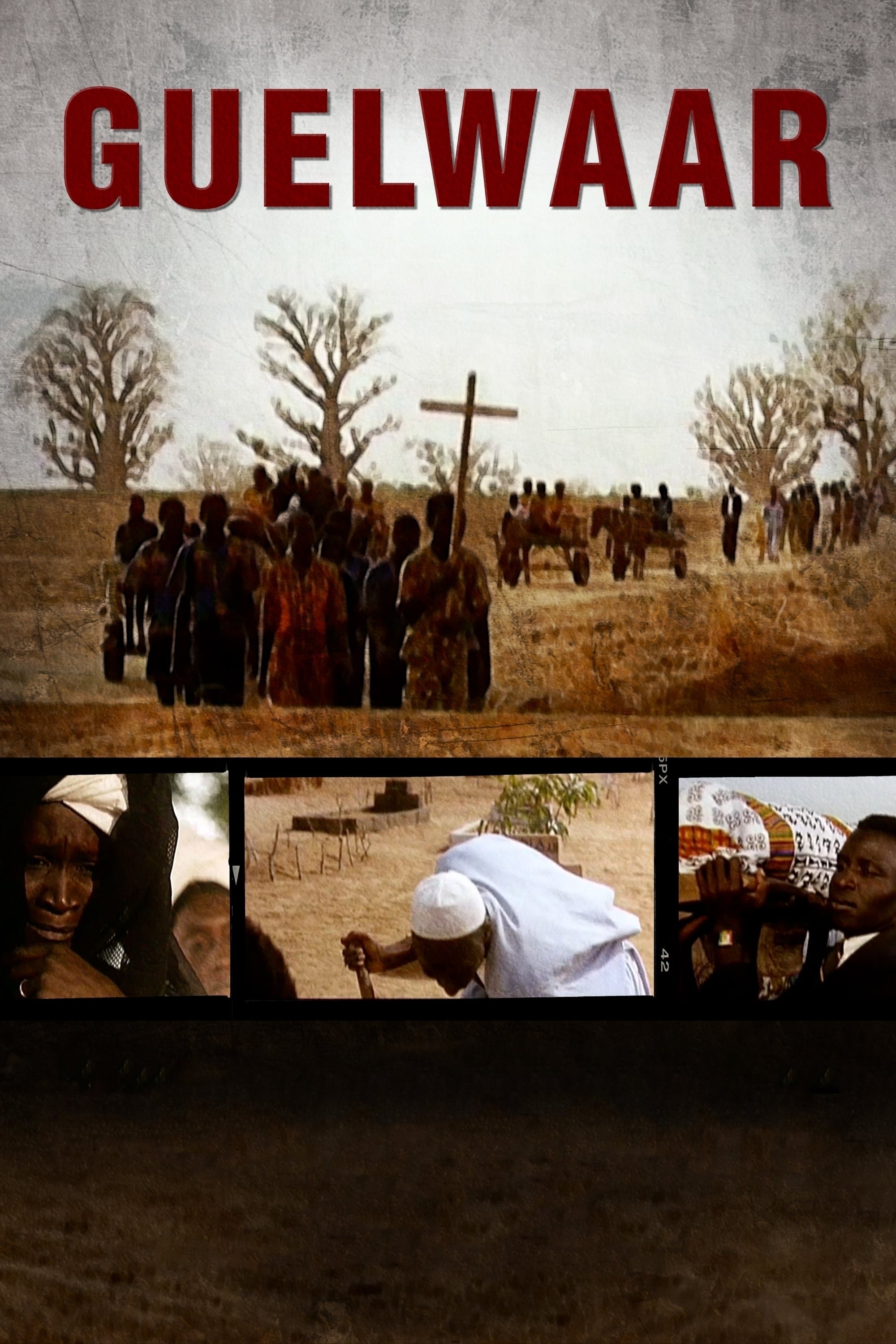
Plot Analysis Summary
A satirical drama exploring inter-religious tensions, administrative failure, and African socio-political identity through a mistaken burial.
Story Structure — 4 Plot Phases
The Fatal Mix-Up
Two men from different faiths die on the same day, but a clerical error swaps their bodies. The Muslim relatives arrive to claim their deceased but receive the Catholic man, while the Catholic family is left with an empty casket.
Key Events
-
Dual Deaths — A Catholic man and a Muslim man die on the same day.
Location: Hospital
-
Clerical Error Revealed — A clerical mistake swaps the identities of the deceased.
Location: Morgue
-
Muslim Claim — Muslim relatives arrive to claim their deceased but receive the wrong body.
Location: Cemetery
-
Empty Casket Discovery — The Catholic family is left with an empty casket.
Location: Cemetery
-
Cross-Burial Decision — The Muslim family decides to proceed with the burial despite the error.
Location: Mosque
Communal Conflagration
The unexpected cross-religious burial triggers shock and satire within the deeply religious community. Inter-religious tensions and political undertones surface as the Catholic man's activist past influences public perception.
Key Events
-
Cross-Burial Decision — The Muslim family decides to proceed with the burial despite the error.
Location: Mosque
-
Community Shock — The deeply religious community reacts with shock and confusion.
Location: Village
-
Satire Ignites — Satire and comedy erupt as inter-religious tensions surface.
Location: Public Square
-
Political Undertones — The Catholic man's past as a dissident influences the community's response.
Location: Town Hall
-
North-South Critique — The film highlights socio-economic disparities and North-South power dynamics.
Location: Government Office
-
Burial Ceremony — The burial proceeds, blending religious ritual with unexpected circumstances.
Location: Cemetery
Cultural & Political Echoes
The narrative expands to critique North-South power dynamics and socio-economic development. Historical African philosophy and pan-African ideals are woven into the unfolding events through actor performances and community debates.
Key Events
-
Burial Ceremony — The burial proceeds, blending religious ritual with unexpected circumstances.
Location: Cemetery
-
Communal Debate — Families and community members debate the implications of the mix-up.
Location: Village
-
African Pride Theme — The lead actor recites a verse emphasizing African dignity and pride.
Location: Theater
-
Pan-African Nod — The narrative references pan-Africanism and historical African leaders.
Location: Political Rally
-
Inter-Religious Dialogue — Both families engage in tense but necessary conversations.
Location: Community Center
-
Satirical Climax — Comedic satire reaches its peak as communal tensions boil over.
Location: Public Square
Satire & Resolution
Comedic satire peaks as communal friction reaches a boiling point, followed by bureaucratic accountability. The story concludes with themes of African pride, inter-religious understanding, and socio-economic reflection.
Key Events
-
Satirical Climax — Comedic satire reaches its peak as communal tensions boil over.
Location: Public Square
-
Administrative Accountability — The bureaucratic failure is publicly questioned and criticized.
Location: Government Office
-
Cultural Reflection — Historical philosophy is woven into the modern narrative.
Location: Stage
-
Community Reconciliation — The community begins to find common ground despite differences.
Location: Village
-
Thematic Resolution — The story concludes by emphasizing unity, pride, and socio-economic critique.
Location: Cemetery
-
Final Satirical Note — The film ends on a reflective note blending comedy and serious commentary.
Location: Theater
As funeral preparations begin for Pierre Henri 'Guelwaar' Thioune, rumour spreads that his death may have been an assassination in retaliation for his radical political beliefs and constant criticism of the current regime. When the heroic Guelwaar's cadaver is stolen, his Francophile son, Barthelemy, contacts the authorities. As Detective Gora begrudgingly investigates, he discovers that Guelwaar was a complicated man guilty of his own share of sins.