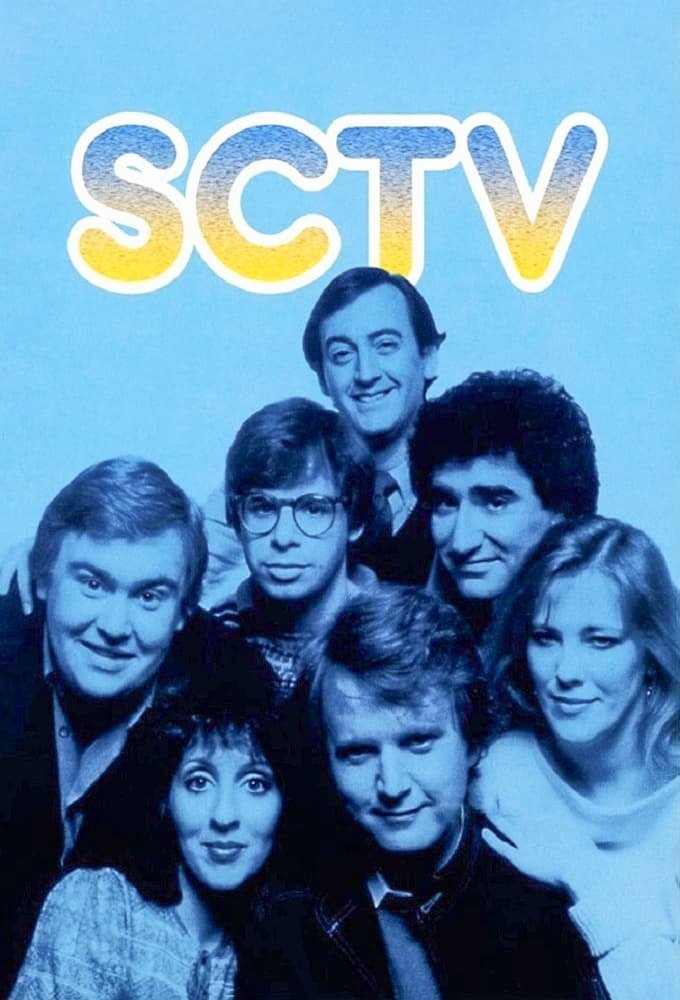
Second City Television (1976) interactive character relationship network and AI-powered story timeline. Explore the connections, alliances, and conflicts between characters across the narrative arc.
A comprehensive breakdown of the show's six-season run, tracking format evolution, character arcs, and network dynamics.
Rating: 7.8/10 (32 votes)
The inaugural season establishes the backstage framing device, introduces core anchors and station management, and experiments with show-length parodies like Ben Hur. The season focuses on building the network's identity through recurring sketch formats and wraparound concepts.
Guy Caballero arrives as network executive while Moe Green faces a kidnapping plot. Edith Prickley takes over as station manager, sparking immediate friction. The season introduces the recurring telethon format and explores writer strikes disrupting programming.
The Great White North characters debut and become network staples. Live theater parodies and Star Wars promotions reflect cultural trends. Technical broadcasting goals and satellite discussions highlight network infrastructure concerns.
A war erupts between networks over pay TV distribution. Johnny LaRue's film failure strains executive relations. The staff Christmas party highlights bonus disputes and production challenges during the holiday season.
Ed Grimley's metamorphic sketch debuts. The office move turns into a disaster parody. Bobby Bittman retires after billing disputes. Local elections introduce political rivalries and romantic complications among candidates.
SCTV moves to Cinemax, launching a dedicated cable channel. New review formats debut alongside political satire. Script theft investigations and financial crises culminate in a final pledge drive as the network faces bankruptcy.
Plot analysis generated from content on Wikipedia, licensed under CC BY-SA 4.0.
Related entry on Wikidata (Q1767756), public domain (CC0).