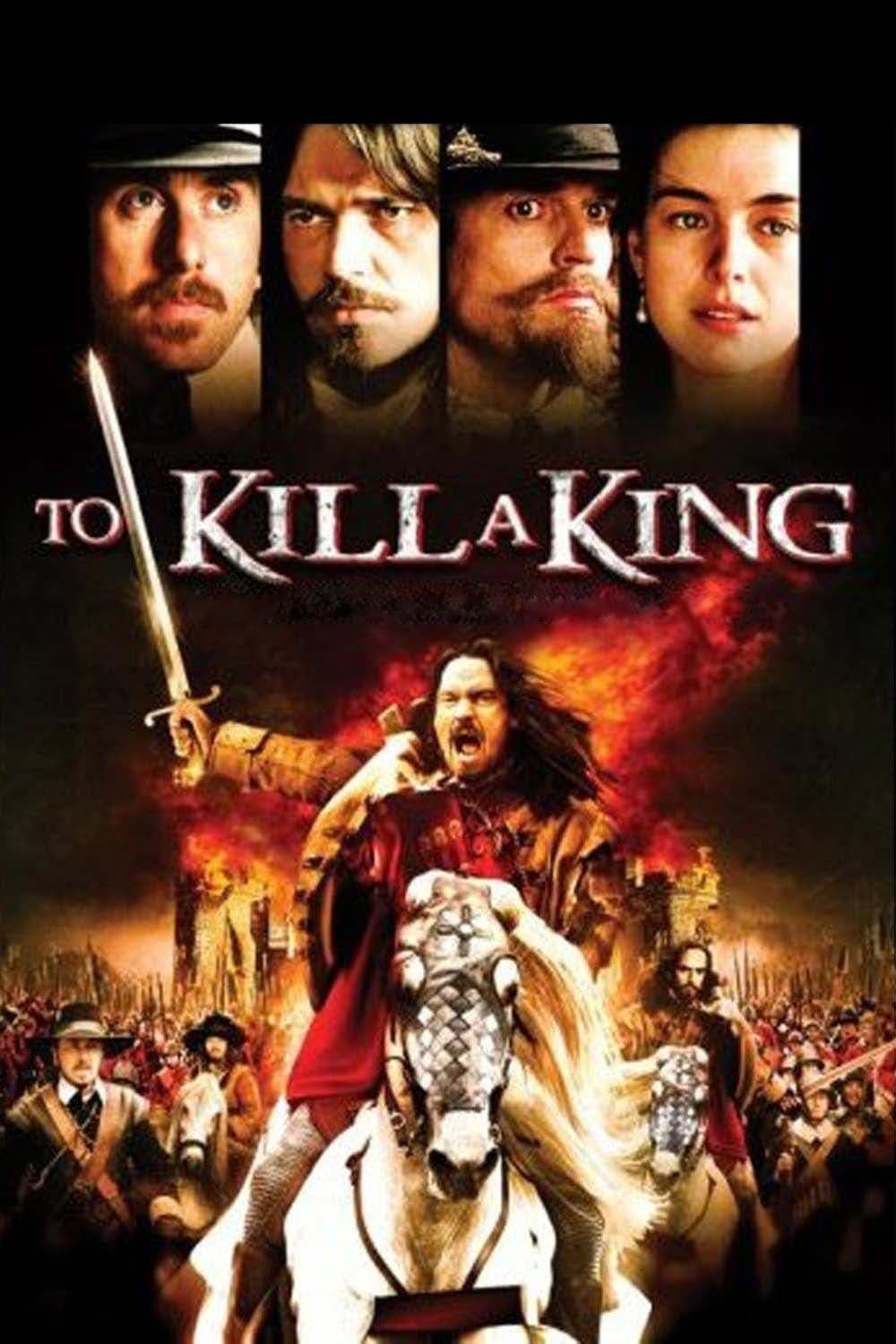
To Kill a King (2003) character relationship network mapped with AI analysis. Explore the connections, alliances, and conflicts between characters.
Oliver Cromwell is Thomas Fairfax’s loyal deputy and a leading Parliamentary commander who helps control the army, arrest royalist MPs, and bring King Charles I to trial and execution. His increasingl...
Thomas Fairfax is the respected commander of the Parliamentary army and Oliver Cromwell’s senior ally. He helps confront Parliament, protects his army and family, opposes the rigged trial and later re...
Denzil Holles is a leading Parliamentary figure who prepares a treaty intended to preserve liberties for the future. He secretly bargains with King Charles I and helps secure a favorable parliamentary...
Sergeant Joyce is an old army comrade whom Thomas Fairfax recruits for a plan to assassinate Oliver Cromwell after Cromwell becomes Lord Protector. When Joyce draws his pistol, Fairfax intervenes and...
King Charles I is the defeated monarch held prisoner by the Parliamentary forces. He refuses to sign a treaty, secretly bargains with Denzil Holles, and attempts to escape with help connected to Lady...
Family, romantic, and professional connections based on plot evidence.
After Joyce is captured during the assassination attempt, Cromwell orders that he be executed immediately.
Fairfax warns Holles to flee before the army marches on Westminster, although the remaining MPs are arrested.
Fairfax commands the victorious Parliamentary forces while the king is held prisoner, and he later refuses to sign the king's death warrant.
The Parliamentary forces are led by Thomas Fairfax, with Oliver Cromwell serving as his loyal deputy.
Alliances, conflicts, and narrative interactions that evolve throughout the story.
Fairfax recruits his old army comrade Sergeant Joyce to help assassinate Cromwell after the investiture.
Cromwell and Fairfax oppose the parliamentary vote affected by bribery, while Cromwell later captures an agent connected to Holles and investigates Ho...
The king secretly agrees with Holles that he will reimburse parliamentary members who support his restoration without signing the treaty.
Cromwell angrily accuses the imprisoned king of helping smuggle palace treasures and later seeks to put him on trial.
The story follows the collapse of a revolutionary alliance as military victory gives way to political compromise, execution, authoritarian power, and regret.
Directed by Mike Barker
To Kill a King (2003) · 5.8/10 · action, adventure, drama
Plot analysis generated from content on Wikipedia, licensed under CC BY-SA 4.0.
Related entry on Wikidata (Q1275605), public domain (CC0).