Story Structure — 4 Plot Phases
The Scientific Genesis
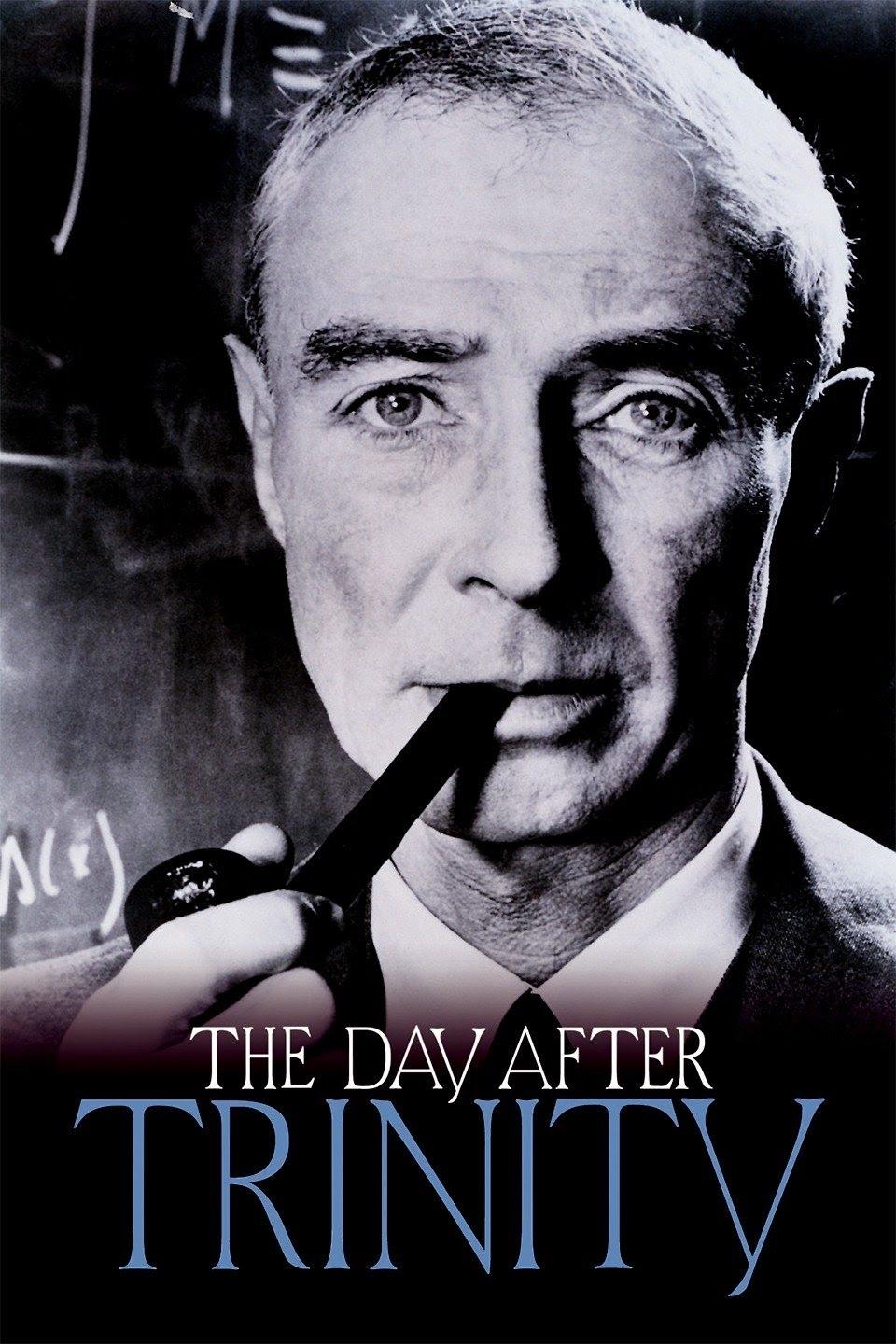
The documentary introduces J. Robert Oppenheimer and the formation of the Manhattan Project. Scientists collaborate intensively to design and build the first atomic bomb under strict secrecy.
Key Events
-
Introduction to Oppenheimer — Film introduces J. Robert Oppenheimer as the theoretical physicist who led the atomic bomb effort.
Location: Documentary Opening
-
Manhattan Project Formation — Scientists gather under Oppenheimer to begin the massive effort to build the first atomic bomb.
Location: Secret Research Facilities
-
Scientific Collaboration — Theoretical and experimental physicists work together on bomb design and calculations.
Location: Research Labs
-
Bomb Design Phase — Intensive engineering and physics work progresses toward weapon completion.
Location: Project Sites
-
Trinity Site Preparation — Final preparations and logistical setup for the upcoming July 1945 test.
Location: Trinity Site, New Mexico
-
The Trinity Test — The first atomic bomb is detonated, marking a historic scientific milestone.
Location: Trinity Site, New Mexico
Trinity Test & Aftermath
The team prepares for and executes the July 1945 Trinity test in New Mexico. Scientists witness the unprecedented power and begin processing the moral implications of their achievement.
Key Events
-
The Trinity Test — The first atomic bomb is detonated, marking a historic scientific milestone.
Location: Trinity Site, New Mexico
-
Test Aftermath & Awe — Scientists witness the explosion's power and reflect on the new reality of nuclear capability.
Location: Trinity Site, New Mexico
-
Post-War Scientific Reflection — Scientists process the moral and practical implications of their creation after the war.
Location: Academic Institutions
-
Declassified Archival Footage — Newly declassified film records provide visual context to the historical narrative.
Location: Historical Archives
-
Political Landscape Shift — The political environment evolves as nuclear policy becomes a national priority.
Location: Washington D.C.
-
Kennedy's Anti-Proliferation Efforts — Senator Kennedy actively pushes for diplomatic talks to halt nuclear weapons spread.
Location: U.S. Senate
Political Shifts & Proliferation
Post-war political dynamics emerge as Robert F. Kennedy pushes for nuclear non-proliferation talks with President Lyndon Johnson. The failure to act promptly accelerates global arms expansion.
Key Events
-
Kennedy's Anti-Proliferation Efforts — Senator Kennedy actively pushes for diplomatic talks to halt nuclear weapons spread.
Location: U.S. Senate
-
Johnson's Presidency & Policy — President Johnson faces pressure to initiate talks on nuclear non-proliferation.
Location: White House
-
Nuclear Arms Race Escalation — The failure to act promptly leads to accelerated nuclear proliferation worldwide.
Location: Global Stage
-
Scientists Interviews & Regret — Former project members share their perspectives on the missed diplomatic opportunities.
Location: Interview Settings
-
Oppenheimer's Historical Perspective — Oppenheimer reflects on the long-term consequences of the bomb's creation.
Location: Interview Setting
-
The Interview Question — Oppenheimer is asked for his thoughts on Kennedy's efforts to stop nuclear spread.
Location: Interview Room
The Final Interview & Reflection
Oppenheimer is questioned about Kennedy's diplomatic efforts and delivers the film's defining quote. The documentary closes with a profound meditation on scientific responsibility and historical regret.
Key Events
-
The Interview Question — Oppenheimer is asked for his thoughts on Kennedy's efforts to stop nuclear spread.
Location: Interview Room
-
20 Years Too Late Realization — Oppenheimer pauses and acknowledges that diplomatic efforts arrived decades too late.
Location: Interview Room
-
Day After Trinity Quote — Oppenheimer delivers the film's title quote, stating action should have occurred immediately after the test.
Location: Interview Room
-
Documentary Conclusion — The film wraps up with the lasting impact of the quote and historical reflection.
Location: Documentary Ending
-
Legacy of Responsibility — The documentary ends by emphasizing the enduring moral weight of scientific creation.
Location: Historical Memory