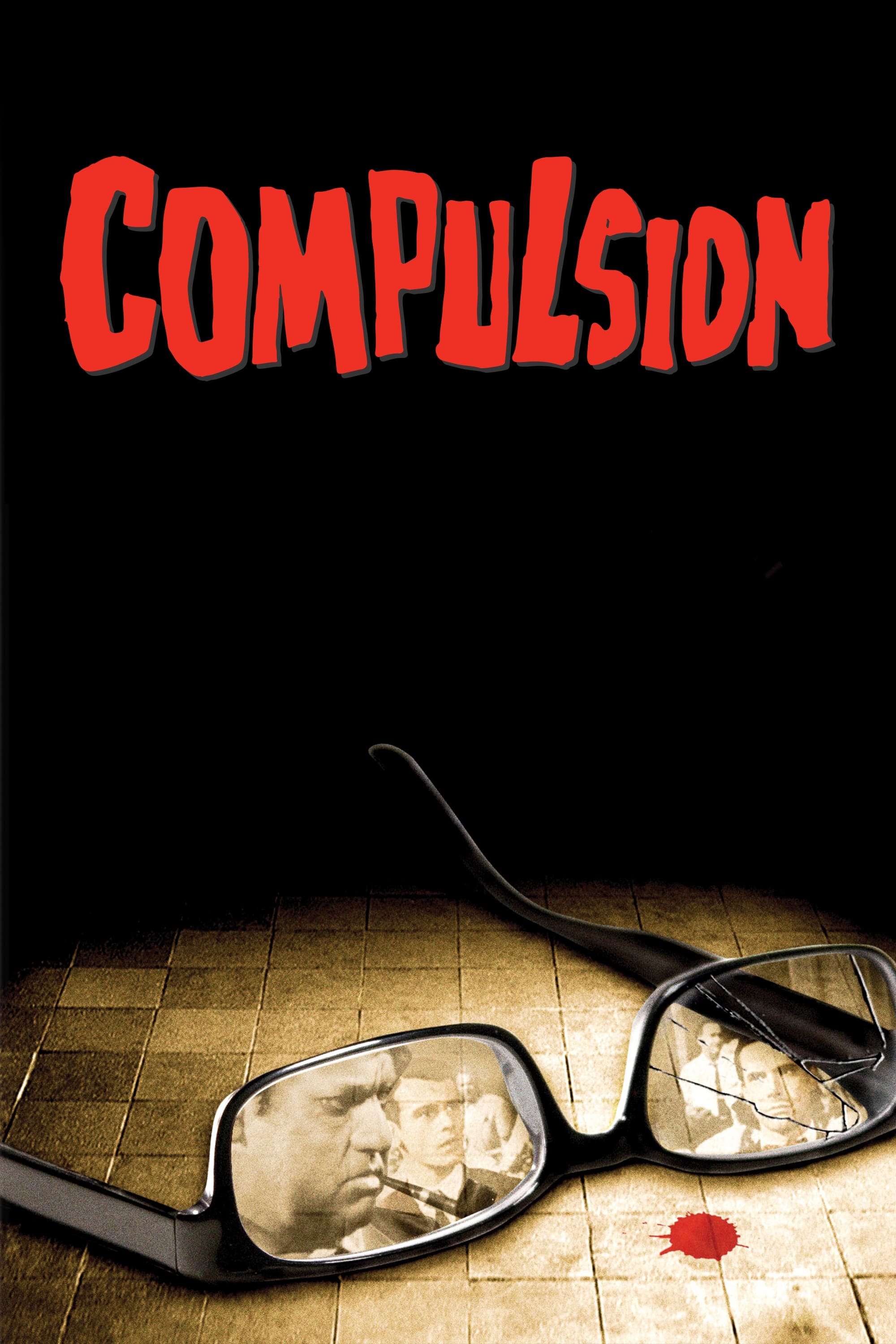
Plot Analysis Summary
A theory of intellectual superiority collapses under physical evidence, interrogation, and a final moral argument against capital punishment.
Story Structure — 5 Plot Phases
The Doctrine of Superiority
Judd presents himself as intellectually superior and challenges conventional ideas about law. His academic confidence and dependence on a dominant accomplice establish the psychological foundation for later crimes.
Key Events
-
Nietzschean Classroom Challenge — Judd challenges a lecture about tribal codes and argues that superior leaders may stand above their own laws. Characters: Judd Steiner
Location: University of Chicago classroom
-
Sid Questions Judd's Confidence — Sid marvels that Judd can challenge an esteemed professor without being sharply rebuked. Characters: Judd Steiner, Sid Brooks
Location: University of Chicago
-
Fraternity House Theft — Judd follows criminal instructions and steals money and a typewriter from a campus fraternity house. Characters: Judd Steiner
Location: Campus fraternity house
-
Failed Roadside Killing — Judd narrowly misses a drunken hitchhiker after refusing to run him over with the car. Characters: Judd Steiner
Location: Road outside Chicago
A Crime Becomes a Theory
Petty theft and a failed roadside killing reveal the escalation of the students' criminal thinking. Judd then proposes murder as a test of their supposed superiority.
Key Events
-
Superiority Must Be Proved — Judd proposes murdering a boy for ransom to prove their supposed intellectual superiority. Characters: Judd Steiner
Location: Inside the car
-
Victim Lured Homeward — Judd and an unnamed accomplice cruise for a victim and lure a neighbor boy on his way home from school. Characters: Judd Steiner
Location: Residential neighborhood
-
The Boy Is Killed — The two students kill the boy and believe they have committed a perfect crime. Characters: Judd Steiner
Location: Residential neighborhood
-
False Leads Offered — Judd's accomplice gives investigators false leads, including a teacher from their former school. Characters: Judd Steiner
Location: Victim's neighborhood
Evidence Closes In
After the boy is killed, false leads and a ransom scheme briefly support the illusion of a perfect crime. Sid's discovery of the mismatched glasses begins to connect the crime to Judd.
Key Events
-
Drowned Boy Assignment — Sid receives an assignment about a drowned boy found in a park. Characters: Sid Brooks
Location: Newspaper office
-
Glasses Become Evidence — Sid realizes the glasses found near the body are too large to belong to the victim. Characters: Sid Brooks
Location: Park crime scene
-
Distinctive Hinge Traced — The glasses have a distinctive hinge, and only three pairs were purchased locally, including Judd's pair. Characters: Sid Brooks, Judd Steiner
Location: Chicago investigation
-
Judd Cannot Produce Glasses — Judd cannot produce his glasses and claims he lost them while bird-watching with students. Characters: Judd Steiner
Location: Police inquiry
-
Ransom Evidence Threatens Them — The stolen typewriter used for the ransom note becomes dangerous evidence that must be discarded. Characters: Judd Steiner
Location: Judd's residence
The Alibi Collapses
Judd and his accomplice construct an alibi, but the chauffeur's statement exposes a contradiction involving Judd's car. The physical evidence and the failed story leave Judd increasingly vulnerable.
Key Events
-
Fabricated Alibi Created — Judd and his accomplice invent an alibi involving two girls whose full names they never learned. Characters: Judd Steiner
Location: Chicago streets
-
Chauffeur Contradicts Alibi — A chauffeur unintentionally reveals that Judd's car was being repaired throughout the claimed evening. Characters: Judd Steiner
Location: Steiner residence
-
Horn Begins Interrogation — Horn questions Judd and the other suspect intensively for hours about the murder. Characters: District Attorney Harold Horn, Judd Steiner
Location: District attorney's office
Confession and Mercy
Horn's prolonged interrogation produces mutual accusations and confirms the central facts of the crime. Wilk's closing argument against capital punishment prevents hanging, leaving the defendants with life sentences.
Key Events
-
Confessions Break the Defense — The interrogation produces confessions, with the other suspect first implicating Judd. Characters: District Attorney Harold Horn, Judd Steiner
Location: District attorney's office
-
Judd Confirms the Crime — Judd confirms the confession's details but insists the other suspect committed the actual murder. Characters: District Attorney Harold Horn, Judd Steiner
Location: District attorney's office
-
Wilk Takes the Case — Famed attorney Jonathan Wilk assumes the defense of Judd and the other defendant. Characters: Jonathan Wilk, Judd Steiner
Location: Courtroom
-
Closing Argument Against Death — Wilk delivers an impassioned closing argument against capital punishment while Horn represents the prosecution. Characters: Jonathan Wilk, District Attorney Harold Horn, Judd Steiner
Location: Courtroom
-
Life Sentences Imposed — Judd and the other defendant avoid hanging and receive life sentences instead. Characters: Jonathan Wilk, Judd Steiner
Location: Courtroom