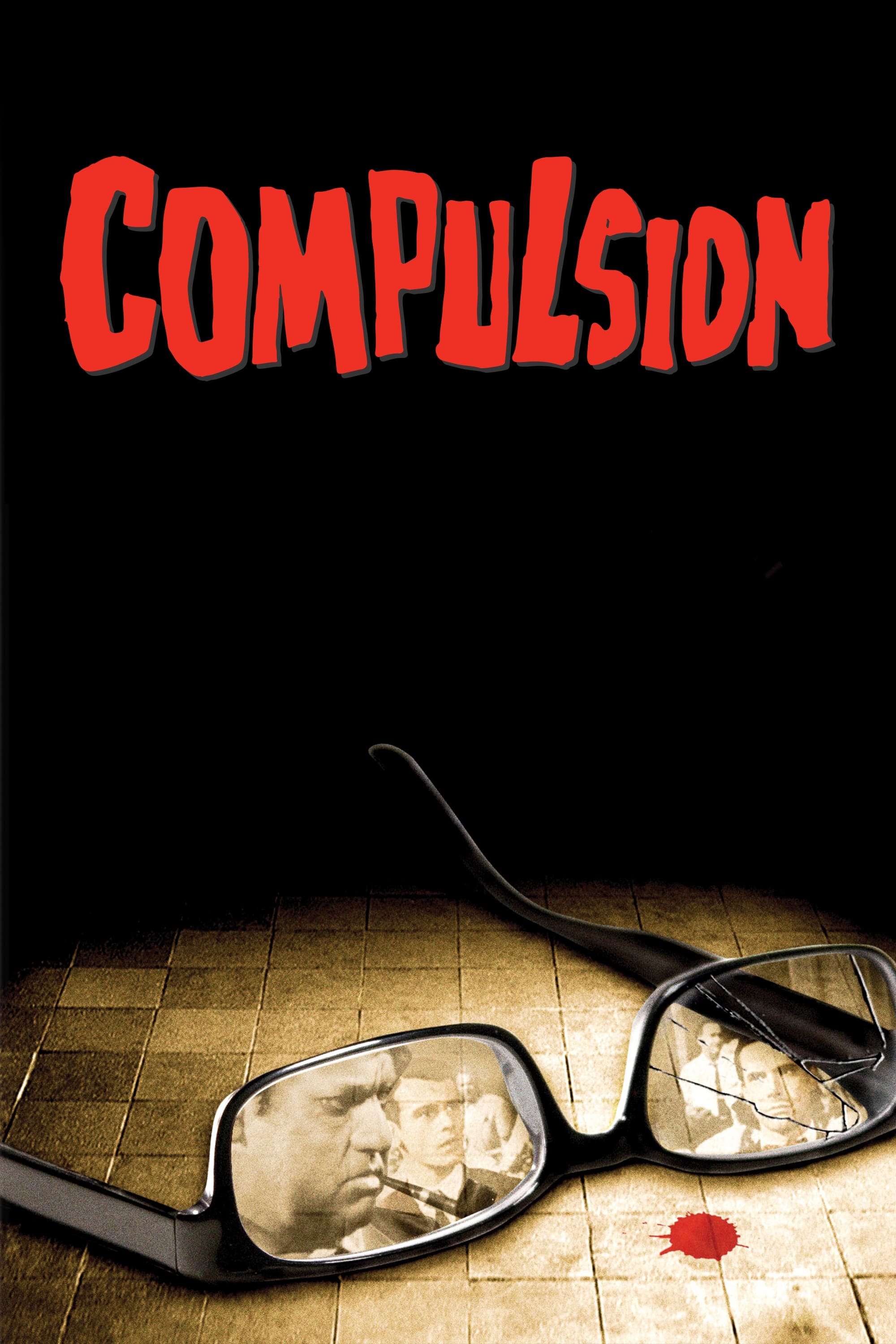
Compulsion (1959) character relationship network mapped with AI analysis. Explore the connections, alliances, and conflicts between characters.
Submissive graduate law student who follows dominant friend Artie's criminal commands. To prove their Nietzschean "superman" superiority, Judd proposes murdering a boy for ransom. He drops his distinc...
Famed attorney who takes the defense of Steiner and Straus. He delivers a passionate closing argument against capital punishment, successfully saving them from the death penalty. His legal strategy re...
Prosecutes the case by conducting intensive, hours-long interrogations of both suspects. His relentless questioning ultimately breaks their resistance, leading to their confessions and implicating eac...
Girlfriend of classmate Sid Brooks. Despite Judd having almost assaulted her, she expresses sympathy toward him during the investigation and trial proceedings.
Classmate and newspaper worker who discovers crucial evidence near the victim's body. He realizes the eyeglasses found do not belong to the victim but match Judd's distinctive pair, making them a key...
Family, romantic, and professional connections based on plot evidence.
Ruth Evans is explicitly identified as Sid Brooks's girlfriend.
Jonathan Wilk takes the case of the two defendants and argues against capital punishment on their behalf.
Alliances, conflicts, and narrative interactions that evolve throughout the story.
Sid discovers the distinctive eyeglasses evidence that becomes a key link in the police investigation and prosecution.
Ruth feels sympathy toward Judd despite his having almost assaulted her.
Horn prosecutes the murder case through interrogation, while Wilk represents the defendants and argues for a sentence short of capital punishment.
Horn conducts hours-long interrogations of Judd during the murder investigation, while Judd attempts to resist questioning and shift responsibility.
Sid is described as Judd's classmate at the University of Chicago, and the two interact in the academic setting.
A theory of intellectual superiority collapses under physical evidence, interrogation, and a final moral argument against capital punishment.
Directed by Richard Fleischer
Compulsion (1959) · 7.1/10 · crime, drama, history, thriller
Plot analysis generated from content on Wikipedia, licensed under CC BY-SA 4.0.
Related entry on Wikidata (Q1198236), public domain (CC0).