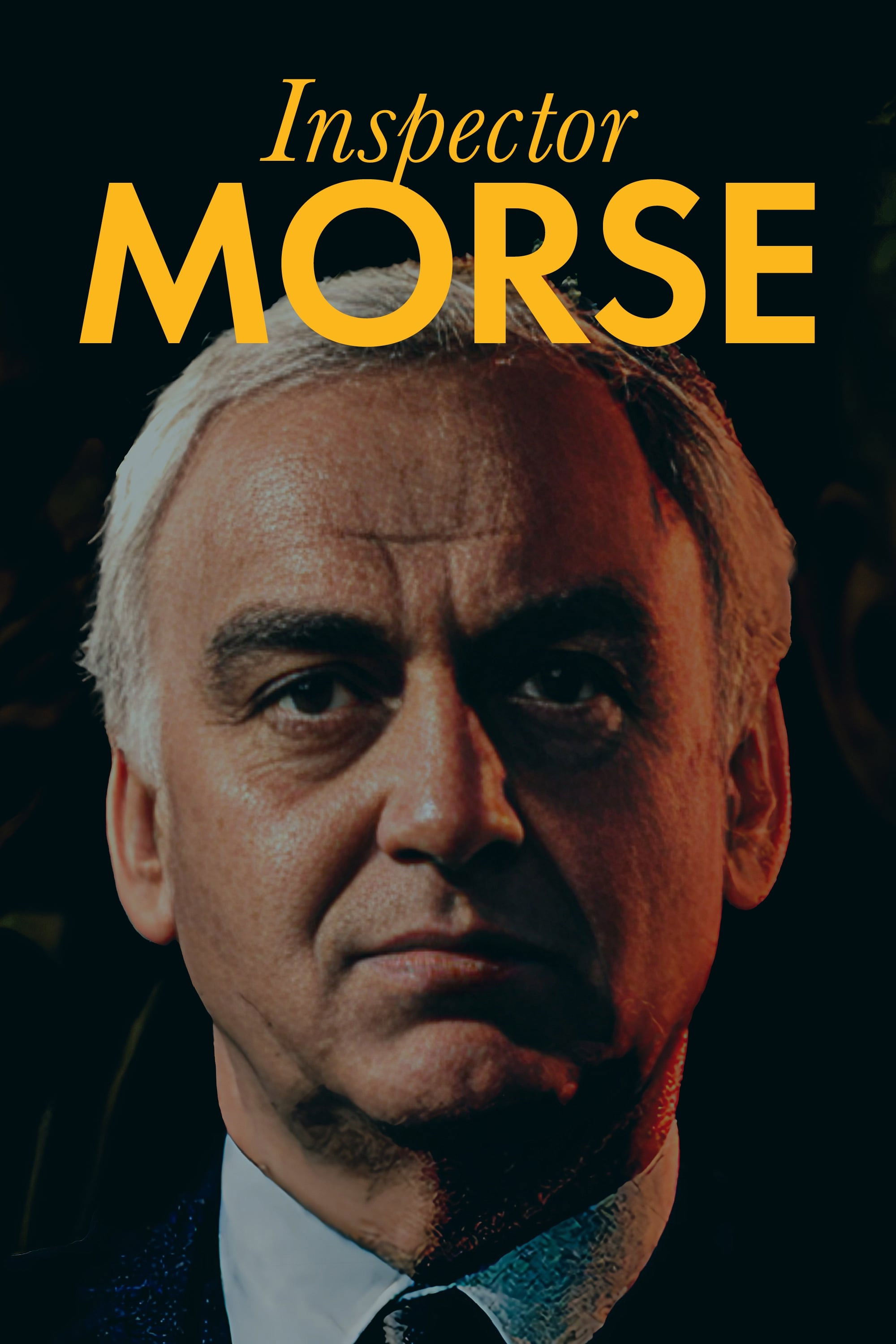
Inspector Morse (1987) interactive character relationship network and AI-powered story timeline. Explore the connections, alliances, and conflicts between characters across the narrative arc.
Across seven seasons, the series builds a recurring mystery structure in which apparently ordinary deaths expose concealed motives, institutional power, and personal histories.
Rating: 7.9/10 (146 votes)
The opening season establishes investigations in which presumed suicides, routine deaths, and respectable institutions conceal deliberate violence. Personal secrets and missing evidence repeatedly redirect the inquiries.
The second season broadens the cases from stolen cultural objects to missing people, ritual murder, and workplace corruption. Romantic and social contexts remain inseparable from the investigative process.
Academic rivalry, false identities, old friendships, and jealousy drive the investigations. The death of a returning college acquaintance gives the season a particularly personal and tragic centre.
The fourth season emphasizes influential colleges, family businesses, sexual jealousy, and a direct attempt to frame the investigator. Authority and reputation repeatedly interfere with the search for truth.
Past crimes, missing records, religious politics, artistic debts, and an international search give the season a retrospective quality. Earlier actions continue to produce consequences in the present.
The cases increasingly involve former relationships, powerful families, prisons, international crime, and teenage suicide. The investigative world becomes more emotionally costly and morally complex.
The final season moves from medical threats to prison escape and public shootings. Violence reaches prominent institutions and public ceremonies, producing a tense and unresolved final phase.
Plot analysis generated from content on Wikipedia, licensed under CC BY-SA 4.0.
Related entry on Wikidata (Q2685847), public domain (CC0).