Story Structure — 4 Plot Phases
Origins of Exploitation
The documentary opens by tracing the roots of American exploitation cinema from Thomas Edison's early experiments to the emergence of independent grindhouse theaters. Archival footage establishes the historical foundation and exhibition landscape that defined the genre.
Key Events
-
Documentary Introduction — Robert Forster introduces the documentary's focus on American exploitation cinema.
Location: Documentary Studio
-
Thomas Edison Era Overview — The documentary traces the genre's origins back to Thomas Edison's early productions.
Location: Historical Archive
-
Early Grindhouse Theaters — Archival footage showcases the rise of independent grindhouse exhibition venues.
Location: Historical Archive
-
John Landis Interview — John Landis discusses the foundational elements of exploitation filmmaking.
Location: Interview Setting
-
Joe Dante Perspective — Joe Dante shares insights on directing within the exploitation genre.
Location: Interview Setting
-
Jack Hill on B-Movies — Jack Hill explains the craft and constraints of low-budget filmmaking.
Location: Interview Setting
Voices of the Craft
A series of interviews with prominent directors and actors reveals the practical realities, creative constraints, and stylistic innovations of low-budget filmmaking. Contributors discuss how exploitation cinema fostered artistic freedom and cult appeal.
Key Events
-
Jack Hill on B-Movies — Jack Hill explains the craft and constraints of low-budget filmmaking.
Location: Interview Setting
-
Don Edmonds Production Realities — Don Edmonds details the practical challenges of producing grindhouse films.
Location: Interview Setting
-
Fred Williamson Actor View — Fred Williamson reflects on his experiences as an actor in exploitation cinema.
Location: Interview Setting
-
Allison Anders Modern Take — Allison Anders discusses how contemporary filmmakers reinterpret genre tropes.
Location: Interview Setting
-
James Gordon White Evolution — James Gordon White analyzes the stylistic evolution of exploitation films.
Location: Interview Setting
-
Larry Cohen Creative Freedom — Larry Cohen emphasizes the artistic liberty granted by low-budget constraints.
Location: Interview Setting
-
William Lustig Cult Classics — William Lustig explores how exploitation films achieve cult status over time.
Location: Interview Setting
-
Herschell Gordon Lewis Shock Value — Herschell Gordon Lewis discusses the deliberate use of sensationalism in early films.
Location: Interview Setting
Historical Context and Preservation
Film historians and archivists step in to analyze the cultural significance of exploitation films and the urgent need to restore original prints. The narrative shifts toward academic evaluation and the safeguarding of cinematic heritage.
Key Events
-
Herschell Gordon Lewis Shock Value — Herschell Gordon Lewis discusses the deliberate use of sensationalism in early films.
Location: Interview Setting
-
Judy Brown Industry Shifts — Judy Brown reflects on how the industry changed during her career.
Location: Interview Setting
-
Jeremy Kasten Archival Work — Jeremy Kasten highlights the importance of preserving original exploitation prints.
Location: Film Archive
-
Jonathan Kaplan Challenges — Jonathan Kaplan outlines the logistical hurdles faced by independent directors.
Location: Interview Setting
-
Bob Minor Preservation — Bob Minor advocates for the cultural preservation of grindhouse cinema.
Location: Interview Setting
-
Lewis Teague Contemporary Impact — Lewis Teague examines how exploitation aesthetics influence modern filmmaking.
Location: Interview Setting
Modern Legacy and Conclusion
The documentary culminates by examining how contemporary 21st-century filmmakers continue to draw inspiration from exploitation aesthetics. The final segments affirm the genre's enduring influence and cultural relevance.
Key Events
-
Lewis Teague Contemporary Impact — Lewis Teague examines how exploitation aesthetics influence modern filmmaking.
Location: Interview Setting
-
Historians Cultural Context — Film historians provide scholarly analysis of the genre's societal impact.
Location: Academic Setting
-
Legacy Analysis — Historians synthesize the enduring influence of American exploitation films.
Location: Academic Setting
-
21st Century Conclusion — The documentary concludes by highlighting contemporary exploitation films and their legacy.
Location: Documentary Studio
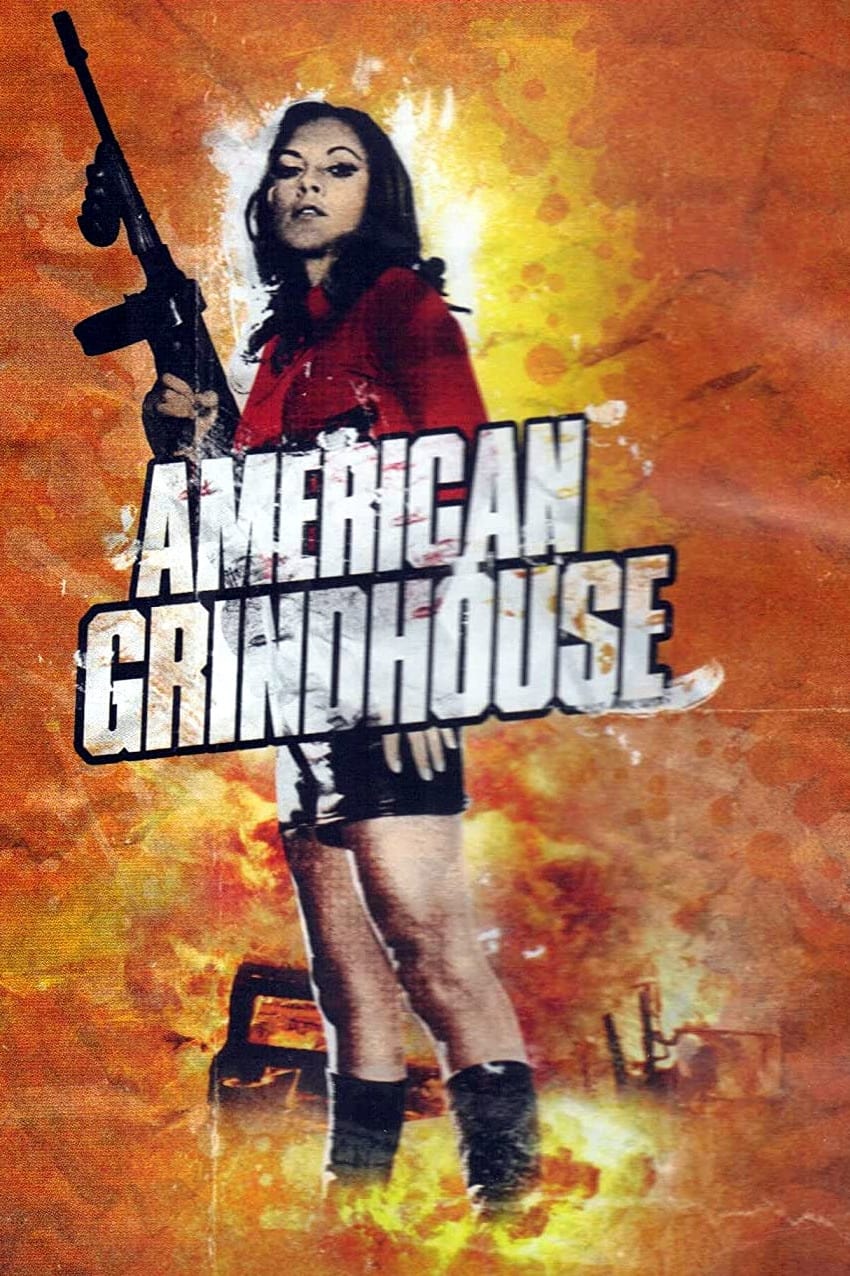
This documentary explores the hidden history of the American Exploitation Film. The movie digs deep into this often overlooked category of U.S. cinema and unearths the shameless and occasionally shocking origins of this popular entertainment.