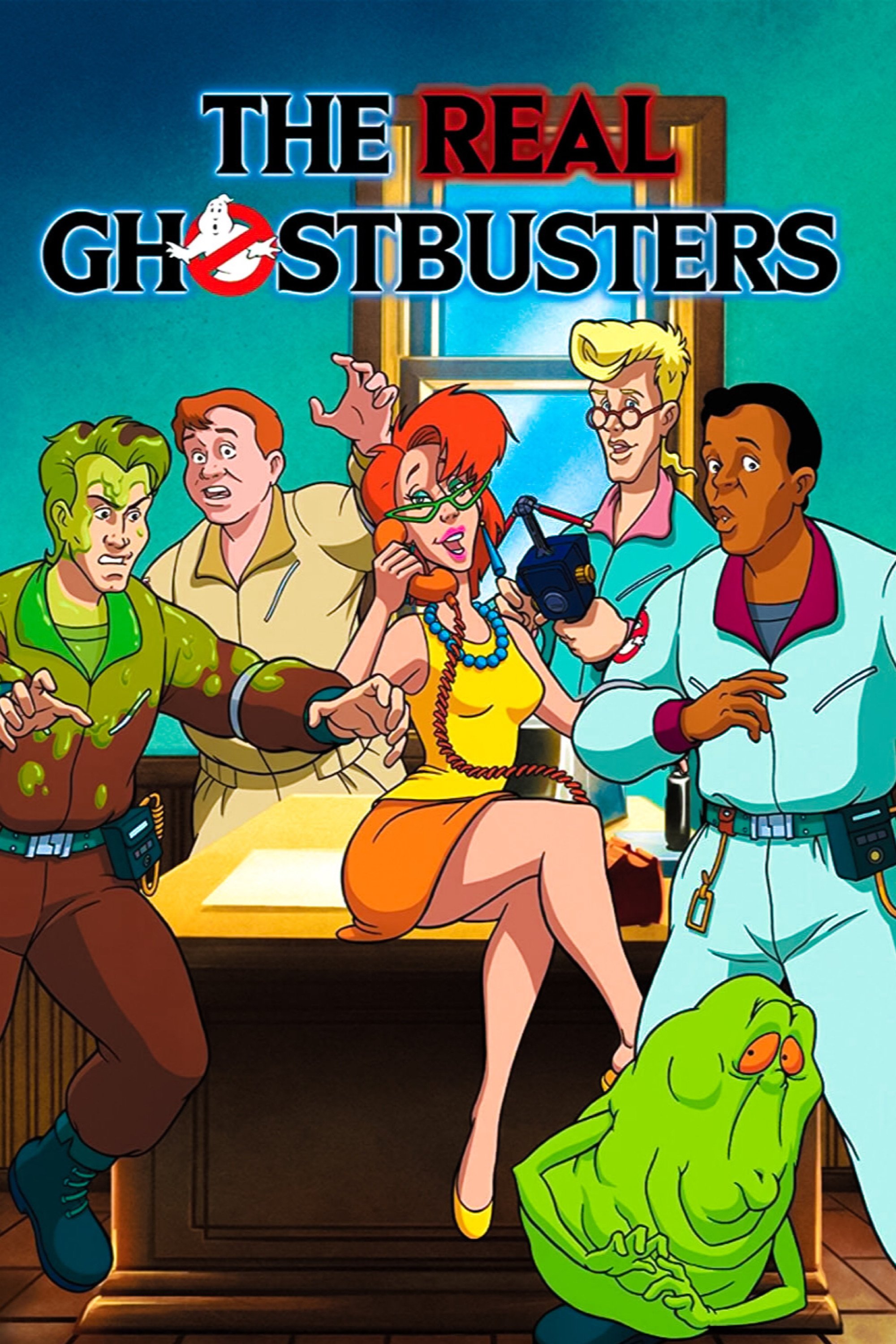
The Real Ghostbusters (1986) character relationship network mapped with AI analysis. Explore the connections, alliances, and conflicts between characters.
Characters
Janine Melnitz
(played by Kath Soucie) — supporting
Winston Zeddemore
(played by Buster Jones) — supporting
Louis Tully
(played by Rodger Bumpass) — cameo
Serves as the accountant for the Ghostbusters, providing administrative support while the team chases and captures ghosts around New York City and other areas.
Samhain
(played by Bill Martin) — cameo
Canonical Relationships
Family, romantic, and professional connections based on plot evidence.
Winston Zeddemore → Louis Tully
(Operational colleagues) — Their relationship links field operations with accounting and administrative continuity.
"Louis serves as the Ghostbusters' accountant, and Winston remains a core field member. Episodes involving Louis place both characters within the same...
Story Dynamics
Alliances, conflicts, and narrative interactions that evolve throughout the story.
Winston Zeddemore → Samhain
(Ghostbuster and supernatural adversary) — Winston represents the team against Samhain's attempt to impose an eternal supernatural order on the human world.
"In Season 1, Samhain is released from imprisonment and attempts to make Halloween eternal by stopping time. Winston participates in the Ghostbusters'...
Winston Zeddemore → Janine Melnitz
(Trusted teammates) — Winston and Janine repeatedly cooperate when the team is divided, threatened, or deprived of normal equipment.
"Janine joins or supports the team during incidents such as the subway crisis, the vampire investigation, the shrinking incident, and the firehouse em...
Janine Melnitz → Louis Tully
(Firehouse support alliance) — They form part of the non-field support structure that helps the Ghostbusters continue operating.
"Both characters are connected to the Ghostbusters' continuing administrative and domestic life, including incidents involving the firehouse and Louis...
Story Analysis
The series follows a professional ghost-catching organization as ordinary urban problems expand into dimensional, temporal, mythic, and identity-based supernatural crises.
Plot Progression
Season 1: Establishing the Firehouse
— The Ghostbusters establish their working routine while facing electrical, domestic, dimensional, and seasonal supernatural threats. The release of Samhain provides the season's clearest mythic escalat...
Season 2: Expanding the Threat Map
— Cases spread across subway systems, television networks, oceans, libraries, and other dimensions. The team repeatedly protects the boundary between ordinary society and increasingly complex supernatur...
Season 3: Identity Under Attack
— The team confronts mutations, hostile counterparts, technological rivals, and infiltrators inside headquarters. Personal identity and institutional trust become as important as ghost capture.
Season 4: The Post-Film Organization
— The post-film setting places more emphasis on the Ghostbusters' continuing organization and domestic base. Possession, pollution, and temporal danger test both the team and its infrastructure.
Season 5: Transformations and Invasions
— Supernatural forces alter bodies, identities, technologies, and the firehouse itself. The stories combine personal vulnerability with recurring threats to the team's equipment and continuity.
Season 6: Mythic Escalation
— Ancient gods, books, demons, and dimensional beings broaden the scale of the conflicts. The Ghostbusters remain defenders of both their headquarters and the wider human world.
Season 7: Firehouse and World Defense
— The available final-season stories return to treasure, giant creatures, the firehouse, and an ancient insect god. The series closes its supplied material by preserving the team’s recurring defender ro...
The Real Ghostbusters (1986) · 7.7/10 · action-adventure, animation, comedy, kids, sci-fi-fantasy, family