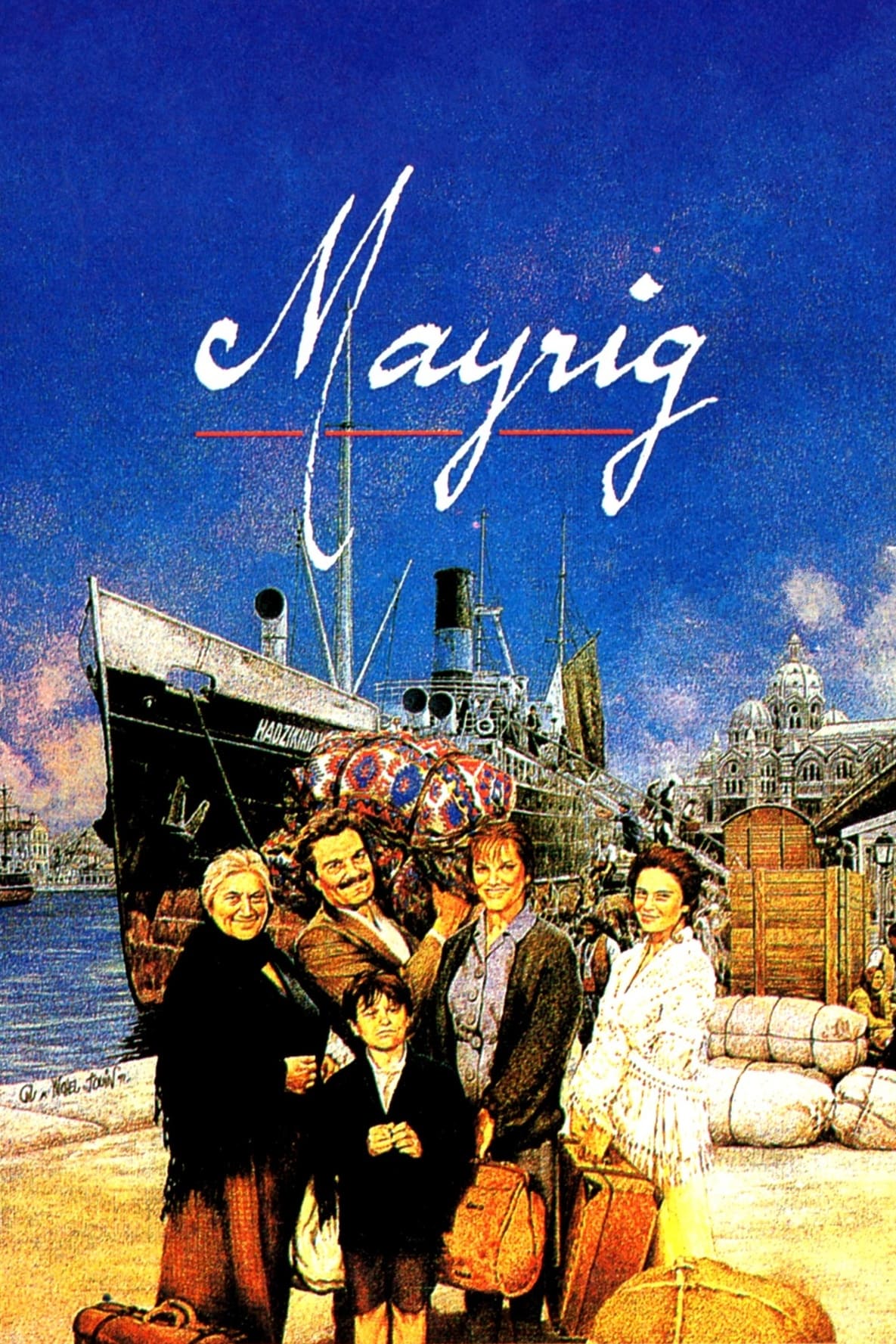
Plot Analysis Summary
A refugee family's twenty-year journey of survival, integration, and memory in post-genocide France.
Story Structure — 4 Plot Phases
Exile and Arrival
The film opens with the Berlin trial of Soghomon Tehlirian, contextualizing the Armenian genocide. The Zakarian family flees the Ottoman Empire and arrives in Marseilles, France, seeking refuge.
Key Events
-
Berlin Court Trial — Tehlirian stands trial for assassinating a genocide plotter. Location: Berlin
-
Ottoman Persecution — The family faces severe persecution prompting their escape. Location: Ottoman Empire
-
Flight to Marseilles — The family arrives in France seeking refuge from genocide. Location: Marseilles
-
Kitchen Access Denial — Neighbors block the family from using the shared kitchen. Location: Apartment
-
Marseilles Refuge — The primary setting where the family establishes temporary shelter. Location: Marseilles
Hostile Reception
The family faces immediate hostility from French neighbors and landlords over kitchen access and bedbugs. Azad endures heavy school bullying and religious mockery from a Catholic priest.
Key Events
-
Kitchen Access Denial — Neighbors block the family from using the shared kitchen. Location: Apartment
-
Bedbug Accusation — The landlord falsely blames the family for infestation. Location: Apartment
-
School Bullying — Azad endures heavy harassment from peers at school. Location: School
-
Religious Mockery — A priest openly mocks Azad's Armenian Christian faith. Location: Church
-
Job Hunting Struggle — Family members face systemic barriers to employment. Location: City
-
Language Barrier — Communication difficulties isolate the family in daily life. Location: Market
Struggle for Integration
Azad and his family confront systemic barriers including language issues, unemployment, and cultural isolation. Flashbacks reveal the traumatic genocide period that shaped their refugee status.
Key Events
-
Language Barrier — Communication difficulties isolate the family in daily life. Location: Market
-
Genocide Flashback — Six-year-old Azad recalls traumatic events from the genocide. Location: Turkey
-
Family Bonding — Relatives support each other through prolonged hardship. Location: Home
-
Integration Attempts — The family makes ongoing efforts to adapt to French norms. Location: Marseilles
-
Cultural Isolation — Azad feels increasingly alienated from his surroundings. Location: Neighborhood
-
Educational Friction — Academic environment remains hostile and exclusionary. Location: School
Legacy of Memory
The narrative reflects on the twenty-year journey of survival and adaptation in a foreign land. The story concludes by tying the family's personal history to the broader historical context of survival and identity.
Key Events
-
Educational Friction — Academic environment remains hostile and exclusionary. Location: School
-
Economic Hardship — Financial strain worsens as unemployment persists. Location: Home
-
Memory Reflection — The narrative shifts to adult reflection on past trauma. Location: Present
-
Twenty-Year Span — A chronological summary of the family's prolonged survival. Location: Montage
-
Refugee Identity — Azad accepts his dual identity as refugee and French resident. Location: Marseilles
-
Historical Closure — The trial context resolves the opening historical frame. Location: Berlin
Henri Verneuil was born Achod Malakian of Armenian parentage on October 15, 1920, in Rodosto, Turkey, and his family fled to France and settled in Marseilles when he was a young child. He later recounted his childhood experience in the novel Mayrig, which he dedicated to his mother and made into this 1991 film with the same name.