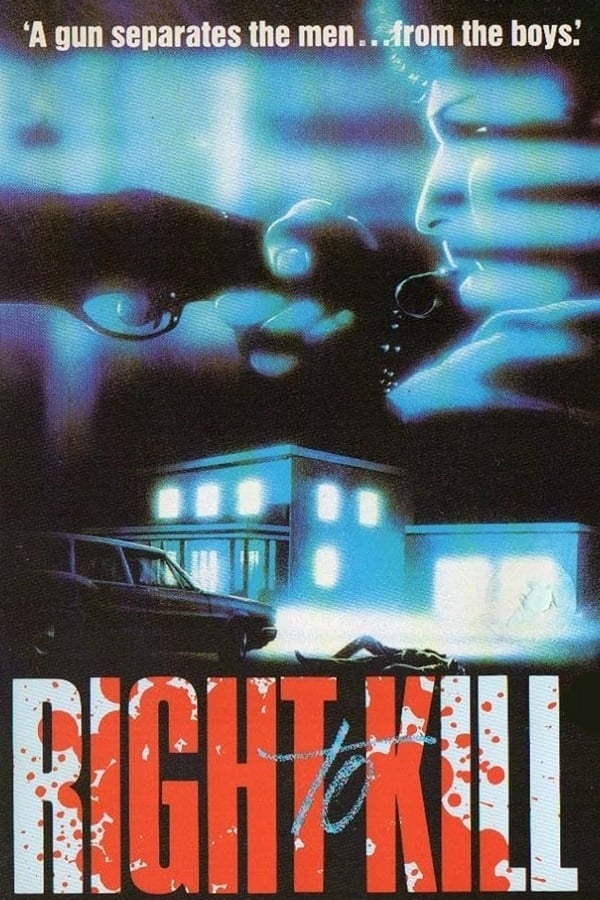
Plot Analysis Summary
An abused daughter becomes legally implicated in her father's killing, forcing a moral examination of violence, family authority, and justice.
Story Structure — 5 Plot Phases
A House Shaped By Abuse
The story introduces Deborah Jahnke and her father, Richard Jahnke, Sr., in a Wyoming household. His psychological and physical abuse establishes the central conflict.
Key Events
-
Wyoming Household — The story is situated around two teens living in Wyoming with their abusive father. Characters: Richard Jahnke, Sr., Deborah Jahnke
Location: Wyoming
-
Family Structure Established — Richard Jahnke, Sr. is established as Deborah Jahnke's father. Characters: Richard Jahnke, Sr., Deborah Jahnke
Location: Wyoming
-
Abusive Home — The household is defined by Richard Jahnke, Sr.'s psychotically abusive behavior. Characters: Richard Jahnke, Sr., Deborah Jahnke
Location: Wyoming
-
Emotional Abuse — Deborah is identified as an emotionally abused daughter. Characters: Richard Jahnke, Sr., Deborah Jahnke
Location: Wyoming
-
Physical Abuse — The synopsis specifically describes Deborah as physically abused by her father. Characters: Richard Jahnke, Sr., Deborah Jahnke
Location: Wyoming
-
Abuse Defines Conflict — The abusive father-daughter relationship becomes the story's central conflict. Characters: Richard Jahnke, Sr., Deborah Jahnke
Location: Wyoming
The Violent Breaking Point
The abusive father-daughter relationship becomes increasingly dangerous. The central violent event is the killing of Richard Jahnke, Sr.
Key Events
-
Abuse Defines Conflict — The abusive father-daughter relationship becomes the story's central conflict. Characters: Richard Jahnke, Sr., Deborah Jahnke
Location: Wyoming
-
Teenage Vulnerability — Deborah's status as a teenager intensifies the significance of the abuse described. Characters: Deborah Jahnke
Location: Wyoming
-
Dangerous Family Dynamic — The family situation is presented as psychologically and physically dangerous. Characters: Richard Jahnke, Sr., Deborah Jahnke
Location: Wyoming
-
Killing Occurs — The central violent event is the killing of Richard Jahnke, Sr. Characters: Richard Jahnke, Sr., Deborah Jahnke
Location: Wyoming
-
Father's Death — Richard Jahnke, Sr.'s death changes the family conflict into a legal case. Characters: Richard Jahnke, Sr., Deborah Jahnke
Location: Wyoming
-
Deborah Charged — Deborah Jahnke is charged in connection with her father's killing. Characters: Deborah Jahnke, Richard Jahnke, Sr.
Location: Unspecified legal setting
A Daughter Charged
Deborah Jahnke is charged for the killing of her father. Her position as an abused daughter now conflicts with her position as a defendant.
Key Events
-
Deborah Charged — Deborah Jahnke is charged in connection with her father's killing. Characters: Deborah Jahnke, Richard Jahnke, Sr.
Location: Unspecified legal setting
-
Victim Becomes Defendant — Deborah's abuse history contrasts with her status as a person charged in the killing. Characters: Deborah Jahnke, Richard Jahnke, Sr.
Location: Unspecified legal setting
-
Moral Question Emerges — The case raises the film's central question about the right to kill an abusive parent. Characters: Deborah Jahnke, Richard Jahnke, Sr.
Location: Unspecified legal setting
-
Abuse Reconsidered — The charges force attention onto the abuse that preceded the killing. Characters: Deborah Jahnke, Richard Jahnke, Sr.
Location: Unspecified legal setting
-
Family And Law Collide — The father-daughter conflict is reframed through the consequences of the criminal charge. Characters: Deborah Jahnke, Richard Jahnke, Sr.
Location: Unspecified legal setting
The Moral Reckoning
The case focuses attention on the abuse that preceded the killing and on the moral question implied by the title. The father-daughter conflict is reconsidered through legal consequences.
Key Events
-
Family And Law Collide — The father-daughter conflict is reframed through the consequences of the criminal charge. Characters: Deborah Jahnke, Richard Jahnke, Sr.
Location: Unspecified legal setting
-
Deborah's Perspective — Deborah's experience as an abused daughter is central to the film's perspective. Characters: Deborah Jahnke
Location: Unspecified legal setting
-
Father's Role Reexamined — Richard Jahnke, Sr. is considered both as a father and as the alleged abuser at the center of the case. Characters: Richard Jahnke, Sr., Deborah Jahnke
Location: Unspecified legal setting
-
Charge Reaches Its Peak — The conflict reaches its peak through Deborah's charge for her father's killing. Characters: Deborah Jahnke, Richard Jahnke, Sr.
Location: Unspecified legal setting
The Unanswered Question
The story concludes with the human and legal implications of abuse, death, and prosecution. Its central issue remains whether extreme abuse can justify killing.
Key Events
-
Case's Human Cost — The case is framed through the human cost of abuse, death, and prosecution. Characters: Deborah Jahnke, Richard Jahnke, Sr.
Location: Unspecified legal setting
-
Right To Kill Question — The story closes around the unresolved moral and legal question expressed by the title. Characters: Deborah Jahnke, Richard Jahnke, Sr.
Location: Unspecified legal setting