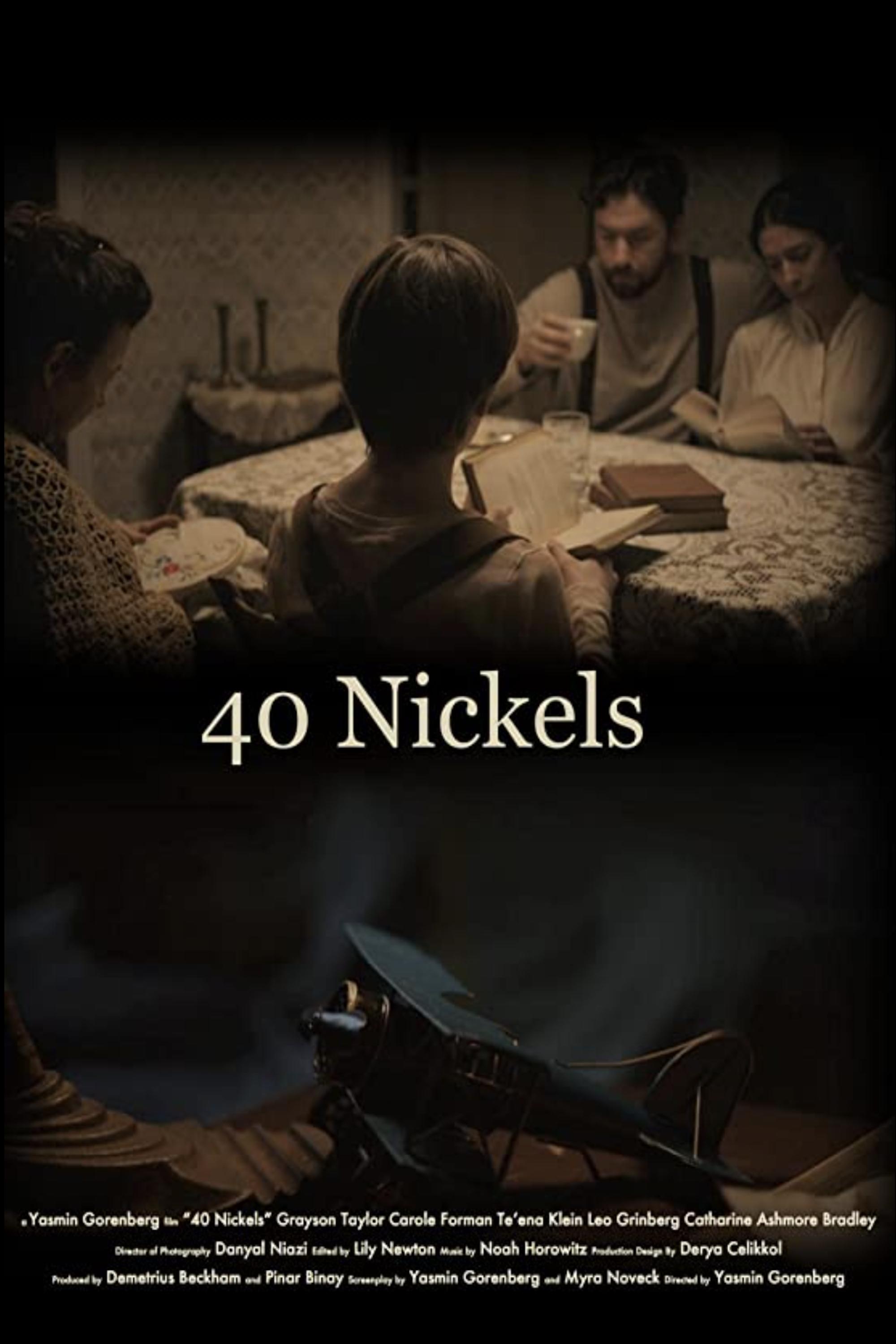
Plot Analysis Summary
A family history connects immigrant trauma to the possibility of inherited hope, resilience, and wonder.
Story Structure — 4 Plot Phases
A Family Rooted In St. Louis
The film begins with a story based on a grandfather's boyhood in St. Louis. It introduces the immigrant generations who built lives in the United States during the 1920s and 1930s.
Key Events
-
Grandfather's Boyhood Story — The film is based on the grandfather's boyhood in St. Louis.
Location: St. Louis
-
St. Louis Setting — St. Louis provides the central American setting for the family history.
Location: St. Louis
-
Immigrant Generation Arrives — The story focuses on immigrants to the United States during the 1920s and 1930s.
Location: United States
-
The 1920s Experience — The film captures the experience of a generation of immigrants in the 1920s.
Location: United States
-
The 1930s Experience — The narrative continues through the immigrant experience of the 1930s.
Location: United States
-
Eastern European Pogroms — The film places the family's history against the background of the 1919 pogroms.
Location: Eastern Europe
The Shadow Of The Pogroms
The family's American experience is connected to the 1919 pogroms in Eastern Europe. Historical violence becomes the source of pain carried by refugee parents.
Key Events
-
Eastern European Pogroms — The film places the family's history against the background of the 1919 pogroms.
Location: Eastern Europe
-
Historical Pain Travels — Violence in Eastern Europe becomes the historical source of inherited family pain.
Location: Eastern Europe
-
Refugee Parents' Trauma — Refugee parents carry the pain of displacement and earlier violence.
Location: United States
-
Pain Reaches Children — The story examines how parental trauma is passed to children.
Location: Family history
-
Family Trauma Persists — The film states that trauma never fully leaves a family.
Location: Family history
-
Parents And Children — The central subject becomes the emotional relationship between parents and children.
Location: Family history
Trauma Between Generations
The narrative examines how parental trauma reaches children and remains within a family. Fear becomes part of the way the next generation may understand the world.
Key Events
-
Parents And Children — The central subject becomes the emotional relationship between parents and children.
Location: Family history
-
Fear Shapes Perception — Inherited trauma influences how a new generation may see the world.
Location: United States
-
Hope Enters The Story — Hope is presented as a force capable of overcoming inherited pain.
Location: Family history
-
Resilience Is Inherited — The film contrasts transmitted trauma with resilience passed down through generations.
Location: Family history
-
A Generational Question — The narrative asks whether a new generation can see the world differently.
Location: Family history
-
Wonder Versus Fear — Wonder is posed as an alternative to a worldview shaped by fear.
Location: United States
Wonder Beyond Fear
Hope and resilience are presented as forces that can also be passed down. The film asks whether a new generation can choose wonder instead of inheriting only fear.
Key Events
-
Wonder Versus Fear — Wonder is posed as an alternative to a worldview shaped by fear.
Location: United States
-
The Weight Of History — The legacy of the pogroms remains connected to later family experience.
Location: Eastern Europe
-
Choosing Hope — Hope and resilience emerge as possible responses to inherited suffering.
Location: Family history
-
A New Perspective — The story moves toward the possibility of viewing life with wonder rather than fear.
Location: United States
-
Hope Across Generations — The film concludes by emphasizing hope and resilience as inheritances alongside trauma.
Location: Family history