Story Structure — 4 Plot Phases
The Hidden Hunger Crisis
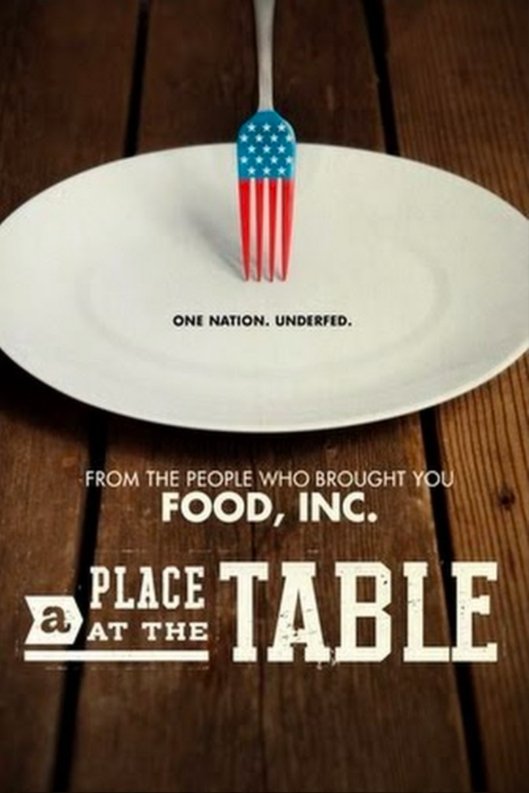
The documentary opens with stark statistics on American food insecurity, introducing Barbie, Rosie, and Tremonica as representative cases. Their daily struggles highlight the widespread nature of the problem across different demographics.
Key Events
-
National Hunger Statistics — Introduction of 50 million Americans facing food insecurity.
Location: United States
-
Barbie's Single Motherhood — Barbie struggles to provide a better life for her two children.
Location: Philadelphia
-
Rosie's Community Dependence — Rosie relies on friends and neighbors to survive hunger.
Location: Colorado
Daily Struggles and Systemic Gaps
The narrative expands to include the cop's financial reality and the direct health and academic impacts on children. Food bank reliance and empty calories are examined as symptoms of deeper systemic failures.
Key Events
-
Tremonica's Health Crisis — Tremonica's asthma worsens due to poor nutrition.
Location: Mississippi
-
Cop's Financial Reality — A police officer's salary only covers two weeks of food.
Location: Police Station
-
Empty Calories Impact — Analysis of how cheap food harms children's health.
Location: Home
-
School Concentration Issues — Hunger directly impairs students' academic performance.
Location: School
Economic and Social Repercussions
The film shifts to a broader analysis of hunger's economic, social, and cultural implications. Policy barriers and government assistance debates reveal the structural obstacles preventing solutions.
Key Events
-
Food Bank Utilization — Working individuals forced to rely on emergency food assistance.
Location: Food Bank
-
Economic Implications — Examination of hunger's broader economic consequences.
Location: National
-
Social Repercussions — Discussion of how food insecurity fractures social stability.
Location: Communities
-
Cultural Shifts — Analysis of changing cultural attitudes toward food access.
Location: Society
A Path Forward
The documentary concludes with a call to action, urging the American public to decide that affordable healthy food is a collective priority. Historical precedents and community efforts provide a hopeful vision for resolution.
Key Events
-
Policy Barrier Examination — Identification of systemic obstacles to affordable nutrition.
Location: Government
-
Public Awareness Campaign — Filmmakers highlight the crisis to mobilize public opinion.
Location: Media
-
Affordable Food Advocacy — Calls for making healthy food available and affordable.
Location: Public Square
-
Historical Precedent Reference — Reference to past public decisions that solved similar crises.
Location: History
-
Community Support Networks — Grassroots efforts to fill the gaps left by systemic failures.
Location: Neighborhood
-
Government Assistance Debate — Debate over federal food assistance programs and funding.
Location: Capitol
-
Call for Public Decision — Urgent appeal for citizens to prioritize food security.
Location: Nationwide
-
Hopeful Resolution Vision — Envisioning a future where hunger is solved once and for all.
Location: Future
-
Documentary Conclusion — Final message emphasizing collective responsibility and hope.
Location: Screen