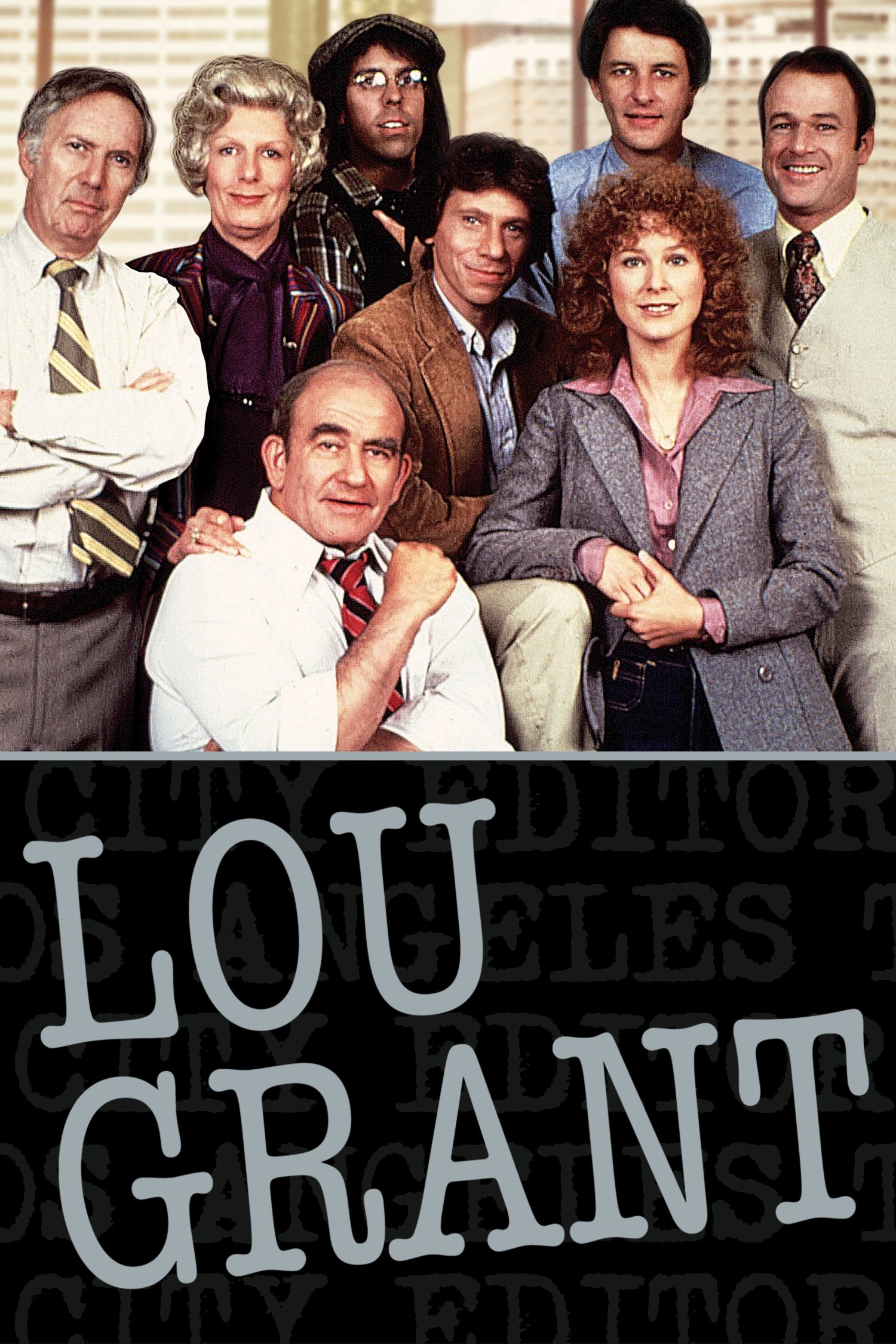
Lou Grant (1977) character relationship network mapped with AI analysis. Explore the connections, alliances, and conflicts between characters.
Characters
Lou Grant
(played by Ed Asner) — protagonist
American newspaper editor and title protagonist of the CBS drama series. Portrayed by Ed Asner, the character originated from The Mary Tyler Moore Show and won multiple Primetime Emmy Awards for Outst...
Joe Rossi
(played by Robert Walden) — protagonist
Billie Newman
(played by Linda Kelsey) — supporting
Charlie Hume
(played by Mason Adams) — supporting
Art Donovan
(played by Jack Bannon) — supporting
Margaret Pynchon
(played by Nancy Marchand) — supporting
Adam Wilson
(played by Allen Williams) — supporting
Canonical Relationships
Family, romantic, and professional connections based on plot evidence.
Lou Grant → Charlie Hume
(Editor/Reporter) — Charlie serves as Lou's direct editor, assigning key stories and guiding his professional output.
"Episode 4 details Charlie giving Lou his first story assignment in years during his hometown trip."
Lou Grant → Adam Wilson
(Mentor-Employee) — Lou actively supports Adam through personal struggles, blurring professional boundaries with personal intervention.
"Lou sticks his neck out to try and help Adam, who develops a serious drinking problem."
Joe Rossi → Lou Grant
(Colleagues) — Rossi and Lou navigate shared newsroom responsibilities while managing differing emotional approaches to assignments.
"Episode 2 highlights Rossi developing sympathy for Kitty while Lou holds personal bias against her."
Lou Grant → Art Donovan
(Colleagues) — Lou and Art share the Tribune workplace, balancing field assignments with personal life demands.
"Episodes 5 and 13 depict both as active Tribune staff members navigating personal and professional challenges simultaneously."
Charlie Hume → Joe Rossi
(Editor/Reporter) — Charlie oversees Rossi's reporting duties, providing editorial direction and story assignments.
"Episode 4 establishes Charlie's role in assigning stories to Tribune staff, including Rossi's coverage work."
Art Donovan → Billie Newman
(Tribune Colleagues) — Both are established Tribune staff members who interact within the newsroom environment.
"Episode 5 places both characters within the same Tribune staff context, with separate professional and personal storylines."
Lou Grant → Billie Newman
(Mentor) — Senior editor guiding junior reporters through professional challenges and ethical boundaries.
"Lou oversees editorial assignments and offers career advice to aspiring journalists, while Billie navigates complex source dynamics and ethical dilem...
Story Dynamics
Alliances, conflicts, and narrative interactions that evolve throughout the story.
Lou Grant → Margaret Pynchon
(Editorial Rival) — A direct power struggle over story assignment control and editorial authority.
"Lou clashes with the head of the women's section over which reporter should cover the alleged murder of a famous playwright."
Billie Newman → Joe Rossi
(Colleagues) — Both navigate the Tribune's ethical challenges and public scrutiny as part of the same newsroom team.
"The Trib learns a hard lesson about what happens when private lives become public from Rossi's tough coverage."
Story Analysis
Comprehensive story structure tracking character development across provided seasons
Plot Progression
Season 1: Baseline Establishment
— Art Donovan operates within standard newsroom dynamics, establishing professional routines before personal challenges emerge.
Season 2: Grief and Support
— Art faces his mother's terminal illness, experiencing denial and workplace strain before receiving crucial colleague support.
Season 3: Ethical Trials
— Art navigates his cousin's murder trial, confronting journalistic ethics versus familial loyalty and learning professional boundaries.
Season 5: Field Expansion
— Art transitions into high-stakes field reporting and volunteer rescue operations, broadening his professional identity.
Cross-Season: Character Synthesis
— Art's journey culminates in a balanced professional identity, integrating personal growth, ethical maturity, and civic engagement.