Plot Analysis Summary
An experimental Warhol film exploring static observation, actor improvisation, and the breakdown of performance in a domestic setting.
Story Structure — 4 Plot Phases
Static Kitchen Setup
The film opens with a static camera focused on an empty kitchen. A voiceover reveals hidden scripts and introduces the cast and crew.
Key Events
-
Static Camera Opening — Warhol's static camera points at an empty white kitchen. Characters: Photographer
Location: Kitchen
-
Script Location Revealed — Voice reveals hidden scripts for actors to find. Characters: Photographer
Location: Kitchen
-
Jo Enters Kitchen — Jo enters the kitchen space. Characters: Photographer
Location: Kitchen
-
Dishes Washed — Rene Ricard enters and washes dishes silently. Characters: Photographer
Location: Kitchen Sink
-
Makeup Application — Jo applies makeup while others are present. Characters: Photographer
Location: Kitchen
Set Chaos & Dialogue
Actors enter the space, fumble with lines, and engage in wooden conversations. Physical comedy and mixer noise disrupt the scene.
Key Events
-
Makeup Application — Jo applies makeup while others are present. Characters: Photographer
Location: Kitchen
-
Photographer Arrives — Photographer enters, photographs the scene, and exits. Characters: Photographer
Location: Kitchen
-
Mickey Enters — Mickey enters the kitchen set. Characters: Photographer
Location: Kitchen
-
Line Fumbling — Actors fumble with written lines on set. Characters: Photographer
Location: Kitchen
-
Table Exercise — Jo exercises on the table, showing legs. Characters: Photographer
Location: Kitchen Table
-
Wooden Dialogue — Mickey and Jo discuss sex while dishwasher stays silent. Characters: Photographer
Location: Kitchen
-
Faux Spanking — Jo pretends to be Mickey's mother and spanks him. Characters: Photographer
Location: Kitchen
-
Mixer Activated — Jo turns on the mixer to drown out dialogue. Characters: Photographer
Location: Kitchen
Reel Transition & Breakdown
A second reel announcement shifts the pacing. Aimless dialogue continues until a coffee spill and hand burn escalate the tension.
Key Events
-
Mixer Activated — Jo turns on the mixer to drown out dialogue. Characters: Photographer
Location: Kitchen
-
Laughing & Dancing — Jo laughs and dances to the grinding noise. Characters: Photographer
Location: Kitchen
-
Reel 2 Announcement — Off-screen voice announces Reel 2 and crew names. Characters: Photographer
Location: Kitchen
-
Malanga Directions — Malanga provides directions to the actors. Characters: Photographer
Location: Kitchen
-
Mixer Toggled — Malted machine is turned on and off again. Characters: Photographer
Location: Kitchen
-
Aimless Dialogue — Actors exchange passionless dialogue. Characters: Photographer
Location: Kitchen
Reality Bleeds In
Actors stop performing, believing the camera has stopped. Malanga enters for a drink, and the film concludes in casual reality.
Key Events
-
Aimless Dialogue — Actors exchange passionless dialogue. Characters: Photographer
Location: Kitchen
-
Coffee Spilled — Jo spills coffee on the table. Characters: Photographer
Location: Kitchen Table
-
Hand Burned — Jo burns hand on stove, others react. Characters: Photographer
Location: Kitchen Stove
-
Actors Break Character — Actors stop performing, believing filming ended. Characters: Photographer
Location: Kitchen
-
Malanga Takes Drink — Malanga enters to take a cold drink from fridge. Characters: Photographer
Location: Kitchen Fridge
-
Film Ends — The experimental film concludes with the kitchen scene. Characters: Photographer
Location: Kitchen
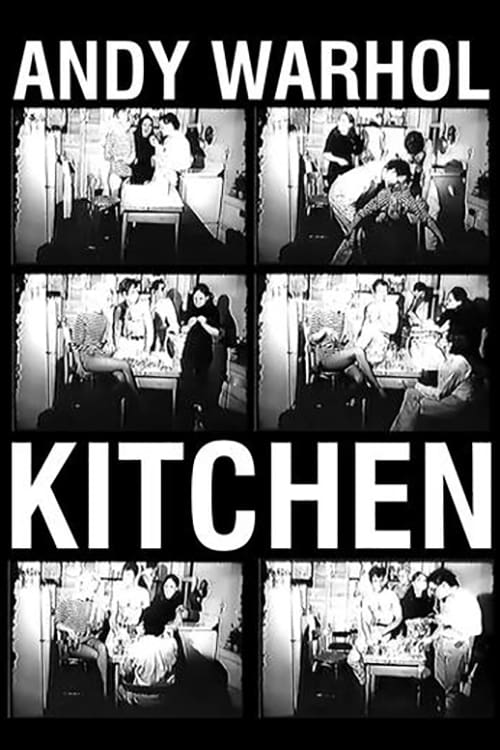
Instructed by Warhol to write a vehicle for Edie Sedgwick in a “completely white” setting, scenarist Ronald Tavel created one of Warhol’s most iconic films. Here a group of performers of all stripes – the sink and litter basket receive equal billing to the human actors – are forced into Warhol and Tavel’s cruelly comical theatre of the absurd. Inside this cramped domestic space, boredom, confusion and a sense of existential dread hang heavy in the air. Warhol and Tavel transform the modern 1960s kitchen – replete with the latest gadgets and conveniences – into a chaotic laboratory for self-creation and interpersonal conflict.