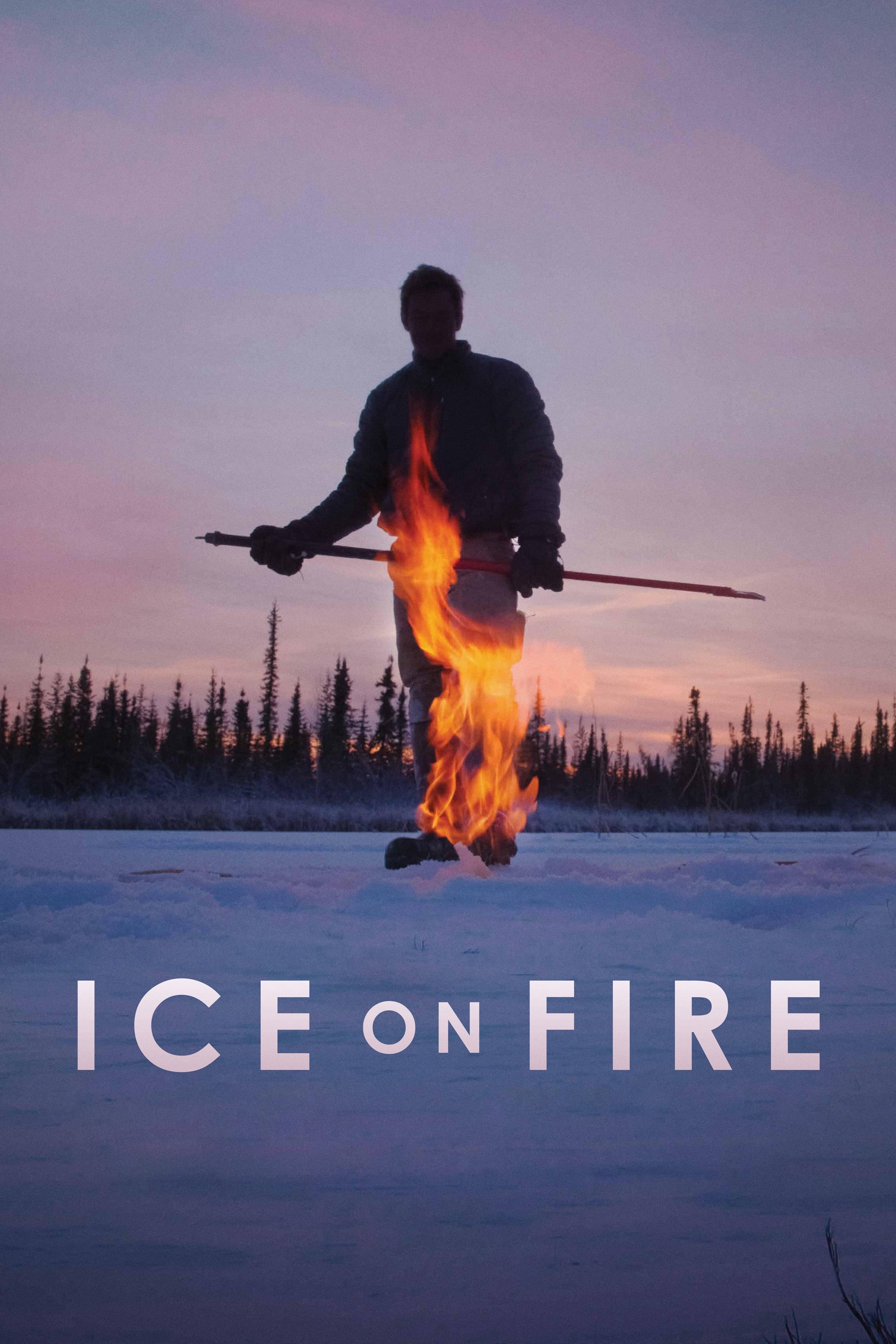
Story Structure — 4 Plot Phases
A Planet Under Experiment
The film establishes industrial carbon emissions as a 250-year experiment. Arctic melting and climate tipping points reveal the danger, while renewable alternatives suggest that the outcome is not inevitable.
Key Events
-
Industrial Carbon Experiment — The film presents 250 years of industrial activity as an experiment that released over 1.4 trillion tons of carbon.
Location: Global atmosphere
-
Arctic Ice Melting — Melting snow and ice reveal climate consequences and threaten ecosystems and human life.
Location: The Arctic
-
Climate Tipping Points — The documentary links Arctic melting to climate tipping points that may accelerate environmental damage.
Location: The Arctic
-
Renewable Alternatives — Existing renewable alternatives are presented as evidence that the threatened future is not inevitable.
Location: Global environment
-
Scientific Witnesses — Scientists and researchers document both the dangers of climate change and possible solutions.
Location: Research sites
-
Niwot Ridge Monitoring — A field worker travels weekly by Sno-Cat to collect samples for a decades-long atmospheric CO2 record.
Location: Niwot Ridge, Colorado
Warnings Written In Fire
Long-term atmospheric monitoring connects scientific records to present conditions. Drought, winds, and dry vegetation drive destructive fires around Santa Rosa, showing that climate disruption already affects communities.
Key Events
-
Niwot Ridge Monitoring — A field worker travels weekly by Sno-Cat to collect samples for a decades-long atmospheric CO2 record.
Location: Niwot Ridge, Colorado
-
Long-Term CO2 Record — The monitoring routine demonstrates the demanding work required to track atmospheric change over decades.
Location: Niwot Ridge, Colorado
-
Drought And Dry Vegetation — Years of drought leave vegetation dry and increase the danger of destructive wildfires.
Location: California
-
Santa Rosa Wildfires — Wildfires around Santa Rosa spread through drought conditions, dry vegetation, and powerful winds.
Location: Around Santa Rosa
-
Embers Outrun Flames — Embers travel far ahead of the flames while winds damage trees and infrastructure.
Location: Around Santa Rosa
-
Climate Warnings — The disasters are framed as warnings that climate disruption is already affecting communities.
Location: Climate-affected communities
Restoring The Carbon Cycle
Geological evidence links carbon spikes with mass extinctions. The film then presents photosynthesis, organic farming, cover crops, compost, and community gardens as practical carbon-storage approaches.
Key Events
-
Climate Warnings — The disasters are framed as warnings that climate disruption is already affecting communities.
Location: Climate-affected communities
-
Geological Carbon Evidence — Geological evidence shows that past carbon spikes coincided with mass extinctions.
Location: Geological record
-
The Carbon Cycle — Photosynthesis is shown transferring carbon from the atmosphere into plants and soil.
Location: Plants and soil
-
Organic Carbon Storage — Organic farming, cover crops, compost, and gardens are presented as ways to store carbon.
Location: Farms and community gardens
-
Food And Health Benefits — Carbon-storing food systems are linked to green jobs and improvements in health.
Location: Community gardens
-
Methane Investigation — Researchers use a mobile laboratory to trace methane plumes and identify their sources.
Location: Methane monitoring area
Removing What Remains
Methane research raises the possibility of another tipping point. Direct air capture is introduced as a way to remove atmospheric CO2, use it in greenhouses or fuels, and potentially close the carbon cycle.
Key Events
-
Methane Investigation — Researchers use a mobile laboratory to trace methane plumes and identify their sources.
Location: Methane monitoring area
-
Methane Tipping Risk — Rising methane levels are presented as a possible signal of a dangerous tipping point.
Location: Atmosphere
-
Direct Air Capture — Machines capture atmospheric CO2 using waste heat and offer a possible route beyond emission reduction.
Location: Carbon capture facility
-
Carbon Utilization — Captured carbon can be sent to greenhouses or converted into fuels using water and renewable energy.
Location: Greenhouses and fuel systems
-
Closing The Carbon Cycle — The film concludes that carbon removal could help close the global cycle, despite the immense scale required.
Location: Global climate system