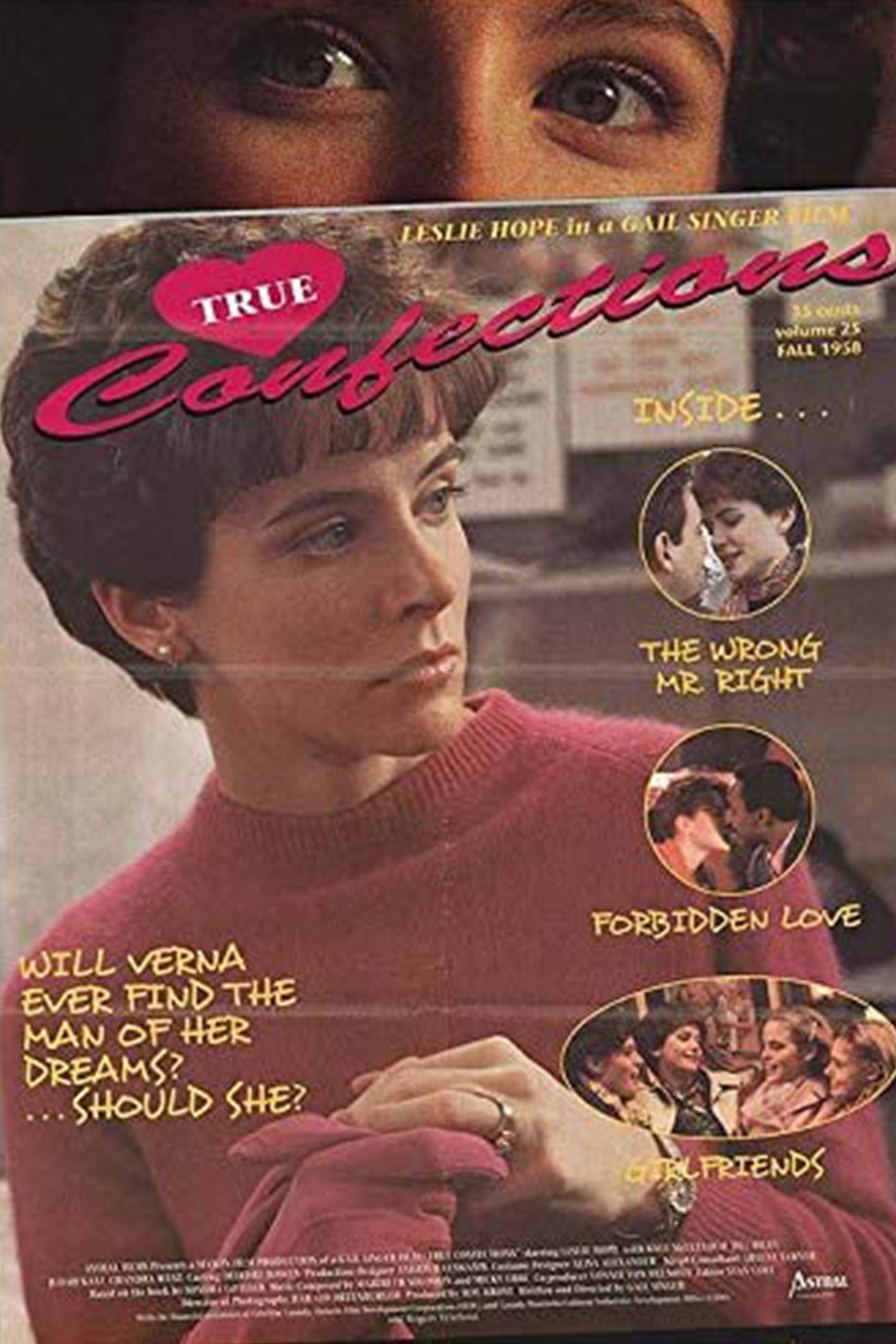
Story Structure — 4 Plot Phases
1950s Jewish Upbringing
The narrative establishes Verna Miller's background as a young Jewish woman in the 1950s. Her cultural identity and the era's rigid social structures are introduced as foundational elements.
Key Events
-
Film Introduction — Establishes the 1991 Canadian comedy-drama framework. Characters: Verna Miller
Location: Canadian Cinema Context
-
1950s Setting — Sets the historical backdrop for the narrative. Characters: Verna Miller
Location: 1950s Canada
-
Jewish Identity Revealed — Introduces Verna's cultural and religious background. Characters: Verna Miller
Location: Family Home
-
Rigid Gender Roles Depicted — Establishes the restrictive norms Verna will challenge. Characters: Verna Miller
Location: Society
-
Rebellion Begins — Verna actively pushes back against assigned expectations. Characters: Verna Miller
Location: Community
-
Modern Sensibilities Emerged — Highlights her forward-thinking mindset and values. Characters: Verna Miller
Location: Personal Space
Rebellion Against Norms
Verna's ahead-of-her-time sensibilities clash with societal expectations. Her life aspirations drive her to actively challenge and rebel against assigned gender roles.
Key Events
-
Modern Sensibilities Emerged — Highlights her forward-thinking mindset and values. Characters: Verna Miller
Location: Personal Space
-
Life Aspirations Formed — Defines her long-term goals and ambitions. Characters: Verna Miller
Location: Future Vision
-
Novel Adaptation Context — Connects the film to Sondra Gotlieb's award-winning book. Characters: Verna Miller
Location: Literary Source
-
Director's Personal Input — Gail Singer adds material reflective of her own era experiences. Characters: Verna Miller
Location: Screenwriting Room
-
Lead Casting Announced — Leslie Hope is selected to portray the protagonist. Characters: Verna Miller
Location: Production Office
-
Supporting Cast Assembly — Additional actors like Judah Katz and Chandra West join. Characters: Verna Miller
Location: Casting Studio
Cinematic Adaptation Process
The film's development draws from Sondra Gotlieb's award-winning novel. Director Gail Singer integrates personal experiences from the era to enrich the screenplay.
Key Events
-
Supporting Cast Assembly — Additional actors like Judah Katz and Chandra West join. Characters: Verna Miller
Location: Casting Studio
-
Montreal Premiere — The film debuts to audiences in August 1991. Characters: Verna Miller
Location: Montreal World Film Festival
-
Festival of Festivals Screening — The story reaches a broader audience in September. Characters: Verna Miller
Location: 1991 Festival of Festivals
-
Dual Film History Achievement — Singer becomes the first filmmaker with both documentary and fiction screened. Characters: Verna Miller
Location: Festival Venue
-
Wisecracks Co-Screening — The narrative film shares the spotlight with the director's documentary. Characters: Verna Miller
Location: Festival Hall
-
Comedy-Drama Tone Established — Balances humorous elements with dramatic character development. Characters: Verna Miller
Location: Theatrical Release
Festival Premiere & Legacy
The movie debuts at the Montreal World Film Festival and screens at the 1991 Festival of Festivals. Singer's dual screening achievement cements the film's historical significance.
Key Events
-
Comedy-Drama Tone Established — Balances humorous elements with dramatic character development. Characters: Verna Miller
Location: Theatrical Release
-
Gender Role Critique Deepens — The narrative intensifies its examination of 1950s expectations. Characters: Verna Miller
Location: Social Sphere
-
Aspirational Climax Approaches — Verna's modern sensibilities face their ultimate test. Characters: Verna Miller
Location: Personal Journey
-
Cultural Legacy Solidified — The character becomes a noted figure in 1990s Canadian cinema. Characters: Verna Miller
Location: Canadian Film Archive
-
Historical Context Closed — The film's premiere and festival run mark its official entry into history. Characters: Verna Miller
Location: Cinematic History