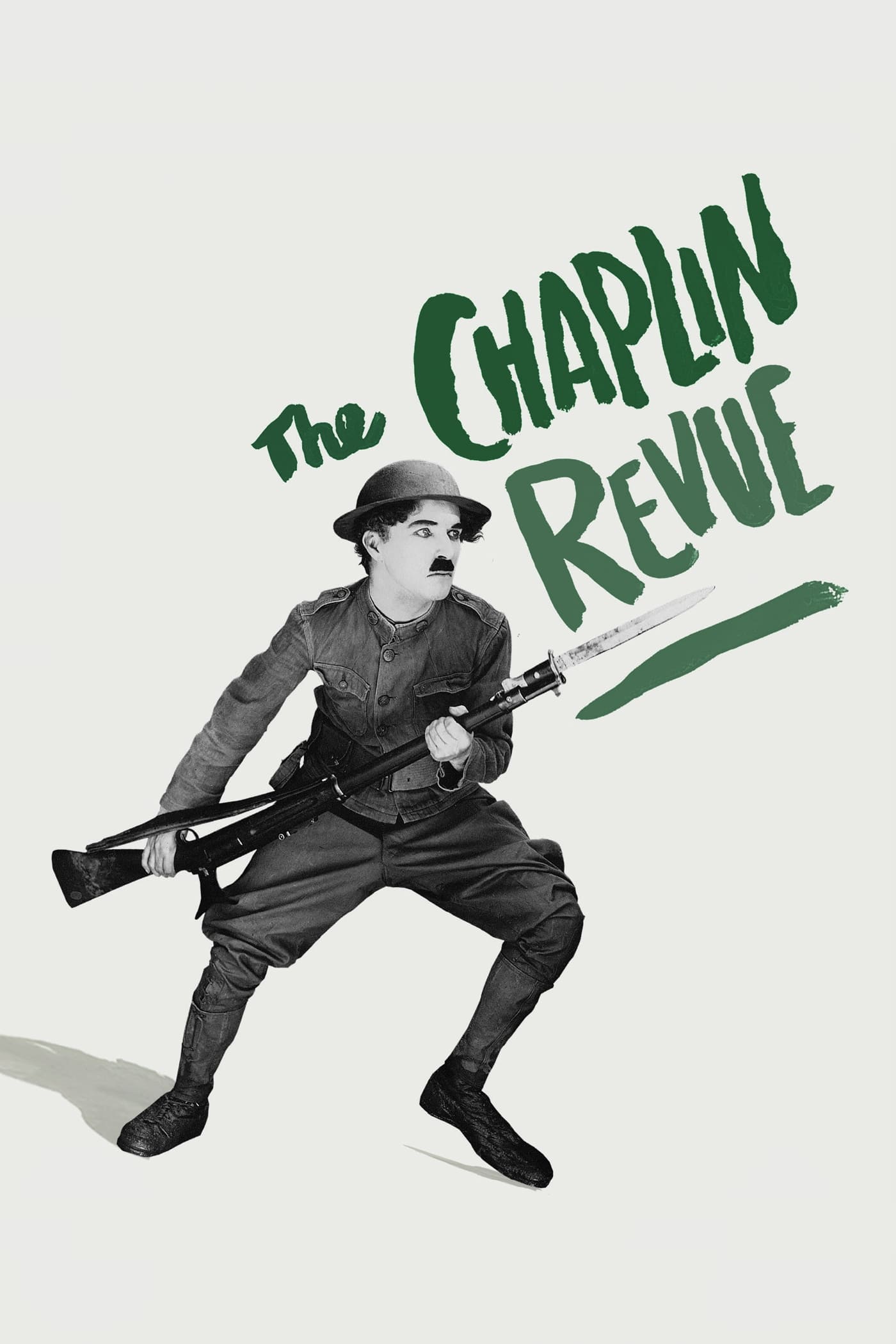
Plot Analysis Summary
A documentary-style narrative tracing the political, creative, and archival decisions behind the 1959 compilation film.
Story Structure — 4 Plot Phases
Exile and Industry Shift
Chaplin's career faces political and commercial headwinds as McCarthyism forces him into Swiss exile. His recent films receive mixed reviews, highlighting a significant decline in his Hollywood dominance.
Key Events
-
McCarthyism Exile — Chaplin and his wife relocate to Switzerland due to political persecution.
Location: Switzerland
-
Fading Hollywood Fame — Chaplin's recent films receive mixed reviews, signaling declining star power.
Location: Hollywood
-
Tramp Revival Concept — The idea emerges to reintroduce The Tramp to contemporary viewers.
Location: Switzerland
-
Swiss Exile Residence — Chaplin and his wife establish their home away from Hollywood.
Location: Switzerland
-
Critical Acclaim Decline — Recent films fail to achieve universal praise, prompting strategic reassessment.
Location: Hollywood
Creative Reassessment and Scripting
To counter fading relevance, Chaplin considers reviving his iconic Tramp character. Critic James Agee drafts a new script envisioning the Tramp in an apocalyptic modern setting, exploring contemporary themes.
Key Events
-
Tramp Revival Concept — The idea emerges to reintroduce The Tramp to contemporary viewers.
Location: Switzerland
-
Agee Script Development — James Agee writes a new script placing the Tramp in an apocalyptic urban setting.
Location: New York City
-
Compilation Strategy Formulation — Chaplin decides re-releasing three First National shorts is the optimal revival method.
Location: Switzerland
-
First National Archive Retrieval — Chaplin accesses his early First National productions for potential revival.
Location: Studio Vault
Compilation Strategy Formulation
Chaplin pivots from new scripting to a practical archival solution, deciding to compile three early First National silent films into a single feature. This strategic shift prioritizes legacy preservation over new production.
Key Events
-
A Dog's Life Integration — The first silent short is selected and prepared for the feature-length compilation.
Location: Editing Room
-
Shoulder Arms Integration — The second silent short is added to the compilation sequence.
Location: Editing Room
-
The Pilgrim Integration — The third and final silent short completes the core feature.
Location: Editing Room
Revue Presentation and Premiere
The silent shorts are meticulously edited alongside Chaplin's introductions, behind-the-scenes footage, and World War I archival clips. The 1959 premiere successfully bridges early cinema with modern audiences.
Key Events
-
The Pilgrim Integration — The third and final silent short completes the core feature.
Location: Editing Room
-
Chaplin Narration Recording — Chaplin records introductory commentary to bridge the silent films for modern viewers.
Location: Studio
-
Behind-the-Scenes Footage Assembly — Historical production footage is compiled to provide context.
Location: Archives
-
WWI Historical Clips Integration — World War I archival clips are juxtaposed with the silent era content.
Location: Archives
-
Feature-Length Assembly Completion — All components are edited into a cohesive feature-length presentation.
Location: Studio
-
1959 Premiere Screening — The Chaplin Revue is officially released to the public.
Location: Cinema
-
Modern Audience Reception — Contemporary viewers experience the revived silent character and historical context.
Location: Global Theaters
-
Silent Era Legacy Preservation — The compilation successfully bridges early cinema with modern film culture.
Location: Cultural Memory
-
Narrative Juxtaposition Design — Strategic placement of BTS footage and WWI clips alongside silent shorts.
Location: Editing Suite
-
Cultural Bridge Establishment — The Tramp successfully connects silent cinema history with post-war audiences.
Location: International
Three Chaplin silent comedies "A Dog's Life", "Shoulder Arms", and "The Pilgrim" are strung together to form a single feature length film. Chaplin provides new music, narration, and a small amount of new connecting material. "Shoulder Arms" is now described as taking place in a time before "the atom bomb".