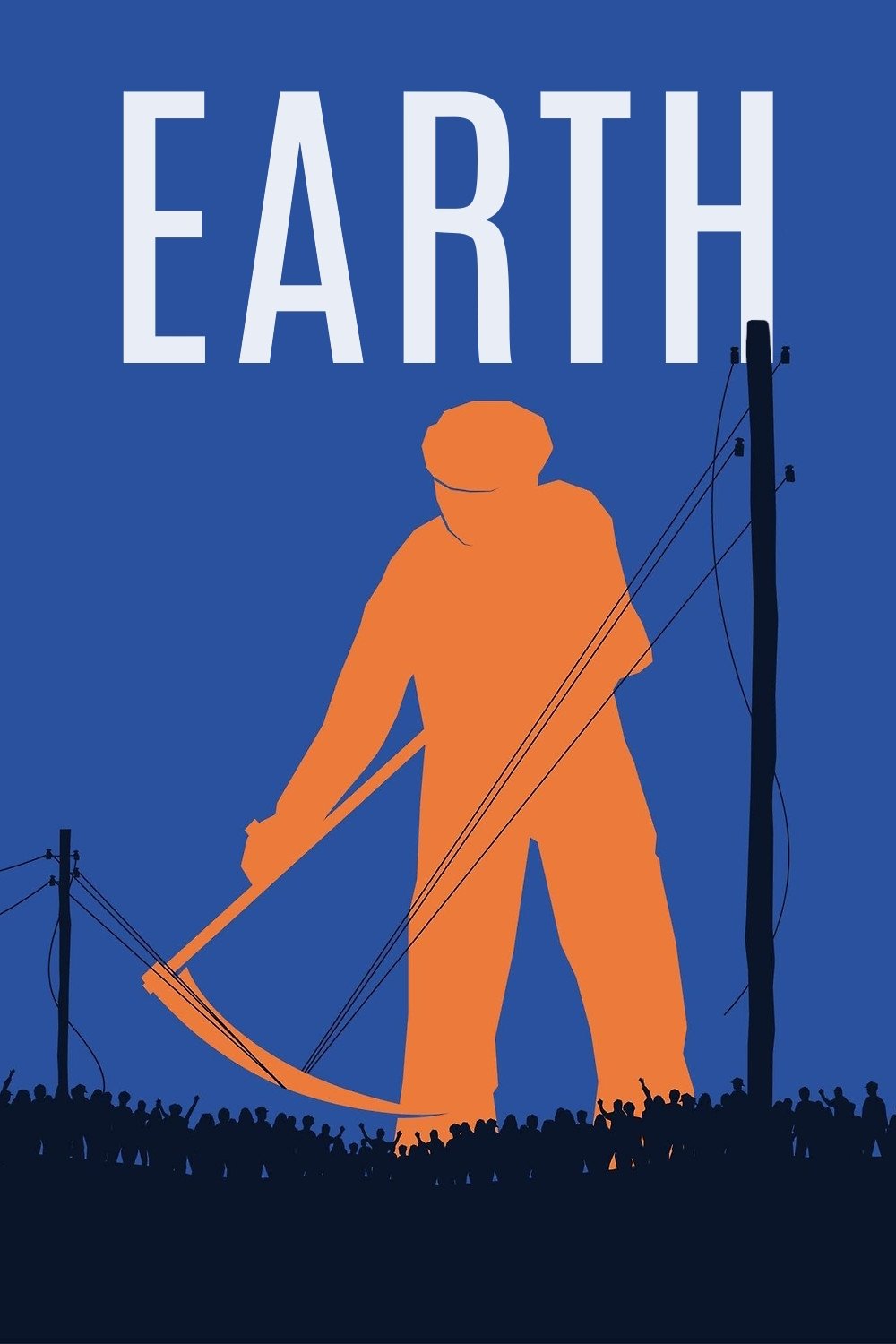
Earth (1930) character relationship network mapped with AI analysis. Explore the connections, alliances, and conflicts between characters.
Characters
Opanas
(played by Stepan Shkurat) — protagonist
A peasant and father of Vasyl who is initially skeptical of collectivization. After Vasyl's murder, he searches for the killer, confronts Khoma, and rejects a religious funeral, declaring his atheism...
Vasyl
(played by Semen Svashenko) — supporting
A young peasant and grandson of Semen who brings the village's first tractor, enabling the plowing of fields and destruction of kulak fences. He is killed by an unknown figure while dancing a hopak, s...
Vasyl's sister
(played by Yuliya Solntseva) — supporting
Kulak Bilokin
(played by Ivan Franko) — antagonist
A local kulak who rejects collectivization and represents resistance to the villagers' social transformation.
priest
(played by Vladimir Mikhaylov) — supporting
A Russian Orthodox priest who attempts to lead Vasyl's funeral. He is turned away by Opanas for refusing a secular ceremony and subsequently curses the villagers for their atheism and rejection of rel...
Canonical Relationships
Family, romantic, and professional connections based on plot evidence.
Vasyl's sister → Vasyl
(sister)
Opanas → Vasyl
(Family Father) — A central father-son relationship shaped by generational and ideological tension.
The plot identifies Opanas as Vasyl's father. Opanas attends the death of Vasyl's grandfather with Vasyl and later searches for Vasyl's killer.
Story Dynamics
Alliances, conflicts, and narrative interactions that evolve throughout the story.
Opanas → priest
(Conflict Religious Adversary) — Their conflict opposes secular revolutionary identity to religious authority.
The priest expects to lead Vasyl's funeral, but Opanas turns him away and declares his atheism.
Opanas → Kulak Bilokin
(Conflict Political Opposition) — Both occupy the anti-collectivization side of the village's ideological tension, although the plot does not show a direct confrontation between them.
Opanas is initially skeptical about collectivization, while Arkhyp Bilokin openly denounces collectivization and declares resistance to it.
Vasyl → Kulak Bilokin
(Conflict Ideological Opponent) — They represent opposing forces in the collectivization conflict.
Arkhyp Bilokin denounces collectivization and resists it, while Vasyl brings the community's first tractor and helps the peasants plow the land.
Story Analysis
A rural community confronts collectivization, violence, religious authority, and the possibility of renewal through social transformation.
Plot Progression
Inheritance Beneath the Tree
— The film opens with natural imagery and the death of an old peasant beneath an apple tree. Opanas and Vasyl are introduced within a rural world facing generational change.
The Tractor Crosses the Fields
— Arkhyp Bilokin rejects collectivization while Opanas debates it with Vasyl. Vasyl then brings the first tractor, turning collectivization into a visible force in the village.
Bread and Blood
— Communal plowing and grain production suggest a new agricultural order, but the destruction of kulak fences deepens the conflict. Vasyl's joyful walk home ends in his murder.
A Father Rejects the Old Rite
— Opanas searches for Vasyl's killer and faces an unresolved accusation. He then rejects the priest's authority and declares that Vasyl will receive a secular funeral.
Songs Beneath the Rain
— The villagers mourn Vasyl through new songs while the priest curses their rejection of religious ritual. The cemetery speech and final rain montage connect personal loss with continuing renewal.