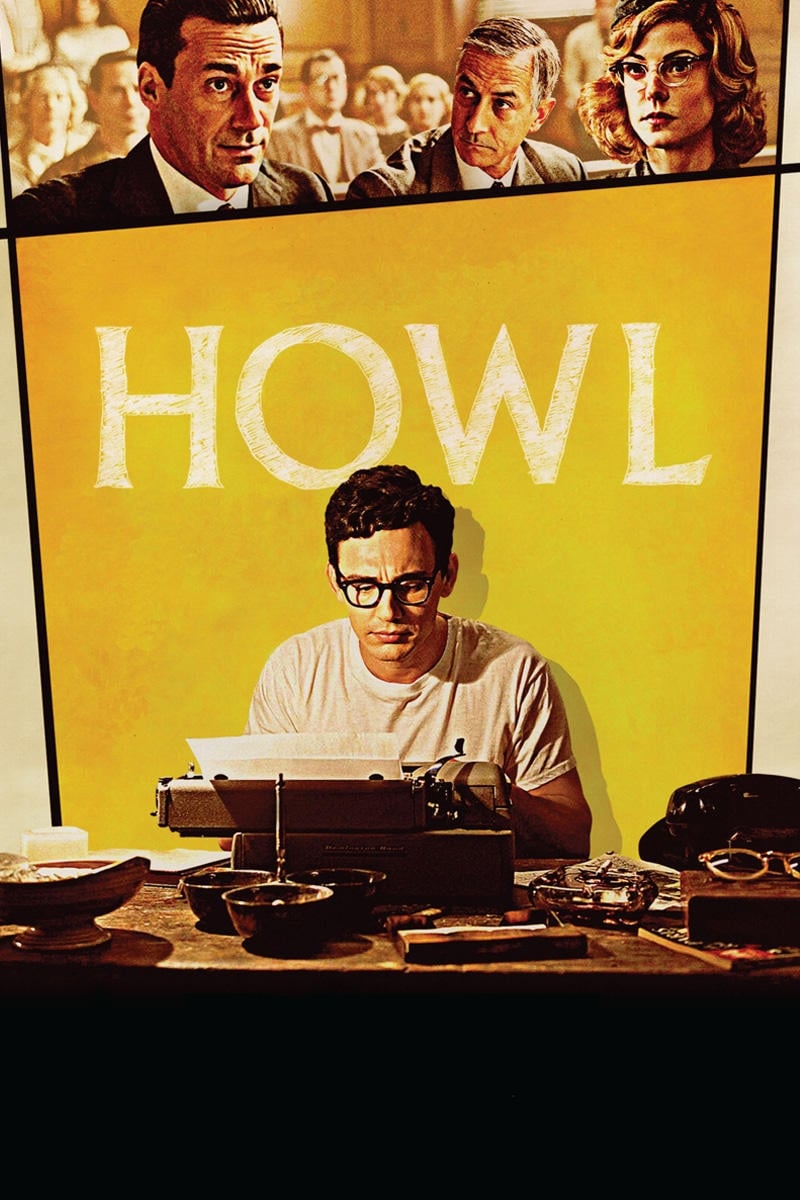
Story Structure — 5 Plot Phases
A Poem Without Restraint
The poem evokes suffering, displacement, and spiritual longing. Ginsberg reflects on writing freely and describes writing as a meditative practice.
Key Events
-
The Poem Is Recited — The poem begins with vivid images of damaged minds, poverty, sex, addiction, madness, and spiritual longing. Characters: Allen Ginsberg
Location: Unspecified settings
-
A Displaced Generation — The poem portrays a generation displaced by war and modern society. Characters: Allen Ginsberg
Location: Universities and city streets
-
Writing Without Restraint — Ginsberg reflects that he wrote freely when he believed the poem would never be published. Characters: Allen Ginsberg
Location: Unspecified
-
Fear of His Father — Ginsberg says he felt freer once he no longer feared his father might read the poem. Characters: Allen Ginsberg
Location: Unspecified
-
Writing as Meditation — Ginsberg compares writing all day with the emotional intensity of walking through New York. Characters: Allen Ginsberg
Location: New York
The Obscenity Hearing
The narrative moves to a courtroom hearing about whether Howl is obscene. A literary witness presents the poem as protest shaped by Ginsberg's experiences and postwar America.
Key Events
-
Obscenity Hearing Begins — The narrative shifts to a hearing over whether Howl is obscene. Characters: Allen Ginsberg
Location: Courtroom
-
A Literary Defense — A literary witness describes the poem as a painful cry of protest. Characters: Allen Ginsberg
Location: Courtroom
-
Road and Postwar Language — The witness links the poem's jazz-like language to Ginsberg's road experiences and postwar America. Characters: Allen Ginsberg
Location: Courtroom
-
Sexual Meaning Questioned — Under questioning, the witness acknowledges sexual meanings in some passages. Characters: Allen Ginsberg
Location: Courtroom
Language Under Challenge
Questioning turns to the sexual meanings of some passages and whether they belong to the poem's literary context. Ralph McIntosh argues that the book may be incomprehensible and offensive to ordinary readers.
Key Events
-
Context Versus Offense — The witness defends the passages as part of the poem's literary context as McIntosh challenges their accessibility and propriety. Characters: Allen Ginsberg, Ralph McIntosh
Location: Courtroom
Moloch and Rockland
The Moloch section depicts institutions and modern forces as destroyers of human freedom. The poem then turns toward solidarity, mercy, spiritual awakening, and liberation in Rockland.
Key Events
-
The Moloch Reading — Ginsberg's reading presents Moloch as an image of destructive social forces. Characters: Allen Ginsberg
Location: Unspecified
-
Institutions as Destruction — The Moloch passage evokes cities, banks, factories, war, technology, and institutions as threats to freedom. Characters: Allen Ginsberg
Location: Industrial cities
-
Rockland Solidarity — The poem turns toward solidarity and liberation in Rockland. Characters: Allen Ginsberg
Location: Rockland
-
Visions of Mercy — Despair gives way to visions of mercy, spiritual awakening, and freedom. Characters: Allen Ginsberg
Location: Rockland
An Unresolved Verdict
The hearing returns to whether explicit language is necessary to the poem's meaning or merely intended to provoke lust. The judge invites the defense to respond, leaving the verdict unresolved.
Key Events
-
The Central Legal Question — The hearing focuses on whether explicit language is essential to the poem or included only to provoke lust. Characters: Allen Ginsberg, Ralph McIntosh
Location: Courtroom
-
Defense Invited to Respond — The judge invites the defense to respond, and the excerpt ends without a legal verdict. Characters: Allen Ginsberg
Location: Courtroom