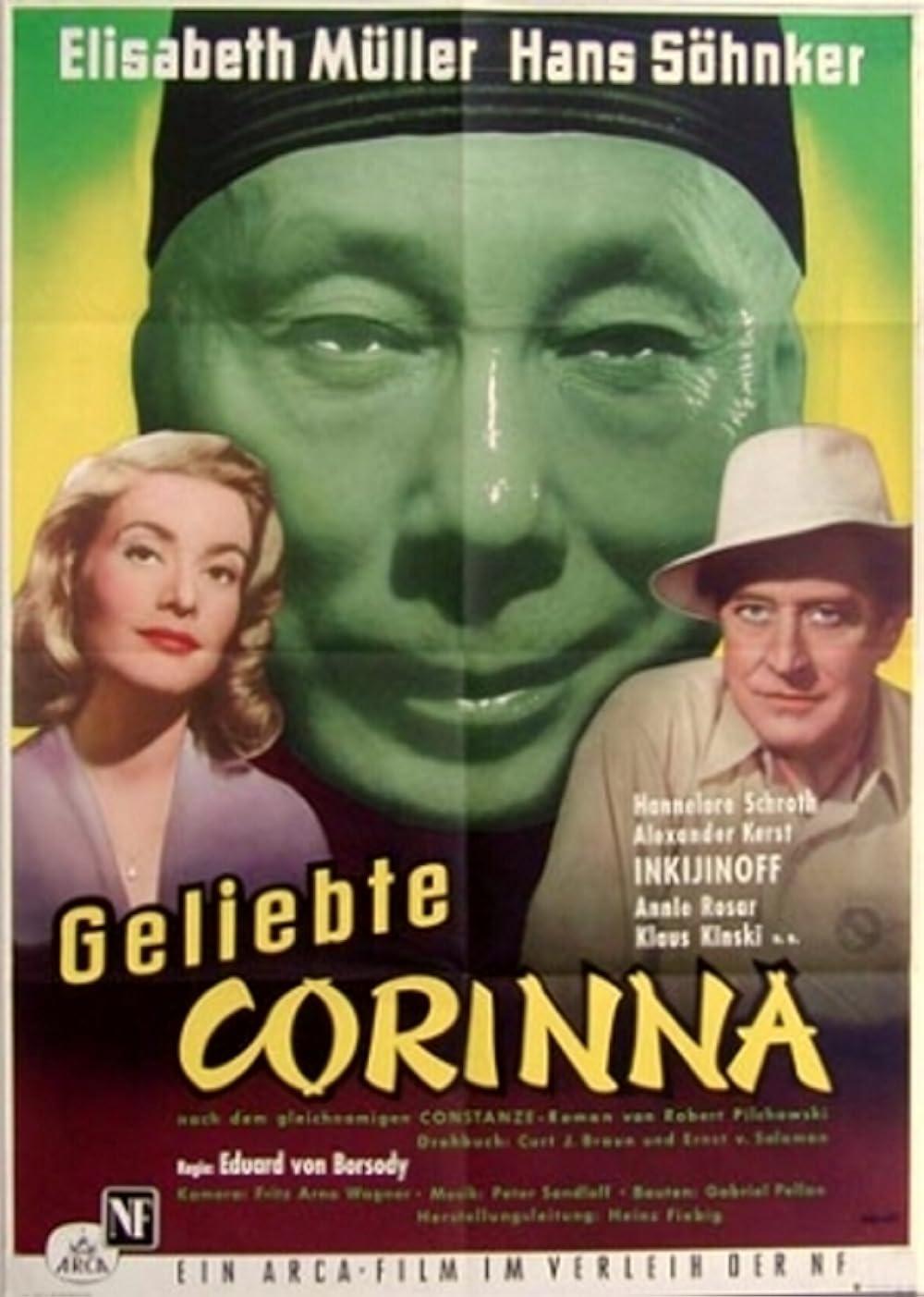
A romantic journey becomes a tragic moral entanglement when an existing marriage and a murder undermine the lovers' hoped-for happiness.
A young woman follows a plantation owner to the Far East because of her love for him. Her journey creates the emotional foundation of the story.
The young woman discovers that the man is already married. Although his love seems genuine, the existing marriage prevents their relationship from becoming simple or legitimate.
The wife does not want to let her husband go despite the broken marriage. Her refusal turns the romantic situation into an increasingly serious conflict.
The wife's murder appears to remove the obstacle between the lovers. Their resulting happiness is immediately marked as dubious and morally unstable.
The apparent romantic solution fails to endure. The ending emphasizes that the couple's happiness cannot survive the consequences of the murder.
Out of love, young Corinna follows the plantation owner Mannsfeld to the Far East - where she has to realize that he is already married. A small consolation for her is the fact that Mannsfeld is not about a womanizer, but that he is serious about his love for Corinna. The only thing standing in the way of this love is his wife, who, despite the broken marriage, does not want to let Mannsfeld go. When the wife is murdered, this crime seems to bring dubious happiness to the two of them - but it doesn't last long.
Eduard von Borsody
Rating: 6.7/10 (3 votes)
Related entry on Wikidata (Q4884598), public domain (CC0).
Plot breakdown and analysis on this page are AI-generated from the title's synopsis and metadata.