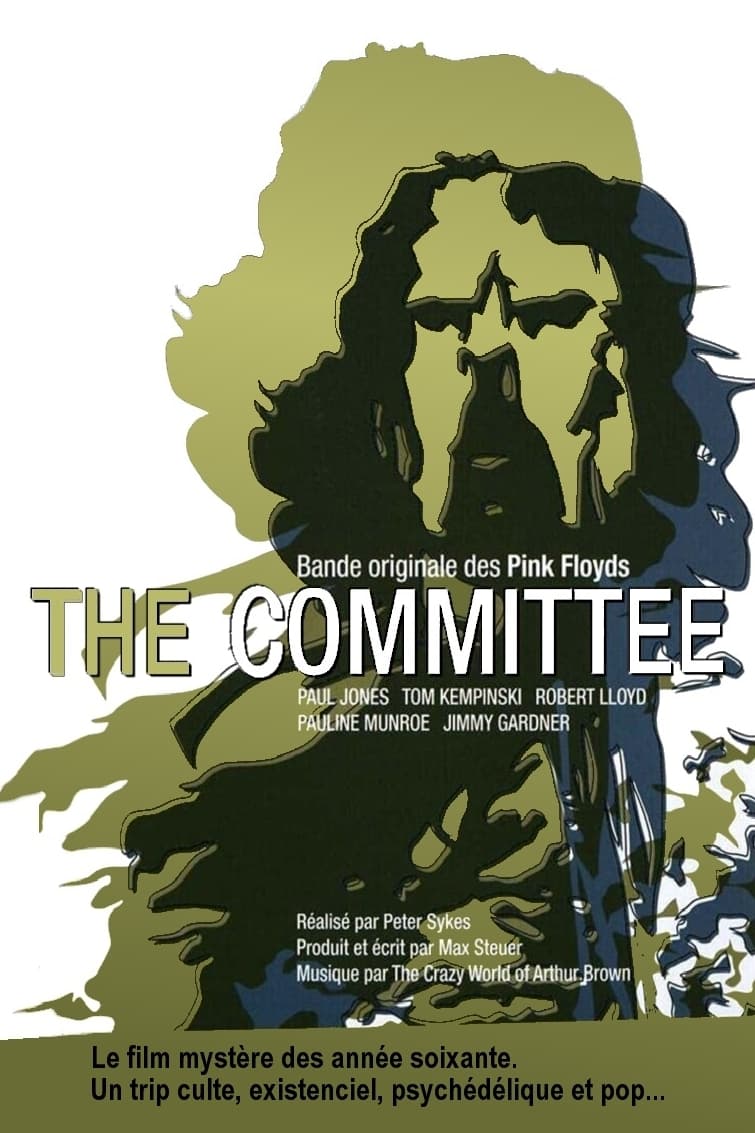
A surreal exploration of paranoia, bureaucratic absurdity, and cyclical violence through a protagonist's disjointed experiences.
Story Structure — 4 Plot Phases
The Bonnet Murder
The film opens with a violent encounter in a car where the protagonist decapitates the driver. He then sews the head back on and dismisses the revived man.
Key Events
Car Journey Begins — The unnamed protagonist travels in a car with a driver who attempts conversation.
Location: Car
Engine Malfunction — The driver believes the engine is malfunctioning and decides to pull over.
Location: Roadside
Bonnet Attack — The protagonist slams the bonnet down on the driver's head several times.
Location: Roadside
Committee Induction
Years later, the protagonist joins a mysterious 300-member group at a country estate. The group engages in leisure activities while supposedly maintaining society.
Key Events
Bonnet Attack — The protagonist slams the bonnet down on the driver's head several times.
Location: Roadside
Decapitation — The repeated blows eventually decapitate the driver.
Location: Roadside
Head Reattachment — The protagonist sews the driver's head back on.
Location: Roadside
Driver Revival — The driver wakes up after the head is sewn back on.
Location: Roadside
Driver Dismissal — The protagonist tells the driver to leave without him.
Location: Roadside
Committee Invitation — A few years later, the protagonist is called to join The Committee.
Location: Unknown
Pink Floyd Score — This sequence features most of the music Pink Floyd wrote for the film.
Location: Estate
Paranoia and Encounters
The protagonist grows suspicious of his invitation and crosses paths with the driver, who has no memory of their past. He spends time discussing these fears with the committee director.
Key Events
Committee Invitation — A few years later, the protagonist is called to join The Committee.
Location: Unknown
Estate Arrival — The Committee consists of 300 people meeting at a country estate.
Location: Country Estate
Recreational Activities — Members swim, play tennis, and sail boats during non-working hours.
Location: Estate Grounds
Live Performance — The Committee hosts a dance with a live performance by Arthur Brown.
Location: Estate Hall
Paranoia Onset — The protagonist becomes paranoid that the committee was called on account of him.
Location: Estate
Driver Encounter — The protagonist encounters the driver at the estate but the man does not remember him.
Location: Estate
Pink Floyd Score — This sequence features most of the music Pink Floyd wrote for the film.
Location: Estate
Society Functioning — The group allegedly keeps society functioning but really does very little. Characters: Committee DirectorLocation: Estate
Silent Resolution
As the retreat ends, the protagonist assists a young woman and accepts a ride. The film concludes with his unspoken response to a casual question.
Key Events
Driver Encounter — The protagonist encounters the driver at the estate but the man does not remember him.
Location: Estate
Director Discussion — The central character discusses his paranoia with the director for the duration of the movie. Characters: Committee DirectorLocation: Estate Lounge
Retreat Conclusion — The Committee's weekend retreat comes to an end.
Location: Estate Checkout
Bag Assistance — The protagonist meets a young woman and helps carry her bags to her car.
Location: Estate Parking
Ride Offer — She offers him a ride and they drive off together.
Location: Parking Lot
Bridge Inquiry — She asks him if he plays bridge, but he does not answer her.
Location: Car Interior
Film Conclusion — The protagonist remains silent as they drive away, ending the film.
Location: Road
Silent Departure — The protagonist's refusal to answer marks the final narrative beat.
Location: Car
Story Breakdown
Violent Prologue — The opening sequence establishes a disturbing cycle of violence and unnatural revival.
Car Journey — Protagonist and driver travel together with casual conversation.
Bonnet Attack — Protagonist violently strikes the driver with the car hood.
Head Revival — Protagonist sews the severed head back on to restore the driver.
Committee Induction — The protagonist transitions into a new life within a large, enigmatic organization.
Group Invitation — Protagonist receives a call to join the 300-member committee.
Estate Arrival — Members gather at a secluded country estate for the weekend.
Leisure Activities — Participants engage in swimming, tennis, and sailing during free time.
Paranoia Development — Internal suspicion grows as past events resurface without logical explanation.
Suspicion Onset — Protagonist questions why he was specifically selected for the committee.
Driver Encounter — Protagonist meets the driver again, who displays complete amnesia.
Director Discussions — Protagonist confides his fears and observations to the committee leader.
Musical Interlude — The film integrates avant-garde music and performance art into the narrative.
Live Performance — Arthur Brown delivers a live musical set at the estate dance.
Dance Event — Committee members socialize and dance during the evening gathering.
Social Interactions — Casual encounters highlight the detached and superficial nature of group dynamics.
Group Dynamics — 300 members coexist with minimal meaningful interaction or purpose.
Casual Conversations — Characters exchange polite but empty dialogue throughout the retreat.
Bag Assistance — Protagonist helps a young woman with her luggage at checkout.
Ambiguous Ending — The narrative concludes with silence and unresolved tension.
Ride Offer — Young woman invites protagonist to share her car for departure.
Bridge Question — She asks about card games, prompting no verbal response.
Silent Departure — Protagonist remains mute as they drive away, ending the film.
Thematic Undercurrents — The story explores broader concepts of bureaucracy, time, and societal function.
Society Functioning — The committee claims to maintain order while accomplishing nothing.
Bureaucratic Absurdity — Large groups operate on vague mandates and repetitive routines.
Cyclical Time — Past events loop back without resolution, defying linear narrative.
The Committee, starring Paul Jones of Manfred Mann fame, is a unique document of Britain in the 1960s. After a very successful run in London’s West End in 1968, viewings of this controversial movie have been few and far between. Stunning black and white camera work by Ian Wilson brings to life this “chilling fable” by Max Steuer, a lecturer (now Reader Emeritus) at the London School of Economics. Avoiding easy answers, The Committee uses a surreal murder to explore the tension and conflict between bureaucracy on one side, and individual freedom on the other. Many films, such as Total Recall, Fahrenheit 451 and Camus’ The Stranger, see the state as ignorant and repressive, and pass over the inevitable weaknesses lying deep in individuals. Drawing on the ideas of R.D. Laing, a psychologically hip state faces an all too human protagonist.