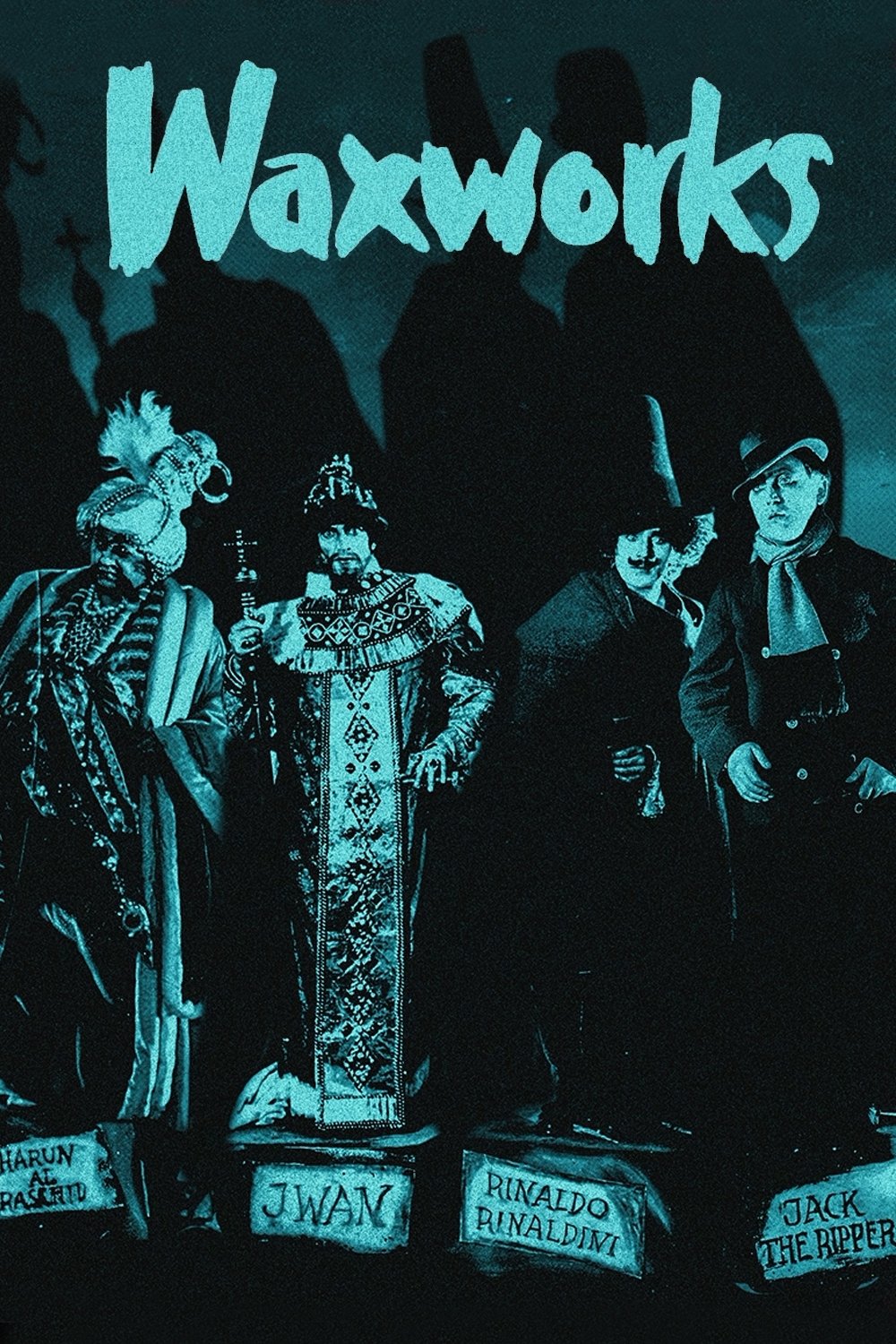
Waxworks (1924) character relationship network mapped with AI analysis. Explore the connections, alliances, and conflicts between characters.
Ivan the Terrible is a paranoid and sadistic czar who takes pleasure in watching poisoned victims die. After the poison-maker secretly marks an hourglass with Ivan’s name, he tries to evade his appare...
The Poet is the unnamed writer hired to create stories for the wax figures, and he imagines himself in each tale. As Assad, he is a poor baker who attempts to steal a wishing ring and is saved by his...
Jack the Ripper is the wax figure that appears to come alive after the poet completes the other stories. He stalks the poet and the museum owner’s daughter through the dark, twisting halls, repeatedly...
The Grand Vizier serves Harun al Raschid and is sent to identify the baker after smoke from the bakery obscures the palace. Instead of returning with the baker’s head, he reports the beauty of the bak...
Family, romantic, and professional connections based on plot evidence.
Ivan sends his Grand Vizier to find Assad after becoming angry about the smoke from the bakery and losing a chess game.
Alliances, conflicts, and narrative interactions that evolve throughout the story.
The Grand Vizier is sent to find Assad, while Assad later becomes the target of palace guards after attempting to steal the wishing ring.
After the poet finishes the stories, the wax figure comes to life and stalks both the poet and the owner's daughter. The poet flees through the museum...
The poet imagines himself as Assad the baker in the first story and later appears as the Russian prince's bridegroom in Ivan's story. Ivan is the cent...
A poet's waxwork stories blur imagination, historical terror, and nightmare before returning him to waking reality.
Directed by Leo Birinski, Paul Leni
Waxworks (1924) · 6.4/10 · fantasy, horror
Plot analysis generated from content on Wikipedia, licensed under CC BY-SA 4.0.
Related entry on Wikidata (Q566863), public domain (CC0).