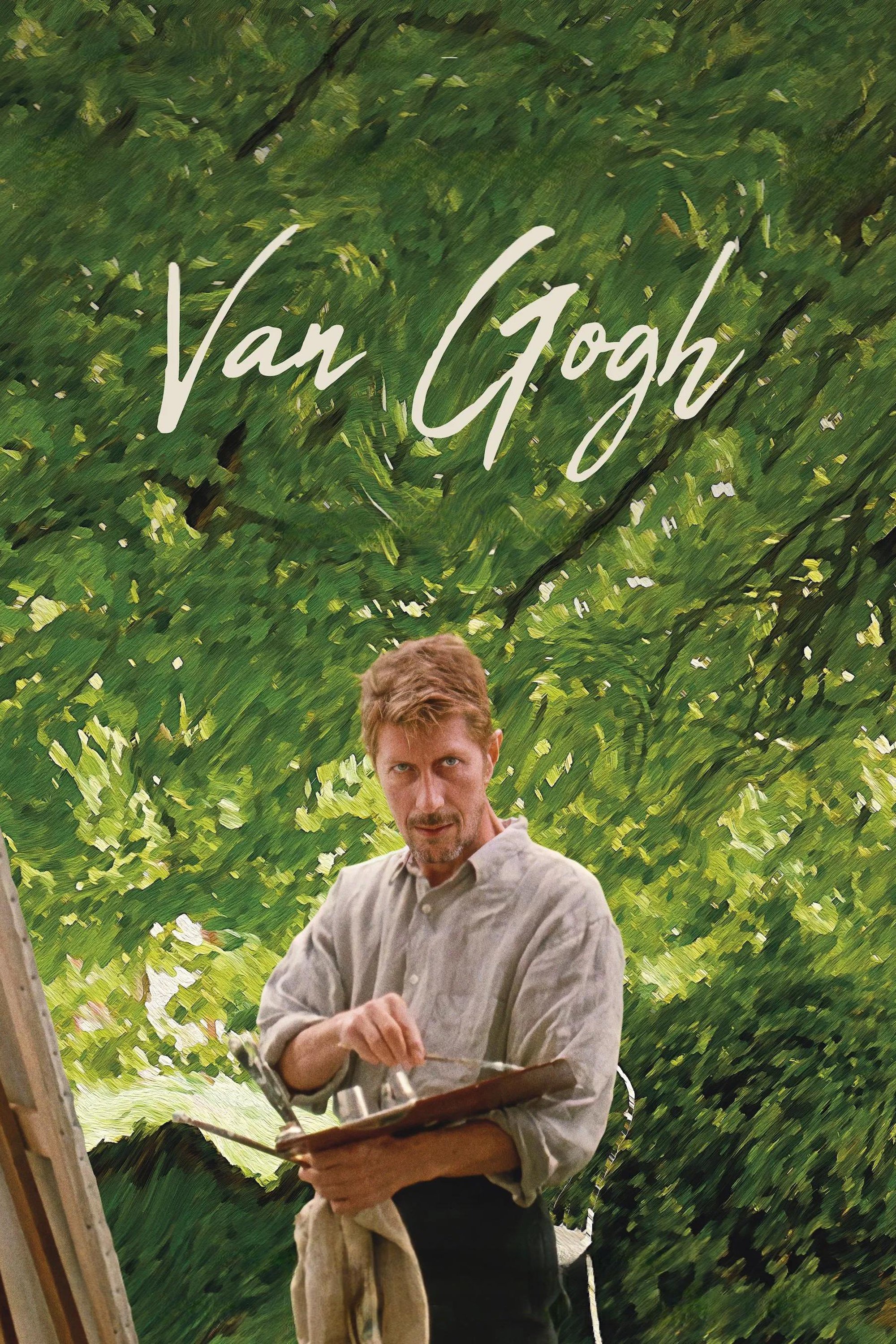
Van Gogh (1991) character relationship network mapped with AI analysis. Explore the connections, alliances, and conflicts between characters.
Characters
Van Gogh
(played by Jacques Dutronc) — protagonist
The central protagonist, a Dutch painter whose final 67 days in 1890 form the narrative core of the film. The story explores his artistic process, mental state, and personal relationships.
Marguerite
(played by Alexandra London) — protagonist
The daughter of Dr. Gachet, featured among the women who interact with Van Gogh during his final months in Auvers-sur-Oise.
Théo
(played by Bernard Le Coq) — supporting
Van Gogh's brother, whose close familial bond and emotional support are a key focus of the film's narrative.
Gachet
(played by Gérard Séty) — supporting
Van Gogh's physician and a famous subject of his portrait. He plays a significant role in caring for the painter during his final days.
Adeline
(played by Leslie Azzoulai) — supporting
Ravoux
(played by Jacques Vidal) — supporting
Canonical Relationships
Family, romantic, and professional connections based on plot evidence.
Gachet → Marguerite
(Family Father And Daughter) — Marguerite is part of Gachet's family, whose involvement he hopes will help strengthen Van Gogh's bond with Théo.
The plot refers to Gachet's family and identifies Marguerite as his daughter.
Van Gogh → Théo
(Family Brothers In Conflict) — Their familial bond is strained by disputes about Van Gogh's health, dependence, and paintings, while Théo continues to press him to consider selling his work.
The plot identifies Théo as Van Gogh's brother and describes their confrontation over illness, loyalty, and responsibility. Théo later urges Van Gogh...
Van Gogh → Gachet
(Professional Physician And Patient) — Gachet's role as Van Gogh's physician becomes a source of conflict as they disagree about his health and the nature of his care.
Van Gogh visits Dr. Gachet, and their arguments grow sharper over his health, paintings, and whether he should be treated as a patient.
Story Dynamics
Alliances, conflicts, and narrative interactions that evolve throughout the story.
Van Gogh → Adeline
(related)
Gachet → Adeline
(related)
Adeline → Van Gogh
(related)
Gachet → Van Gogh
(related)
Marguerite → Van Gogh
(related)
Van Gogh → Ravoux
(Social Lodger And Host) — Van Gogh stays in a room at Ravoux's boarding house after arriving in Auvers.
After arriving in Auvers, Van Gogh is directed to Ravoux's boarding house, where he rents a modest room.
Van Gogh → Marguerite
(Social Acquaintances) — They talk during Van Gogh's visits to Gachet, with Marguerite sharing personal details about her interests and loss.
Van Gogh visits Gachet and meets Marguerite. Their conversations touch on her pet monkey and her wish to resume playing piano after her mother's death...
Story Analysis
In Auvers, Van Gogh's artistic conviction and personal isolation unfold alongside increasingly painful conflicts over care, family, and responsibility.
Plot Progression
A Room in Auvers
— Van Gogh arrives in Auvers with little luggage and finds a modest room at Ravoux's boarding house. He says he came for the air and begins visiting Gachet.
Conversations and Painting
— Van Gogh meets Marguerite and hears about her piano lessons, her pet monkey, and her wish to play again. He paints people around him, while some models object to his portrayals.
Care and Family Tensions
— Gachet hopes his family will help strengthen Van Gogh's relationship with Théo, but Van Gogh is wary of those ties and their expectations. Disagreements with Gachet over health, art, and treatment gro...
The Brothers' Burden
— Théo is drawn into the dispute, and the brothers face questions about illness, loyalty, and responsibility. Van Gogh describes a calm intention to end what has become unbearable.
Paintings and Dependence
— Théo urges Van Gogh to sell his paintings, but Van Gogh cannot bear to part with them despite believing they are unwanted. The excerpt ends with him trying to eat while others discuss his prospects an...
Directed by Maurice Pialat
Van Gogh (1991) · 6.7/10 · drama, history
Content sources
Related entry on
Wikidata
(Q2301836), public domain (CC0).
Plot breakdown and analysis on this page are AI-generated from the title's synopsis and metadata.