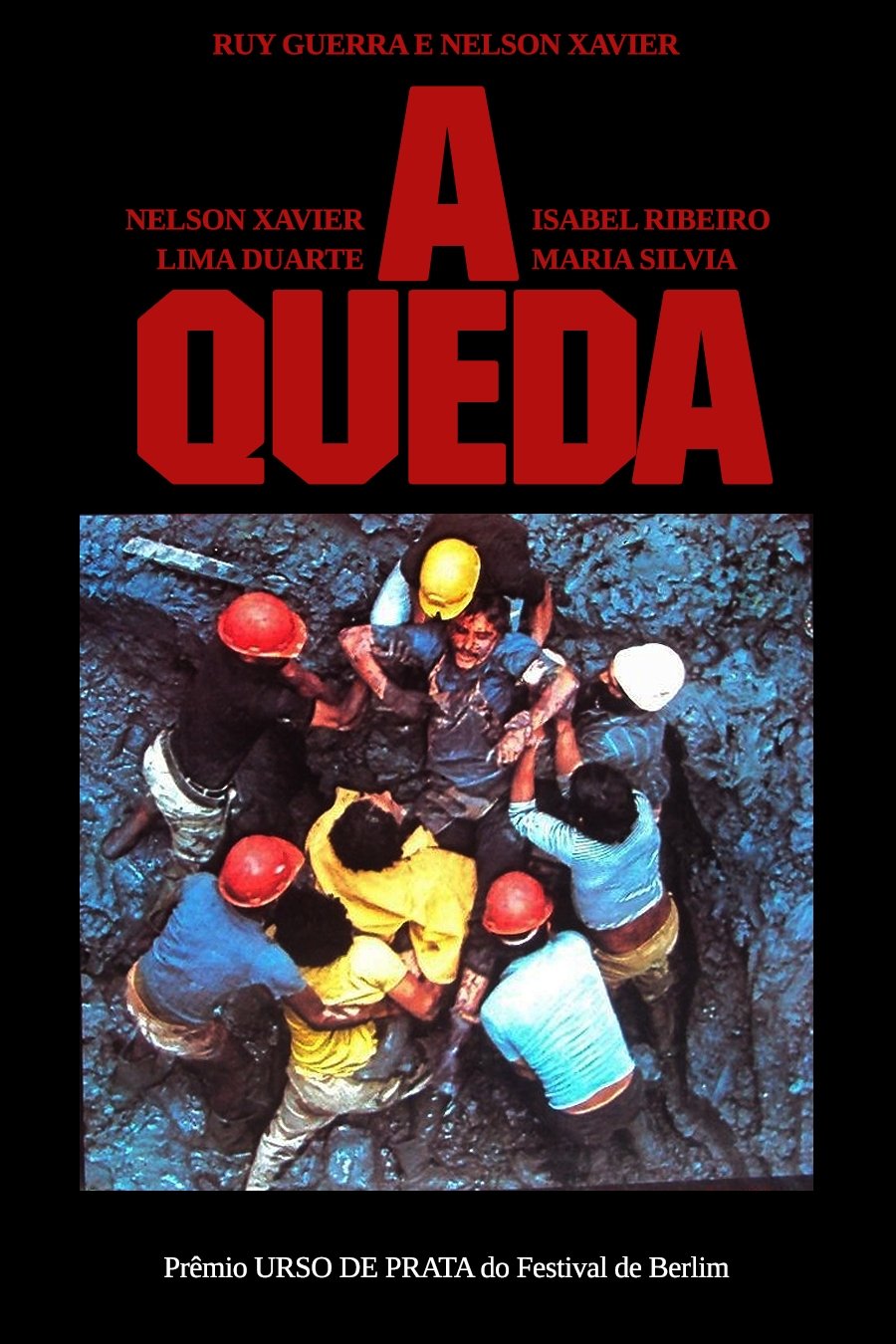
A fatal workplace accident develops into a struggle for justice that exposes exploitation, class relations, and Brazil's historical transformation.
Story Structure — 5 Plot Phases
Death at the Worksite
A construction-site accident causes one worker's death. The surviving worker begins a struggle for justice, establishing the film's central conflict.
Key Events
Construction Site Accident — An accident at a construction site initiates the film's central conflict.
Location: Construction site
Worker Dies — The accident results in one worker's death.
Location: Construction site
Justice Becomes the Goal — The surviving worker begins a struggle for justice after the fatal accident.
Location: Brazil
Individual Resistance Begins — One worker's personal response develops into the film's main social struggle.
Location: Brazil
Exploitation Is Exposed — The pursuit of justice exposes mechanisms of exploitation.
Location: Brazil
The Machinery of Exploitation
The pursuit of justice reveals mechanisms of exploitation and the class relations shaping the country. The conflict is framed by military-led conservative modernization.
Key Events
Exploitation Is Exposed — The pursuit of justice exposes mechanisms of exploitation.
Location: Brazil
Class Relations Surface — The conflict reveals the class relations shaping the country.
Location: Brazil
Military Modernization Context — The social conflict is placed within a decade of military-led conservative modernization.
Location: Brazil
Modernization Produces Inequality — The country's rapid modernization is connected to exploitation and class division.
Location: Brazil
Past Characters Reconsidered — The film follows characters from the earlier film as their social positions change.
Location: Brazil
Reversed Social Positions
The film follows the fate of characters from the earlier story as former enforcers of exploitation become exploited. Their changed positions reflect wider social transformation.
Key Events
Past Characters Reconsidered — The film follows characters from the earlier film as their social positions change.
Location: Brazil
Enforcers Become Exploited — Former enforcers of exploitation are shown becoming exploited themselves.
Location: Brazil
Social Roles Transform — The changing fate of the characters reflects broader transformations in society.
Location: Brazil
History Becomes Personal — Individual fates become a way of representing a period of Brazilian history.
Location: Brazil
Fiction Meets Reality — Corresponding time lapses in fiction and reality capture historical passage.
Location: Brazil
History Across Time
Corresponding time lapses in fiction and reality capture the passage of a period in Brazilian history. Personal fates become evidence of political and social change.
Key Events
Fiction Meets Reality — Corresponding time lapses in fiction and reality capture historical passage.
Location: Brazil
A Historical Chunk Passes — The narrative records the passage of a significant period in Brazilian history.
Location: Brazil
Political Transformation Emerges — The social struggle reveals political and historical transformation between the two films.
Location: Brazil
Cinematic Approach Changes — The film contrasts changing approaches to representing social and political realities.
Location: Brazil
Form Matches Content — The film is described as original in adapting its form to its social content.
Location: Brazil
Form and Historical Reckoning
The film's changing cinematic approach links social and political content with daring form. Its historical and artistic force culminates in international recognition at Berlin.
Key Events
Form Matches Content — The film is described as original in adapting its form to its social content.
Location: Brazil
Social Conflict Peaks — The worker's justice struggle culminates as exploitation and class relations remain central.
Location: Brazil
Historical Meaning Consolidates — Personal and social transformations combine into a broader historical portrait.
Location: Brazil
Berlin Recognition — The film's daring content and form receive the Silver Bear at Berlin.
Location: Berlin
Story Breakdown
Fatal Worksite Incident — The construction-site accident creates the immediate crisis and emotional foundation.
Construction Accident — An accident occurs at a construction site.
Worker Death — The accident results in one worker's death.
Justice Struggle — A surviving worker responds to the death by pursuing justice.
Personal Response — One worker begins the central struggle.
Demand For Justice — The worker's effort is explicitly framed as a struggle for justice.
Exploitation Exposed — The justice effort reveals the mechanisms behind social exploitation.
Workplace Exploitation — The narrative exposes mechanisms of exploitation.
Class Relations — The conflict reveals the country's class structure.
Military Modernization — The social conflict is connected to a decade of conservative modernization under military rule.
Rapid Modernization — The country undergoes fast-paced modernization.
Military Direction — The modernization is described as being carried out by the military.
Reversed Social Roles — The sequel follows characters whose positions change from enforcing exploitation to experiencing it.
Former Enforcers — Earlier characters are identified as enforcers of exploitation.
Becoming Exploited — Those former enforcers later become exploited.
History And Cinema — The film connects historical time, political transformation, and changing cinematic form.
Fiction And Reality — Corresponding time lapses in fiction and reality capture historical passage.
Changing Film Form — The film contrasts cinematic approaches to social and political reality.
An accident at a construction site, resulting in one death, sets one worker off on a struggle for justice that exposes the mechanisms of exploitation and the class relations of a country that had undergone one decade of fast-paced ‘conservative modernisation’ at the hands of the military. As a sort of sequel to the classic The Guns (1964), following the fate of those characters as they move from enforcers of exploitation to exploited, it offers more than a snapshot of the period: the correspondent time lapses in fiction and reality capture the passage of a chunk of Brazilian history between the two films, and, therefore, also the transformations in cinematographic approaches to the social and political between the two moments. Equally daring in content and form, and in the originality of the adequacy of one to the other, it won the Silver Bear at Berlin.