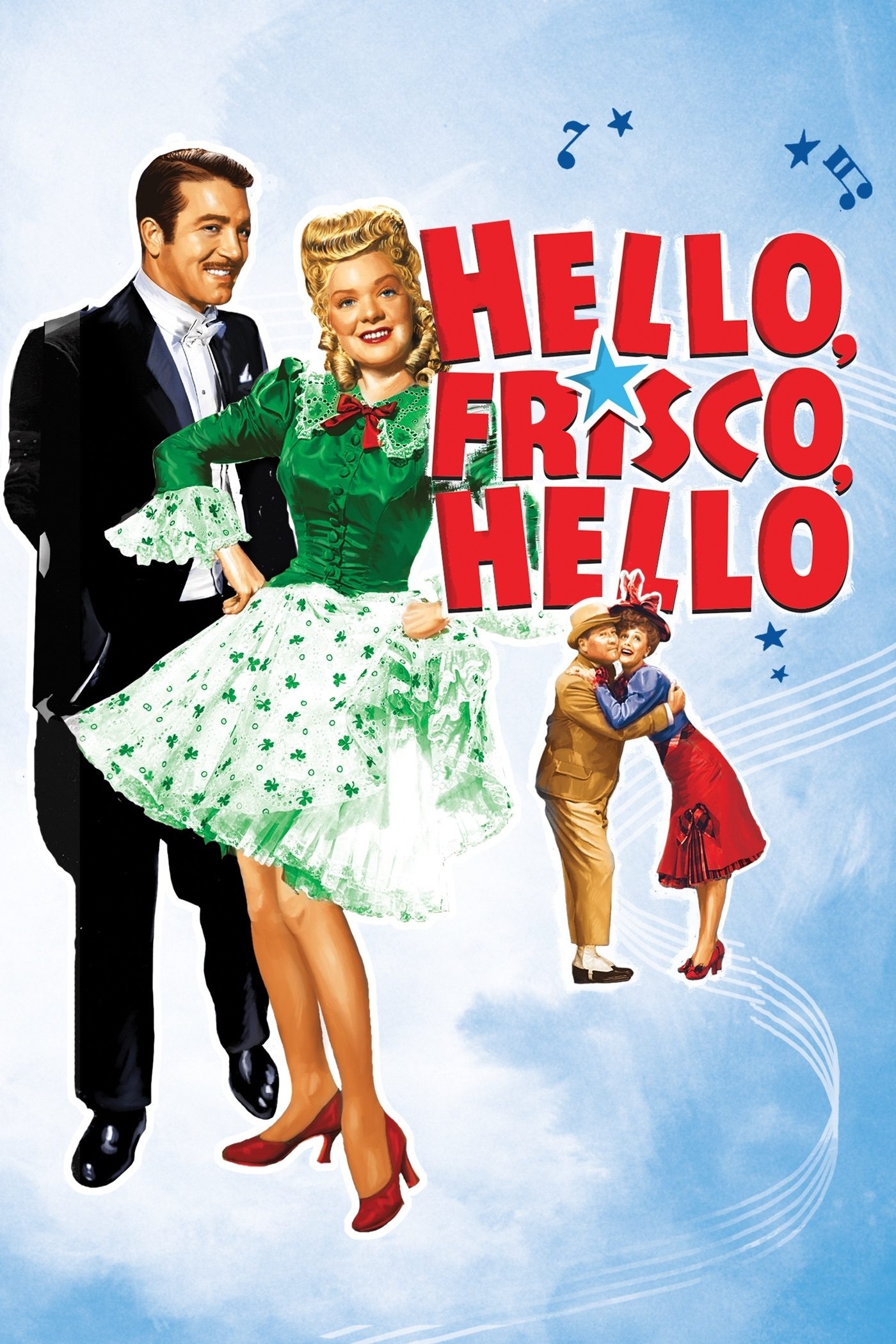
Plot Analysis Summary
A meta-analysis of the 1943 musical's production context, historical setting, musical achievements, and cinematic legacy.
Story Structure — 4 Plot Phases
Studio Production & Cast Assembly
The film is produced in Technicolor by 20th Century-Fox during World War II. Alice Faye, John Payne, Lynn Bari, and Jack Oakie are introduced as the principal cast members.
Key Events
-
Film Production & Release — The movie is produced in Technicolor and released by 20th Century-Fox during WWII.
Location: 20th Century-Fox Studios
-
Cast Introduction — Alice Faye, John Payne, Lynn Bari, and Jack Oakie are announced as the lead cast.
Location: Studio Lot
-
1915 Panama Pacific Exposition — The narrative is set during the 1915 exposition period in San Francisco.
Location: San Francisco
-
Vaudeville Performers Introduction — The story focuses on vaudeville performers operating in the city during the exposition.
Location: San Francisco Stage
Historical Setting & Vaudeville Era
The narrative establishes its backdrop at the 1915 Panama Pacific Exposition in San Francisco. Vaudeville performers are introduced as the central focus of the story.
Key Events
-
Vaudeville Performers Introduction — The story focuses on vaudeville performers operating in the city during the exposition.
Location: San Francisco Stage
-
Bell's Transcontinental Call — The plot references Alexander Graham Bell making the first transcontinental phone call.
Location: New York City to San Francisco
-
You'll Never Know Introduction — Alice Faye performs the song You'll Never Know, which later wins an Academy Award.
Location: Performance Venue
Technological Milestone & Musical Highlight
The plot incorporates Alexander Graham Bell's first transcontinental phone call as a historical anchor. Alice Faye performs You'll Never Know, establishing the film's musical centerpiece.
Key Events
-
You'll Never Know Introduction — Alice Faye performs the song You'll Never Know, which later wins an Academy Award.
Location: Performance Venue
-
Academy Award Recognition — The film receives nominations for Best Original Song and Best Color Cinematography.
Location: Award Ceremony
-
Cinematography Nomination Loss — The film loses the Best Color Cinematography award to Phantom of the Opera.
Location: Award Ceremony
Award Recognition & Cinematic Legacy
The film receives Academy Award nominations for its song and cinematography. It is later recognized as a remake of King of Burlesque, with its opening sequence preserved for future productions.
Key Events
-
Remake Status Clarification — The movie is identified as a remake of the 1936 film King of Burlesque.
Location: Production Archive
-
Opening Sequence Legacy — The complete opening sequence is later reused in the 1945 film Nob Hill.
Location: Film Archive