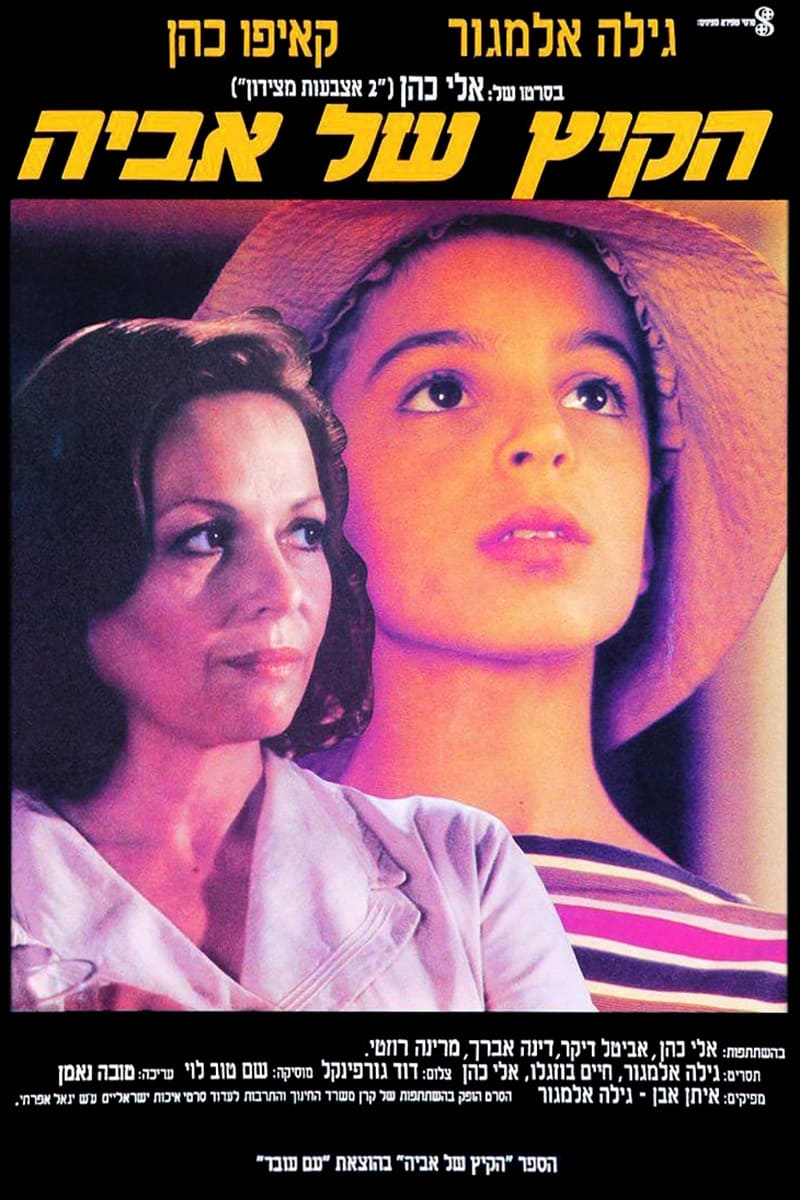
A young girl moves from protective fantasy toward painful acceptance while living with her traumatized mother in postwar Israel.
Story Structure — 4 Plot Phases
A Fragile New Beginning
A ten-year-old girl lives with her mother in Israel during the summer of 1951. Their affectionate relationship is shaped by the mother's difficult past and unstable mental condition.
Key Events
Summer in New Israel — A ten-year-old girl lives with her mother during the summer of 1951.
Location: Newly established Israel
Mother and Daughter Bond — The mother and daughter share a warm but fragile relationship.
Location: Israel
A Mother's Independence — The mother attempts to build an independent life for herself and her daughter.
Location: Israel
Echoes of War — The mother's wartime loss and Holocaust experience shape her present life.
Location: Israel
Mental Fragility Emerges — Periodic mental breakdowns reveal the mother's unstable psychological state.
Location: Israel
Public Mockery — Native Israelis mock the mother for her erratic behavior.
Location: Israel
Mockery and Imagination
The mother is mocked for her erratic behavior, while the girl faces rejection from peers. Imagination becomes the girl's way of coping with isolation and family uncertainty.
Key Events
Public Mockery — Native Israelis mock the mother for her erratic behavior.
Location: Israel
A Bright Imagination — The girl uses vivid imagination to interpret her difficult circumstances.
Location: Israel
Peer Rejection — The girl is mocked by her peers, deepening her sense of isolation.
Location: Israel
A Fragile Home — The household remains affectionate yet vulnerable under emotional pressure.
Location: Israel
Hope for Family Unity — The girl imagines that finding her father could restore the family.
Location: Israel
Searching for the Father — Her fantasy develops into a quest to find her absent father.
Location: Israel
The Search for Wholeness
The girl imagines that finding her absent father could solve the family's problems. Her fantasy develops into a quest that brings hope and emotional danger.
Key Events
Searching for the Father — Her fantasy develops into a quest to find her absent father.
Location: Israel
Reality and Fantasy Collide — The imagined search exposes the conflict between hope and reality.
Location: Israel
Mother's Past Resurfaces — The mother's Holocaust trauma and wartime loss remain powerful forces.
Location: Israel
Strained Affection — Affection between mother and daughter is tested by instability and longing.
Location: Israel
Isolation Intensifies — Social ridicule and family uncertainty intensify the girl's emotional isolation.
Location: Israel
The Quest Peaks — The girl's imagined quest reaches the film's central dramatic escalation.
Location: Israel
Reality Breaks Through
The quest reaches its dramatic peak as fantasy collides with the realities of absence, trauma, and instability. The girl's understanding of her family is permanently changed.
Key Events
The Quest Peaks — The girl's imagined quest reaches the film's central dramatic escalation.
Location: Israel
Confronting Absence — The girl faces the painful reality surrounding her absent father.
Location: Israel
Beyond Childhood Illusions — The girl begins moving beyond the fantasies that protected her.
Location: Israel
Accepting a Broken Reality — She comes to terms with the realities of her family life.
Location: Israel
Premature Maturity — The girl reaches a maturity beyond her years after confronting loss.
Location: Israel
Story Breakdown
New State Setting — The story begins in Israel during the summer of 1951, establishing a young family shaped by recent war and social change.
Summer Of 1951 — The narrative is set during the summer of 1951.
Postwar Israel — The family lives in the newly established state of Israel.
Mother Daughter Bond — The central family relationship combines warmth, independence, emotional dependence, and fragility.
Affectionate Connection — The mother and daughter share genuine affection.
Fragile Household — Mental instability makes their family life vulnerable.
Trauma And Loss — The mother's Holocaust experience and the loss of her husband continue to shape the present.
Holocaust Scars — The mother's psychological wounds stem partly from her Holocaust experience.
Wartime Bereavement — The loss of her husband remains central to the family's absence.
Social Alienation — Both mother and daughter experience rejection from the surrounding community.
Public Ridicule — Native Israelis mock the mother for her erratic behavior.
Peer Mockery — The girl is mocked by other children.
Imagination As Refuge — The girl's vivid imagination transforms family pain into a hopeful but dangerous narrative.
Childlike Fantasy — The girl uses imagination to interpret her circumstances.
Family Restoration — She believes finding her father could make the family whole.
Quest For Father — The imagined search for the absent father drives the story toward its climax.
Search Begins — The girl's fantasy leads her toward a quest to find her father.
Hope Meets Reality — The quest exposes the gap between imagined rescue and actual loss.
Emotional Breaking Point — The girl's quest reaches a climax where fantasy can no longer conceal the family's reality.
Confronting Absence — She faces the reality surrounding her absent father.
Reality Over Fantasy — Her protective illusions begin to collapse.
Premature Maturity — The ending shows the girl accepting her circumstances and developing maturity beyond her years.
Acceptance Of Loss — She comes to terms with the realities of her life.
Beyond Childhood — The experience moves her beyond earlier childhood illusions.
A young girl and her mother both carry the scars of their experiences during the holocaust in this drama from Israel. In 1951, Aviya is a ten-year-old girl being raised by her single mother, Henya, in a small village in Israel. Henya is a survivor of a Nazi concentration camp, and has come out of the experience considerably worse for wear; she's haunted by the memories of her past, and has become emotionally unstable. Circumstances for her and her daughter are hardly improved by the poverty of the newly wounded state of Israel, and their own difficult economic circumstances. Aviya, meanwhile, is obsessed with finding her missing father, and wonders if he might be the man who has just moved into their village. Henya, however, knows better, and knows why Aviya's father is never coming back to them.