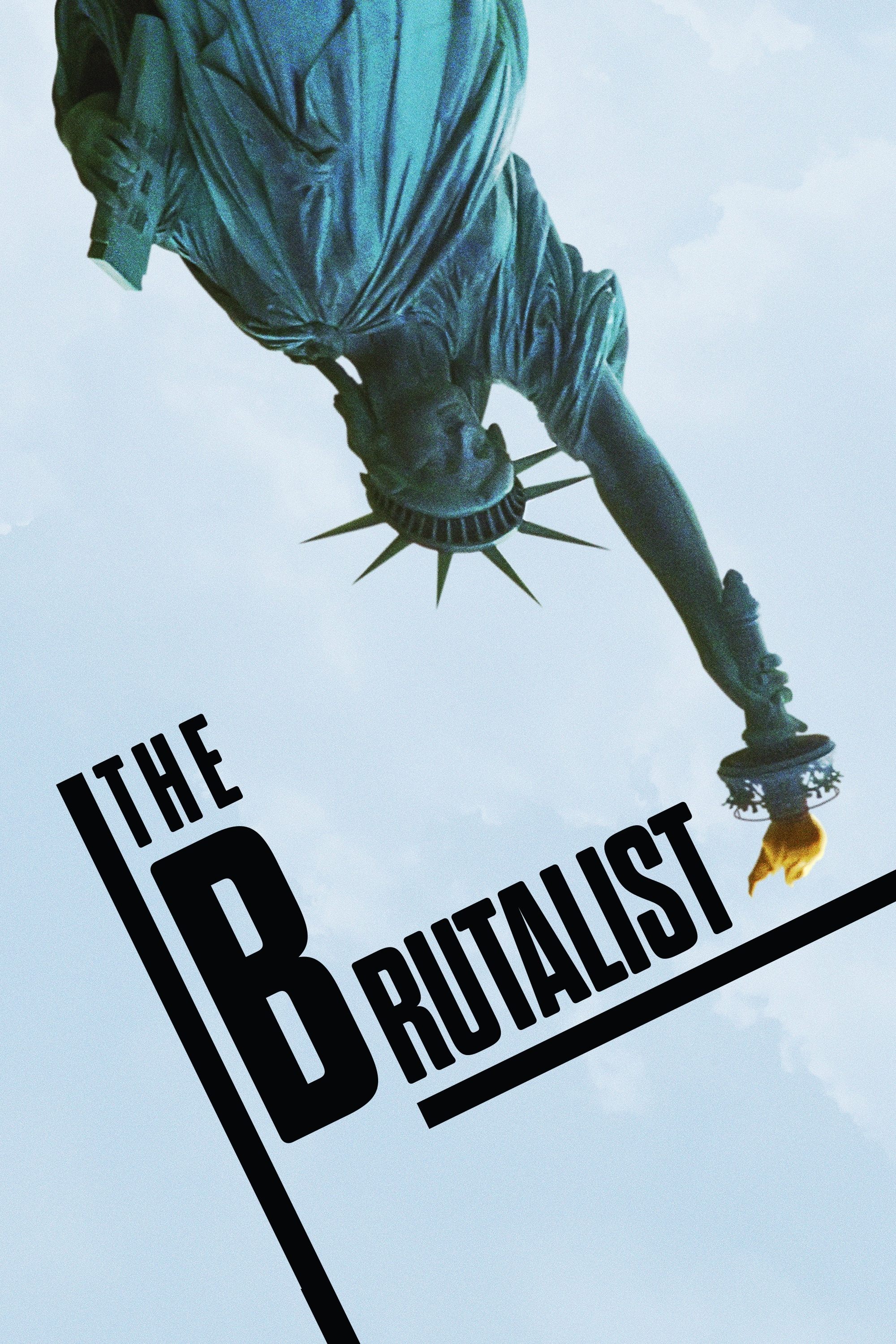
László Tóth (played by Adrien Brody) is a protagonist in The Brutalist.
Harry Lee (played by Joe Alwyn) appears in The Brutalist.
Audrey (played by Emma Laird) appears in The Brutalist.
Zsófia (played by Raffey Cassidy) appears in The Brutalist.
Gordon (played by Isaach de Bankolé) appears in The Brutalist.
Attila (played by Alessandro Nivola) appears in The Brutalist.
Binyamin (played by Benett Vilmányi) appears in The Brutalist.
The Brutalist (2024) character relationship network mapped with AI analysis. Explore the connections, alliances, and conflicts between characters.
Characters
László Tóth
(played by Adrien Brody) — protagonist
Harry Lee
(played by Joe Alwyn) — supporting
Audrey
(played by Emma Laird) — supporting
Zsófia
(played by Raffey Cassidy) — supporting
Gordon
(played by Isaach de Bankolé) — supporting
Attila
(played by Alessandro Nivola) — supporting
Binyamin
(played by Benett Vilmányi) — minor
Canonical Relationships
Family, romantic, and professional connections based on plot evidence.
László Tóth → Harry Lee
(Professional Project Collaborator)
Harry approaches László about renovating a library as a surprise for his father.
Zsófia → Binyamin
(Family Spouse)
Zsófia is expecting a child with her husband, Binyamin.
Attila → Audrey
(Family Spouse)
Attila's wife Audrey is present during the party and later remains part of his household.
László Tóth → Zsófia
(Family Uncle)
The plot identifies Zsófia as László's orphaned niece, and they reunite in Philadelphia.
László Tóth → Attila
(Family Cousin)
László travels to Philadelphia and stays with his cousin, Attila.
Story Dynamics
Alliances, conflicts, and narrative interactions that evolve throughout the story.
László Tóth → Audrey
(Social Acquaintance)
Audrey encourages László to dance with her during a drunken night of merriment.
László Tóth → Gordon
(Social Friend)
László lives in charity housing with Gordon, described as his friend and a single father.
Story Analysis
A traumatized architect struggles between artistic autonomy, social exclusion, family responsibility, and the transformation of memory into monumental architecture.