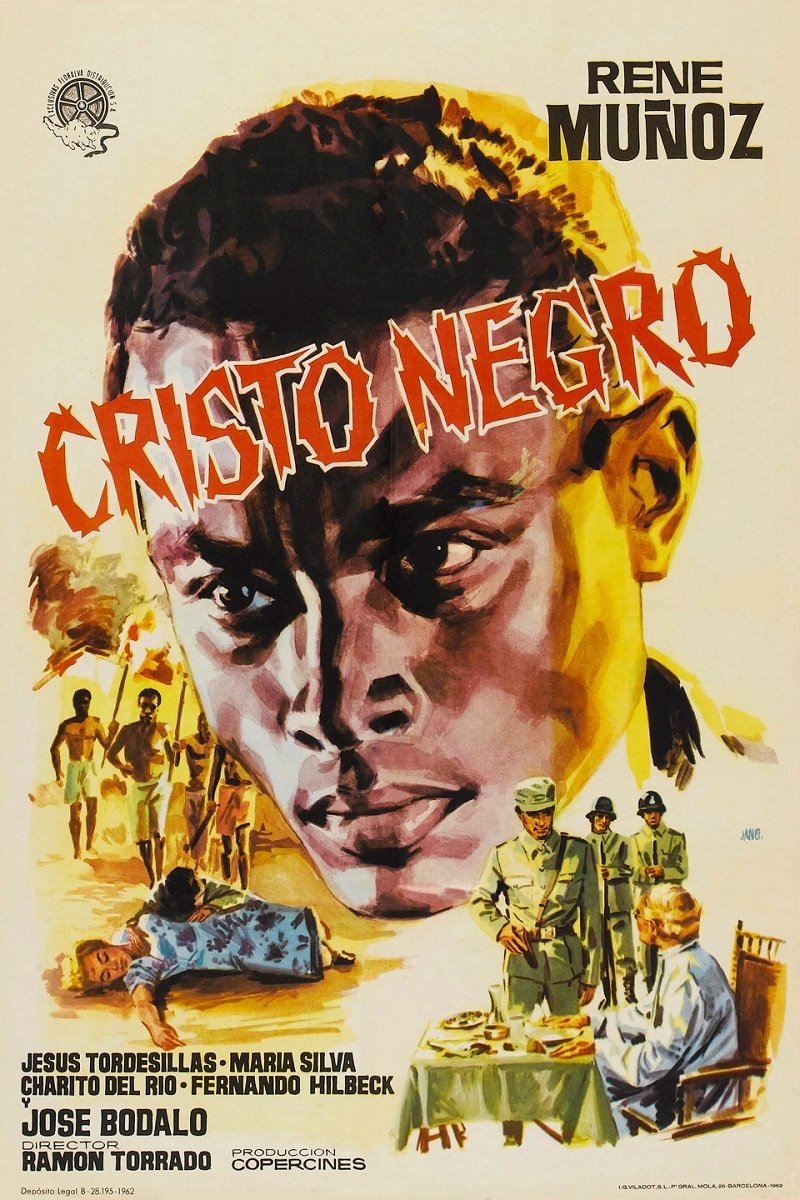
Story Structure — 4 Plot Phases
An Orphan at the Mission
Mikoa loses his father through assassination and is raised at a mission. He is baptized under the name Martín, establishing the religious foundation of his life.
Key Events
-
Mikoa's Early Childhood — Mikoa is introduced as a young Black boy. Characters: Mikoa / Martín
Location: Unspecified setting
-
His Father's Assassination — Mikoa's father is assassinated, changing the course of his childhood. Characters: Mikoa / Martín
Location: Unspecified setting
-
Mission Upbringing — After the killing, Mikoa is raised at a mission. Characters: Mikoa / Martín
Location: The mission
-
Baptized as Martín — Mikoa is baptized and receives the name Martín. Characters: Mikoa / Martín
Location: The mission
-
Childhood Friendship — Mikoa maintains a friendship with a white girl from his childhood. Characters: Mikoa / Martín
Location: Unspecified setting
Love Across the Divide
Mikoa grows close to a white childhood friend and falls in love with her. Her connection to the landowner Janson places the relationship within a divided social environment.
Key Events
-
Love Develops — Mikoa falls in love with his childhood friend. Characters: Mikoa / Martín
Location: Unspecified setting
-
The Landowner's Family — The childhood friend is identified as the daughter of the landowner Janson. Characters: Mikoa / Martín, Mary Janson
Location: The landowner's estate
-
A Walk Together — Mikoa walks with his childhood friend before encountering his past. Characters: Mikoa / Martín
Location: A road
-
The Killer Reappears — Mikoa recognizes the person who assassinated his father. Characters: Mikoa / Martín
Location: A road
-
Memory of the Murder — The encounter reconnects Mikoa with the trauma of his father's death. Characters: Mikoa / Martín
Location: Unspecified setting
Violence and Moral Restraint
Mikoa encounters the person who killed his father and is later attacked during a celebration. Although he wants to defend himself, religious teaching forbids him from answering violence with violence.
Key Events
-
The Public Celebration — A public celebration brings Mikoa into a tense social setting. Characters: Mikoa / Martín
Location: A celebration
-
Confrontation at the Feast — The man responsible for the murder attacks Mikoa during the celebration. Characters: Mikoa / Martín
Location: A celebration
-
Impulse to Defend Himself — Mikoa intends to defend himself against the attack. Characters: Mikoa / Martín
Location: A celebration
-
Religious Prohibition — Mikoa remembers that God's law forbids violence. Characters: Mikoa / Martín
Location: A celebration
-
Choosing Nonviolence — Mikoa restrains his violent response because of his religious conviction. Characters: Mikoa / Martín
Location: A celebration
Teaching and Martyrdom
Mikoa becomes a teacher to help his fellow Black people. During an indigenous revolt, he dies as a martyr, completing his path from orphaned child to self-sacrificing leader.
Key Events
-
Becoming a Teacher — Mikoa becomes a teacher after choosing service over retaliation. Characters: Mikoa / Martín
Location: A school
-
Serving His People — He teaches to help his fellow Black people. Characters: Mikoa / Martín
Location: A school
-
Indigenous Revolt Begins — An indigenous revolt provides the setting for Mikoa's final sacrifice. Characters: Mikoa / Martín
Location: An indigenous community
-
Mikoa Faces the Revolt — Mikoa becomes involved in the revolt of the indigenous people. Characters: Mikoa / Martín
Location: An indigenous community
-
Martyrdom — Mikoa dies as a martyr during the indigenous revolt. Characters: Mikoa / Martín
Location: An indigenous community