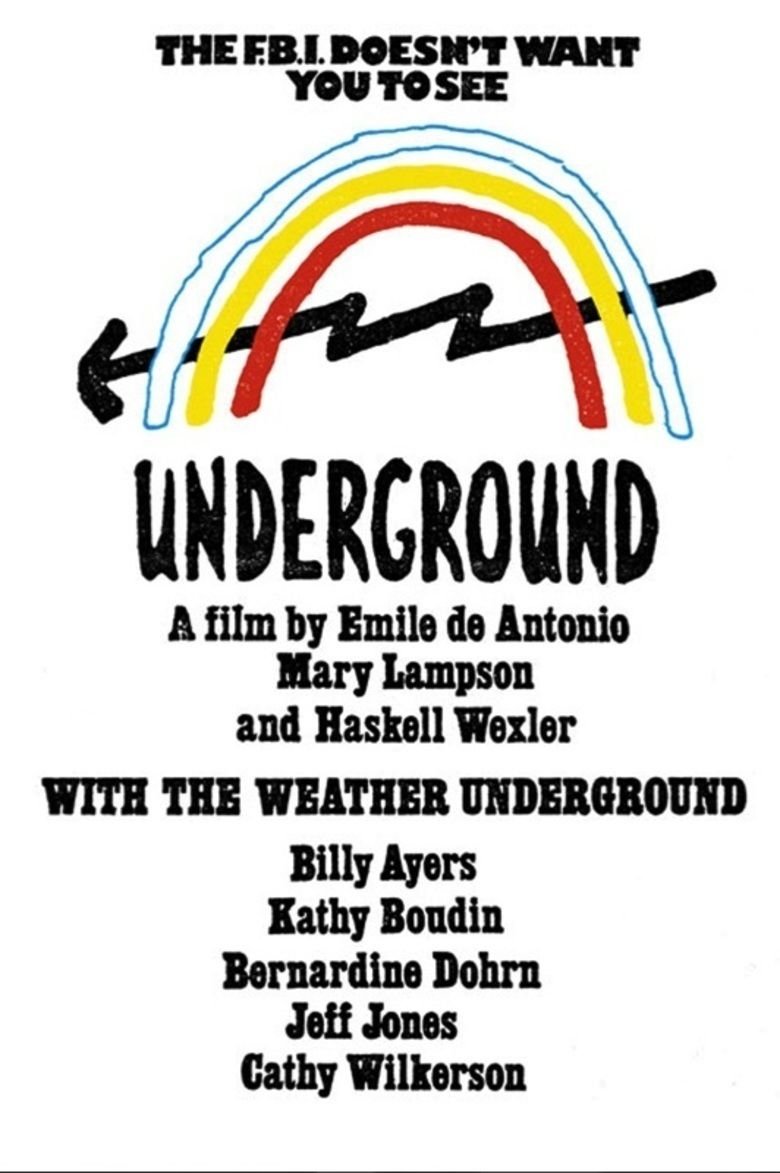
Plot Analysis Summary
A documentary exploration of the Weather Underground's radicalization, militant tactics, and underground existence through interviews and archival footage.
Story Structure — 4 Plot Phases
Radicalization Origins
The documentary opens with archival footage and interviews detailing how middle-class Americans became involved in the civil rights and anti-war movements. Subjects reflect on their early political awakening and initial exposure to global revolutionary struggles.
Key Events
-
Archival Footage Introduction — Documentary opens with historical clips of 1960s movements.
Location: Historical Archive
-
Civil Rights Radicalization — Subjects discuss early involvement in civil rights activism.
Location: University Campus
-
Anti-War Movement Engagement — Group members reflect on opposing the Vietnam War.
Location: Public Square
Ideological Deepening
The narrative shifts to the group's analysis of American society, exploring their inspirations from Cuba, Russia, and China. Members discuss domestic solidarity with Native American rights and labor issues, solidifying their militant worldview.
Key Events
-
Anti-War Movement Engagement — Group members reflect on opposing the Vietnam War.
Location: Public Square
-
International Revolutionary Inspiration — Discussion of communist struggles in Cuba, Russia, and China.
Location: Interview Room
-
Native American & Labor Solidarity — Exploration of domestic struggles and solidarity movements.
Location: Community Hall
-
Labor Issue Integration — Connecting domestic labor fights to broader revolutionary goals.
Location: Factory Floor
-
Cuba & China Influence — Analyzing successful overseas communist revolutions.
Location: Study Room
Militant Turn & Underground Life
The group transitions from protest to property destruction and armed confrontation doctrines. Living as underground fugitives, they maintain a strong collective identity while evading state capture and discussing their destabilization tactics.
Key Events
-
Societal Analysis & Ideological Formation — Members articulate their critique of American society.
Location: Safe House
-
Tactical Debate & Militancy — Discussion on shifting from protest to militant action.
Location: Underground Bunker
-
Property Destruction Strategy — Group decides on property destruction to destabilize the system.
Location: Planning Room
Filming Dynamics & Legacy
The filmmakers document the subjects' discomfort with being filmed and their isolation from mainstream society. The conclusion raises profound questions about the merits of their struggle and the future of radical political action in America.
Key Events
-
Property Destruction Strategy — Group decides on property destruction to destabilize the system.
Location: Planning Room
-
Armed Confrontation Doctrine — Declaration that revolution requires armed state confrontation.
Location: Secure Location
-
Bombing Operations Execution — Reference to undertaken bombing actions against corrupt systems.
Location: Urban Infrastructure
-
Underground Fugitive Status — Members live in hiding, avoiding specific bombing details.
Location: Hidden Residence
-
Filming Discomfort & Isolation — Subjects express unease with being documented while underground.
Location: Interview Set
-
Collective Identity Reinforcement — Strong internal bonds persist despite external isolation.
Location: Group Meeting
-
Filmmaker Motive Contrast — Documentarians maintain neutral stance, differing from subjects.
Location: Production Office
-
Middle-Class to Revolutionary Shift — Reflection on how privileged backgrounds fueled militancy.
Location: Historical Review
-
Political Structure Questioning — Raising doubts about USA's political and cultural foundations.
Location: Final Interview
-
Future Radical Action Debate — Speculation on upcoming radical movements and strategies.
Location: Open Space
-
Documentary Conclusion — Film ends with unresolved questions on struggle and society.
Location: Screening Room
-
State System Destabilization Goal — Focusing on weakening the corrupt American establishment.
Location: Strategy Table
-
Unstable Fugitive Reality — Living in constant danger shapes their communication style.
Location: Safe House