Plot Analysis Summary
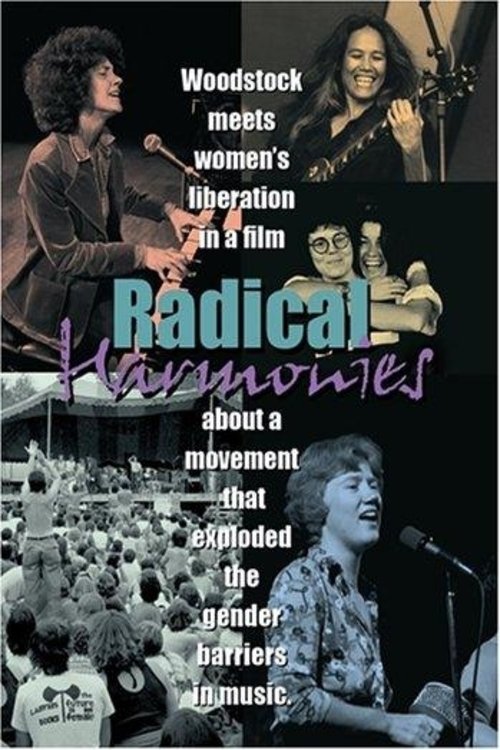
A chronological and thematic exploration of the women's music movement's origins, industry building, activism, and generational evolution.
Story Structure — 4 Plot Phases
Foundations and Historical Roots
The documentary opens by defining women's music and situating it within the broader context of 1960s and 1970s social movements. Founders and early artists discuss the sexism and homophobia that shaped the movement's early struggles.
Key Events
-
Opening Definition Interviews — Participants answer what women's music is, establishing no single definition exists.
Location: Interview Studio
-
Historical Context Link — Film links the movement to 1960s/70s feminism, civil rights, and labor movements.
Location: Documentary Archive
-
Sexism in Music Industry — Discussion of sexism pervading the male-dominated 1970s music industry.
Location: Interview Studio
-
Homophobia Struggle — Movement's struggle with homophobia in society and within feminism.
Location: Interview Studio
Building the Industry Infrastructure
The narrative shifts to the practical establishment of the movement's ecosystem, highlighting the founding of Olivia and Redwood Records. Technical crews and distributors are interviewed, emphasizing the professionalization of women's music.
Key Events
-
Technical Crew Interviews — Interviews with women in sound, lighting, recording, and production.
Location: Interview Studio
-
Olivia and Redwood Records — Documentation of the founding of key independent record labels.
Location: Record Label Offices
-
Festival Origins and Scope — Origins of women's music festivals described as the heart and soul of the movement.
Location: Music Festival Grounds
-
Accessibility Innovations — Introduction of sliding scale tickets, sign language, and wheelchair access.
Location: Festival Venues
Festival Culture and Social Innovation
Women's music festivals are explored as the movement's core, showcasing groundbreaking accessibility measures like sliding-scale pricing and sign language interpreters. The genre expands to include diverse voices and performance styles.
Key Events
-
Genre and Diversity Expansion — Broadening from white guitarists to women of color and diverse genres like jazz and R&B.
Location: Interview Studio
-
Performance Genres Integration — Incorporation of comedy, dance, and theater into women's music events.
Location: Performance Stage
-
Camp Sister Spirit Launch — Terrifying and inspirational tale of launching Camp Sister Spirit.
Location: Ovett, Mississippi
-
Gulf Coast Festival Planning — Efforts to establish the Gulf Coast Women's Festival in Mississippi.
Location: Ovett, Mississippi
Activism, Legacy, and Future Generations
The film covers political activism against homophobia and separatist festival spaces. It concludes with cross-generational dialogues and contemporary performances, highlighting the movement's enduring evolution and radical spirit.
Key Events
-
Anita Bryant Crusade Response — Movement's direct response to mid-1970s anti-gay rights crusades.
Location: Interview Studio
-
Separatist Spaces Discussion — Discussion of women-only spaces and separatism at music festivals.
Location: Interview Studio
-
Younger Generation Interviews — Interviews with a younger, more radical generation of performers.
Location: Interview Studio
-
Archival Performance Footage — Archival clips showing early movement performances and stage presence.
Location: Historical Archives
-
Contemporary Performance Footage — Contemporary clips showcasing evolved punk, rock, and experimental sounds.
Location: Modern Stage
-
Cross-Generational Dialogue — Musicians from different eras engage in direct conversation about legacy.
Location: Panel Stage
-
Movement Legacy Reflection — Reflection on the movement's lasting impact on accessibility and diversity.
Location: Interview Studio
-
Film Conclusion — Final montage celebrating the enduring spirit and future of women's music.
Location: Cinematic Montage