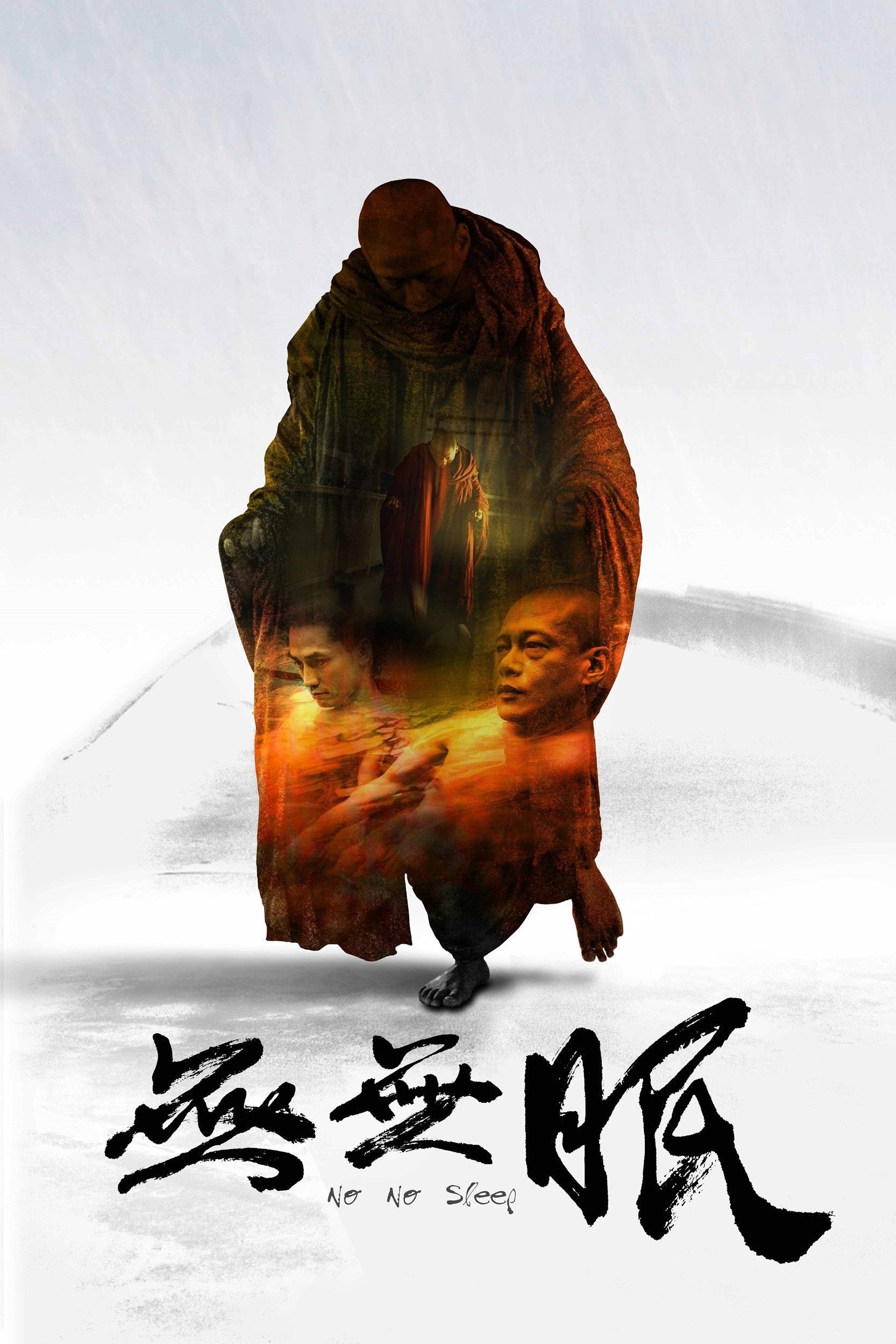
An experimental film exploring urban isolation through static, dialogue-free visual sequences across varied city locations.
The film opens with fixed-camera observations of public transit zones. Train tracks and subway interiors establish a rhythmic, unspoken urban pulse. The static framing forces the viewer to focus on movement and environment rather than narrative.
The setting shifts to a bath-house where steam and quiet figures create a contemplative atmosphere. The absence of dialogue heightens the focus on texture and spatial composition. This segment marks a transition from public to semi-private spaces.
A sleep chamber introduces intimacy and vulnerability through tight, unbroken framing. The camera remains passive, allowing the environment to dictate the emotional weight. This midpoint deepens the film's exploration of isolation.
Nighttime cityscapes and returning transit scenes reflect a quiet shift in mood. The visual rhythm slows as the film approaches its conclusion. The final frames linger on the urban landscape, emphasizing silence and stillness.
Tsai Ming-liang
Rating: 5.9/10 (13 votes)
Plot analysis generated from content on Wikipedia, licensed under CC BY-SA 4.0.
Related entry on Wikidata (Q22099936), public domain (CC0).