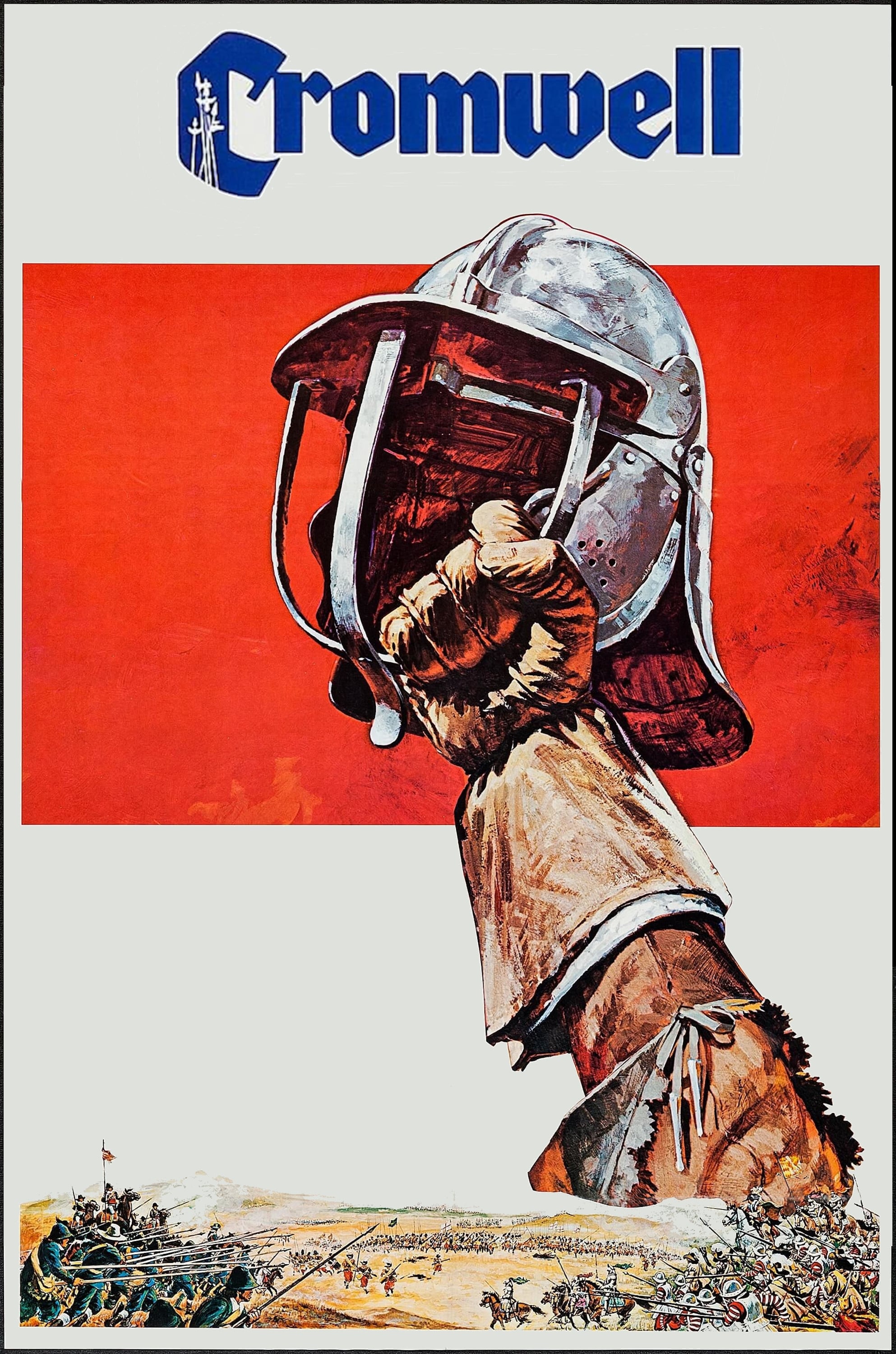
Cromwell (1970) character relationship network mapped with AI analysis. Explore the connections, alliances, and conflicts between characters.
Characters
Oliver Cromwell
(played by Richard Harris) — protagonist
Oliver Cromwell is the film’s central figure: a devout Puritan, country squire, magistrate, former Member of Parliament, and Parliamentary cavalry officer. He helps create the New Model Army, defeats...
King Charles I
(played by Alec Guinness) — protagonist
King Charles I is the monarch whose belief in the divine right of kings drives the conflict. He resists parliamentary reforms, attempts to arrest members of Parliament, supports the war against Parlia...
Henry Ireton
(played by Michael Jayston) — minor
Henry Ireton is Oliver Cromwell’s radical colleague among the Parliamentarians. After Charles’s execution and Cromwell’s withdrawal to his estate, Ireton and other Parliamentarians ask Cromwell to bec...
Prince Rupert
(played by Timothy Dalton) — supporting
Prince Rupert is King Charles I’s fervent supporter and nephew, serving the royal cause during the civil war. After failing to hold the port of Bristol, he is banished from the king’s headquarters at...
Hugh Peters
(played by Patrick Magee) — supporting
Canonical Relationships
Family, romantic, and professional connections based on plot evidence.
Oliver Cromwell → Henry Ireton
(Professional Political Colleagues) — They work within the Parliamentarian political movement after the conflict.
Henry Ireton is identified as Cromwell's radical colleague and joins other Parliamentarians in asking Cromwell to become king.
King Charles I → Prince Rupert
(Family Uncle And Nephew) — Their family bond is linked to Rupert's military loyalty to Charles.
Prince Rupert is described as Charles's fervent supporter and nephew.
Story Dynamics
Alliances, conflicts, and narrative interactions that evolve throughout the story.
Hugh Peters → Prince Rupert
(related)
Hugh Peters → Oliver Cromwell
(related)
Henry Ireton → King Charles I
(Conflict Parliamentary Opponents) — Their political positions belong to opposing sides of the constitutional conflict.
Ireton is described as a radical Parliamentarian, while Charles refuses reforms that would give Parliament greater authority.
Oliver Cromwell → King Charles I
(Conflict Political Adversaries) — They represent opposing visions of royal authority and parliamentary government.
Cromwell opposes Charles's policies and later uses Parliament to have him tried for treason. Charles refuses Cromwell's demands for a government in wh...
Story Analysis
A Puritan politician and soldier helps overthrow a king, only to inherit the authoritarian power he opposed.
Plot Progression
A Country Divided
— Cromwell is dissatisfied with Charles's religious and land policies and plans to leave for the New World. Political pressure persuades him to remain in England.
The Crown Challenges Parliament
— Charles summons Parliament for money but refuses reforms that would limit royal authority. His attempt to arrest five members turns political tension into open war.
The Army Finds Its Strength
— Parliamentary forces fail at Edgehill, prompting Cromwell to help create the New Model Army. Discipline and cavalry then produce a decisive victory at Naseby, though Cromwell suffers a personal loss.
The King Is Cornered
— Royalist setbacks at Bristol and Oxford leave Charles increasingly isolated. His effort to obtain foreign support fails, and the king is finally defeated.
A Republic Becomes A Protectorate
— Charles is tried and executed, but Cromwell finds no joy in the result. When Parliament proves self-serving, troops remove its members and Cromwell assumes dominant political authority.